
Beautiful Plants For Your Interior
Beautiful Plants For Your Interior
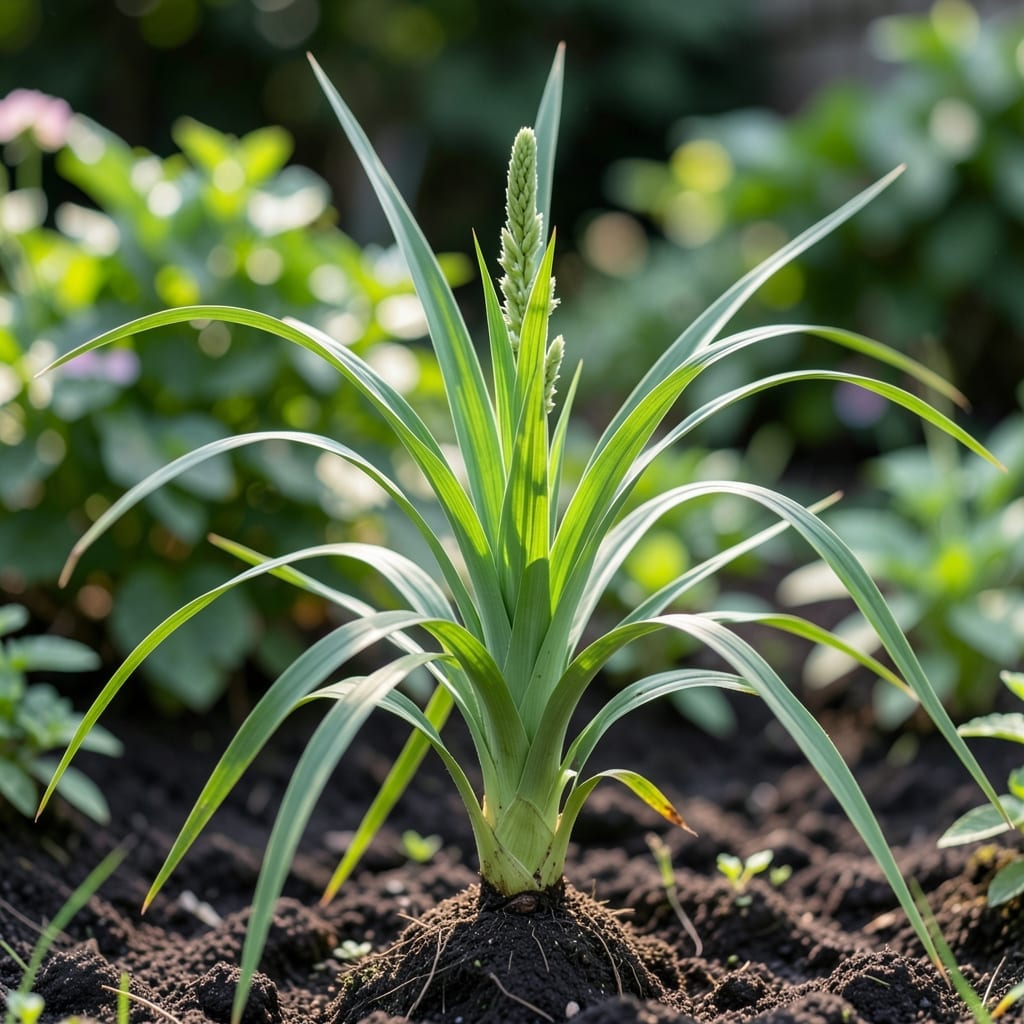
If you’re eager to harvest fresh 🌿 Lemongrass for cooking or tea, knowing its growth speed is key. This tropical plant thrives with the right care, but its timeline from sprout to stalk might surprise you.
While many herbs take months to mature, Lemongrass can reach harvest size in as little as 60 days. The difference often comes down to simple factors you can control.
Discover how to optimize conditions for the fastest growth, and you’ll be enjoying homegrown stalks sooner than you think.


If you’re growing lemongrass from seed or starter plants, understanding its growth stages helps set realistic expectations. This tropical grass isn’t the fastest grower, but with proper care, it can surprise you with its vigor.
Under ideal conditions, lemongrass typically reaches harvestable size in about 60-90 days. The timeline varies based on your starting point and growing environment.
| Stage | Timeframe | Key Development |
|---|---|---|
| Germination | 7-21 days | Sprouts emerge from soil |
| Seedling | 3-4 weeks | Leaves form, roots establish |
| Early Growth | 6-8 weeks | Stalks begin thickening |
| Maturity | 12-14 weeks | Stalks reach 12-18 inches |
| Full Harvest | 16-20 weeks | Thick, aromatic stalks |
Starting from seeds adds about 2-3 weeks to your timeline compared to using nursery plants. The germination period alone can take up to 3 weeks in cooler conditions.
Once sprouted, lemongrass enters a rapid growth phase. In warm climates, you might notice visible daily growth during the summer months. Each stalk can grow 1-2 inches per week under optimal conditions.
By the 8-week mark, your plants should have multiple stalks and be about 12 inches tall. This is when the characteristic citrus aroma becomes noticeable when you crush the leaves.
The final push to harvest readiness happens between 12-16 weeks. Look for thick, firm stalks that are at least 1/2 inch wide at the base. This is when the flavor is most concentrated.
In tropical zones, lemongrass can continue growing year-round, reaching heights of 5 feet or more. In cooler areas, growth slows significantly as temperatures drop below 50°F.
Remember that container-grown lemongrass might grow slightly slower than in-ground plants due to root restriction. However, it’s still possible to achieve good yields in pots with proper care.
For the fastest growth, I recommend starting with nursery plants and providing consistent warmth. This can shave 2-3 weeks off your total timeline compared to seed-started plants.
To maximize your lemongrass growth rate, you need to understand what conditions help it thrive. This tropical plant responds dramatically to its environment, and small changes can shave weeks off your timeline.
From my experience, the biggest growth booster is consistent warmth. Lemongrass loves temperatures between 70-85°F and will grow noticeably faster in these conditions.
I’ve found that container-grown lemongrass often grows slower than in-ground plants due to root restriction. If you’re using pots, choose ones at least 12 inches deep for best results.
Watering consistency is another critical factor. Lemongrass doesn’t tolerate drought well, but it also hates wet feet. I recommend checking soil moisture daily during hot spells.
The sunlight factor can’t be overstated. Plants in full sun can grow up to 50% faster than those in partial shade. If your garden doesn’t get enough light, consider supplementing with grow lights.
Finally, fertilization timing matters. I apply a balanced fertilizer in early morning every 4-6 weeks. This gives the plant a steady nutrient supply without overwhelming it.
Remember that wind protection helps too. Strong winds can damage tender new growth, so consider planting near a fence or using windbreaks in exposed areas.
In my garden, I’ve seen the most dramatic growth when all these factors align: warm temps, good soil, consistent water, full sun, and regular feeding. It’s amazing how quickly lemongrass can transform from a small clump to a 3-foot tall plant under ideal conditions.