
Beautiful Plants For Your Interior
Beautiful Plants For Your Interior
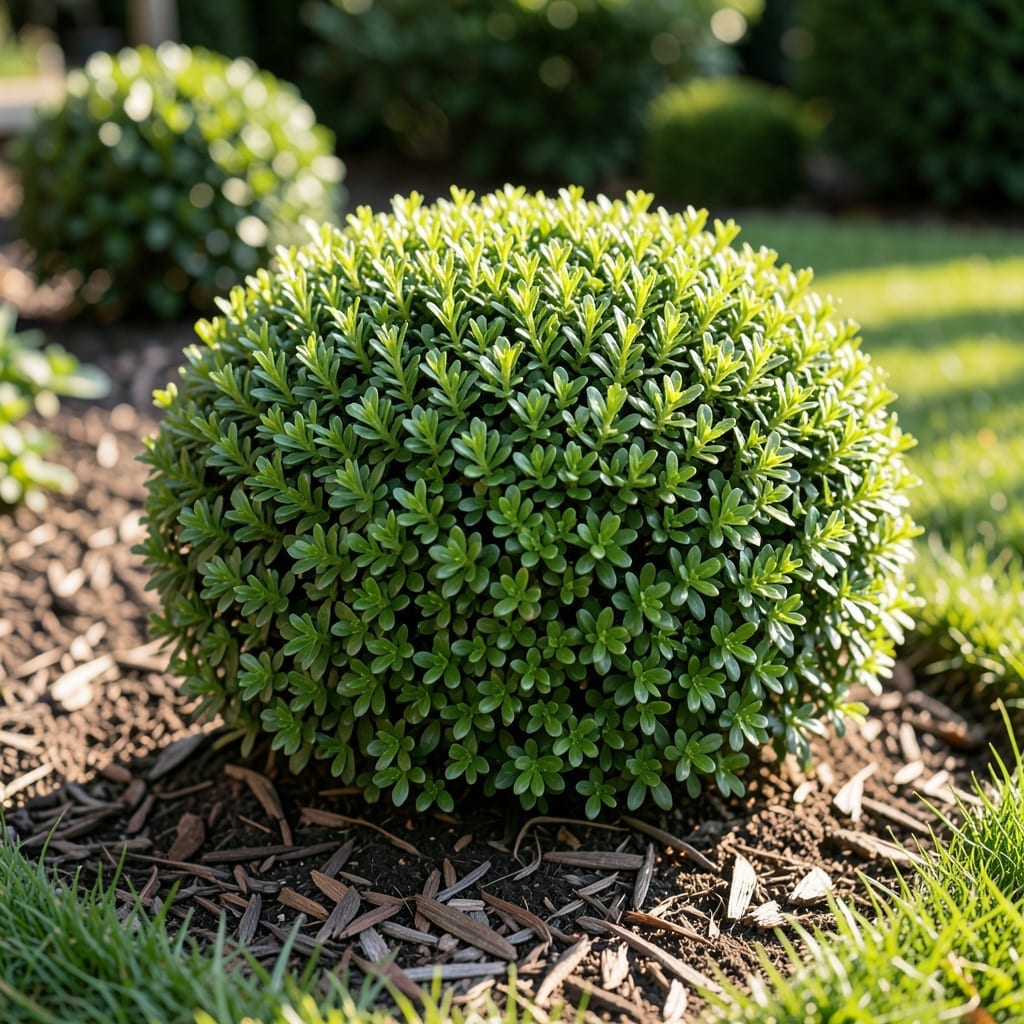
Those tiny green spheres on your plants aren’t decorative—they’re trying to tell you something. I’ve seen them on leaves, stems, and even roots, and each location points to a different cause.
Sometimes they’re harmless seed pods maturing for next season. Other times, they’re galls from insects laying eggs or a plant’s defensive reaction to stress. The key is knowing which is which before you act.
Left unchecked, problematic small green growths can spread or weaken your plant. But with the right approach, you can stop damage and even prevent it from happening again.
Here’s how to identify what you’re dealing with and fix it for good.
Understanding why your plant develops small green balls can help you address the issue effectively. These formations often signal specific biological or environmental triggers. Below are the most common causes, explained scientifically.
Auxins are plant hormones that regulate growth. When a plant produces excess auxins, it can lead to abnormal growths like small green balls, often called galls. This overproduction may result from:
Actionable tip: Ensure stable growing conditions to minimize stress-induced auxin spikes.
Insects such as aphids, mites, or gall wasps inject chemicals into plant tissues, forcing the plant to form protective structures—those small green balls. These are galls, which house and feed the pests.
Actionable tip: Inspect plants regularly and use neem oil or insecticidal soap to deter pests.
Pathogens like Agrobacterium tumefaciens (crown gall bacteria) or certain fungi can infect plants, causing uncontrolled cell division. This results in tumor-like growths, including small green balls.
Actionable tip: Remove infected parts immediately and sterilize tools to prevent spread. Use copper-based fungicides as a preventive measure.
Not all small green balls are problematic! Some plants, like Euphorbia or Crassula, naturally produce small, ball-like growths as part of their reproductive or storage systems. These are often:
Actionable tip: Research your plant species to confirm if the growths are normal.
If your plant is producing small green balls, it’s usually a sign of stress or improper care. Here’s how to troubleshoot the most common causes and restore healthy growth.
Yellowing leaves or mushy stems often mean too much water. Fix: Let the top 1-2 inches of soil dry out before watering again. Use a well-draining pot and ensure excess water can escape. Prevention tip: 💡 Stick your finger in the soil—if it feels damp, wait a few more days.
Small green balls may appear if the plant isn’t getting enough light. Fix: Relocate it to a south- or west-facing window for 6+ hours of indirect sunlight daily. For low-light homes, supplement with a grow light. Prevention tip: 🎯 Rotate the plant weekly for even exposure.
Weak growth or unusual balls can signal a lack of nutrients. Fix: Use a balanced liquid fertilizer (10-10-10) every 4-6 weeks during growing season. Avoid over-fertilizing, which can burn roots. Prevention tip: ✨ Flush the soil with water every few months to remove salt buildup.
Tiny green balls might be pests like aphids or scale. Fix: Wipe leaves with a damp cloth or spray with neem oil. Isolate the plant to prevent spreading. Prevention tip: 🌡️ Check leaves weekly for early signs of bugs.
With these adjustments, your plant should bounce back and grow normally. Consistency is key—observe changes and tweak care as needed!
Not always. If they’re natural seed pods or bulbils, they’re harmless. But if they’re galls from pests or infections, they can weaken your plant over time.
Check for soft, spongy growths or tiny insects nearby. Pest-related galls often appear in clusters on leaves or stems.
For pest galls, prune affected areas and treat with neem oil. For natural growths, simply leave them be.