
Beautiful Plants For Your Interior
Beautiful Plants For Your Interior
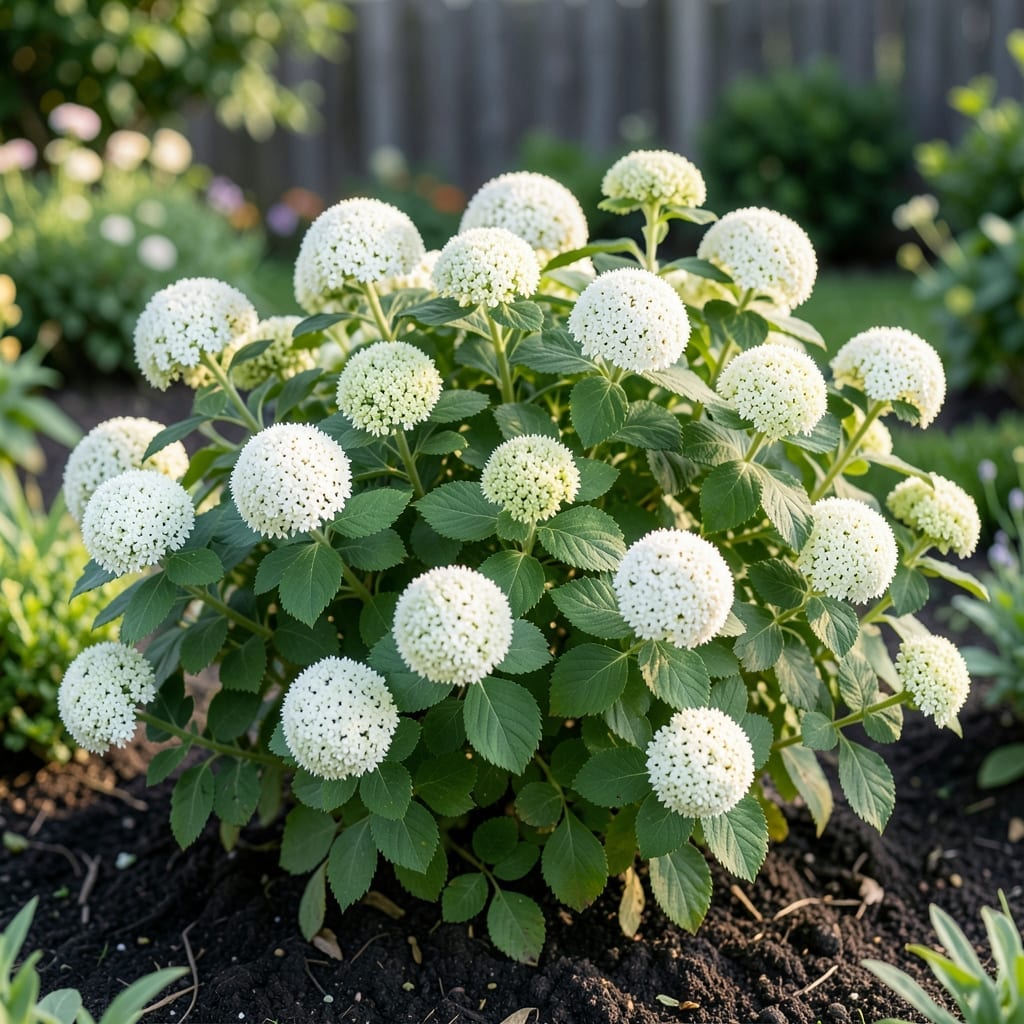
Those green balls in your soil aren’t magic—they’re your garden’s way of asking for help. I’ve dug up my fair share of these puzzling growths, and most are either plant galls, fungal sclerotia, or pest eggs waiting to hatch.
Here’s the thing—most aren’t harmful, but some can spread or impact plant health. The key is identifying whether they’re benign or a sign of trouble. A quick inspection and a bit of knowledge usually reveal the culprit.
You’ll solve this faster than you think. Simple steps like adjusting watering, improving drainage, or introducing beneficial nematodes often clear it up within a few weeks. No fancy equipment needed.
Works for flower beds, vegetable patches, and container gardens alike. Let’s get to the bottom of this.
The appearance of green balls in soil is often tied to natural biological or environmental processes. Below are the most common causes, explained scientifically.
Many greenish spherical formations are fungal structures, such as sclerotia (compact masses of hardened mycelium) or mycorrhizal nodules. These fungi form symbiotic relationships with plant roots, aiding in nutrient absorption. Sclerotia, often green or blue-green due to melanin or other pigments, store nutrients for the fungus during dormancy. If harmless, they may indicate healthy soil microbial activity.
In consistently damp, sunny areas, green algae (e.g., Chlorella or Spirogyra) can clump into ball-like colonies. These thrive in waterlogged or poorly drained soil, often appearing as soft, slimy green spheres. Algae produce chlorophyll, giving them their distinctive color, and their presence may signal excess moisture or organic matter.
In rare cases, green spheres could be mineral concretions, such as malachite (a copper carbonate hydroxide). These form in copper-rich soils through slow geological processes. Unlike biological causes, these are hard, inorganic, and often irregular. A simple test: if the ball doesn’t break apart easily, it’s likely mineral-based.
When you notice green balls in soil, the fix depends on the cause. Here’s a practical guide to tackle each scenario and keep your garden healthy.
If excess moisture is the culprit, stop watering immediately and let the soil dry out. Improve drainage by:
Prevention tip: 💡 Water only when the top inch of soil feels dry. Use well-draining containers for potted plants.
For fungal or algal balls, remove them manually with a spoon or gloved hands. Then:
Prevention tip: ✨ Avoid overcrowding plants and clean garden tools regularly to prevent spore spread.
If green balls are from fertilizer clumps, break them up and mix them into the soil. To prevent recurrence:
Prevention tip: 🎯 Follow the recommended fertilizer dosage—more isn’t always better!
For pest-related green masses (like insect eggs), remove them by hand or with a damp cloth. Then:
Prevention tip: 🌡️ Rotate crops annually to disrupt pest life cycles.
Most are harmless, like fungal sclerotia or mycorrhizal nodules. These often indicate healthy soil. However, if they’re pest eggs or disease-related, they could damage plants over 2-3 weeks.
Fungal balls are soft and break apart easily. Mineral deposits, like malachite, are hard and won’t crumble. Try the crush test: if it resists, it’s likely mineral-based.
If they’re pest eggs or spreading algae, remove them right away. For harmless fungal growth, just monitor. Always wear gloves when handling to avoid skin irritation.