
Beautiful Plants For Your Interior
Beautiful Plants For Your Interior
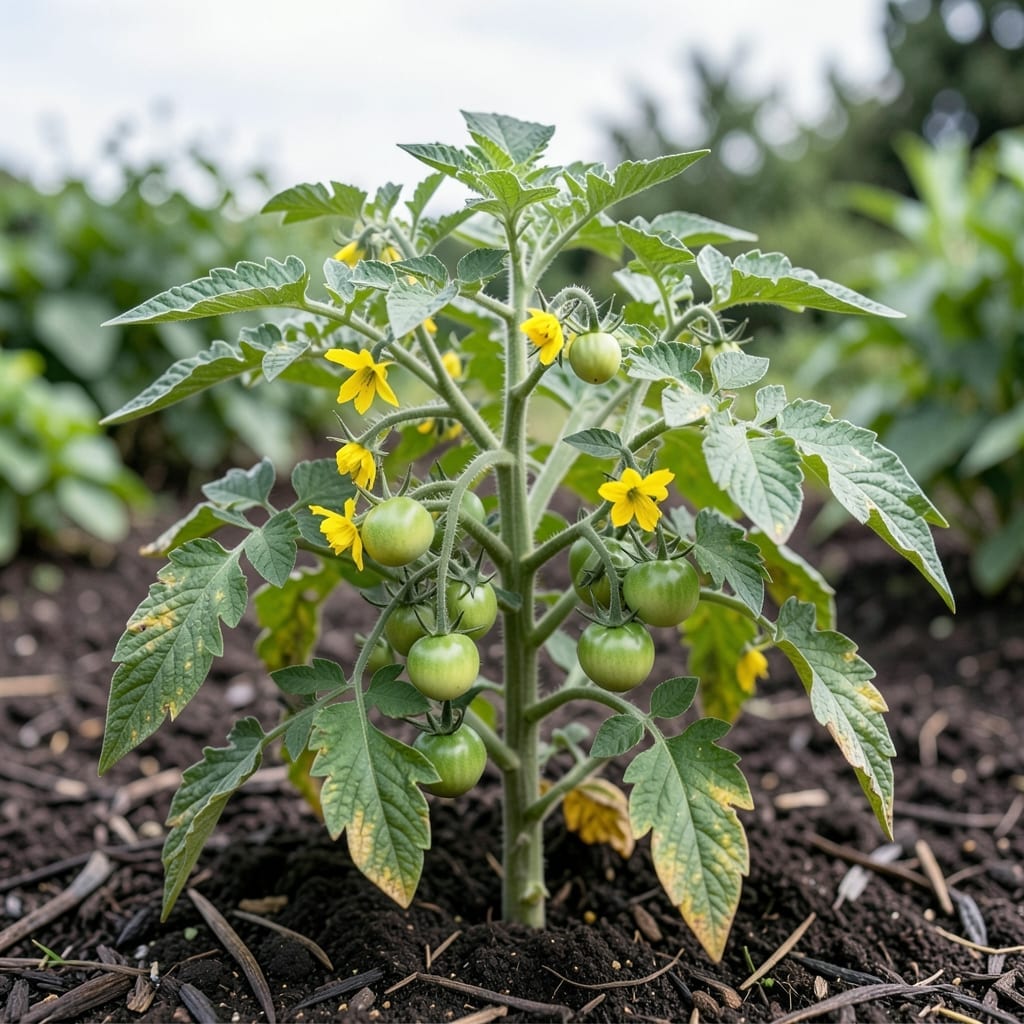
White leaves on your plants aren’t a death sentence. I’ve nursed dozens back from the brink with simple fixes.
Most cases come down to 3 culprits: too much sun scalding the surface, powdery mildew setting up camp, or nutrients getting locked out. The solutions are just as straightforward—once you know what you’re dealing with.
You’ll see new growth return to its vibrant green within 1-2 weeks of treatment. The key is catching it early before the damage spreads.
Works for everything from tomatoes to houseplants. Here’s how to diagnose and fix it fast.
Plant leaves turning white often signals an underlying issue disrupting chlorophyll production or damaging leaf tissue. Below are the most common causes, explained with actionable insights.
Sunburn is a primary culprit, especially in young or tender plants suddenly exposed to intense light. UV radiation breaks down chlorophyll, leading to bleached or white patches. This is common in seedlings or plants moved from shade to full sun without acclimation.
A lack of magnesium or iron can cause chlorosis, where leaves lose their green hue. Magnesium deficiency often starts with yellowing between veins, progressing to white if untreated. Iron deficiency, meanwhile, typically affects newer growth first, turning leaves pale or white.
Sudden temperature drops or frost can damage leaf cells, leading to white, papery patches. This is especially true for tropical plants exposed to near-freezing conditions. The affected areas may feel dry or brittle to the touch.
Diseases like powdery mildew or downy mildew can create white, powdery coatings on leaves, disrupting photosynthesis. Bacterial leaf spot can also cause white or tan lesions. These often spread rapidly in humid, poorly ventilated environments.
Overuse of pesticides, herbicides, or even foliar fertilizers can cause phytotoxicity, leading to white or scorched patches. Always follow dilution instructions and test sprays on a small area first.
If your plant’s leaves are turning white, act fast to restore its health. Below are targeted fixes for common causes, along with prevention tips to keep your greenery thriving.
Fix: Move your plant to a shadier spot immediately. If it’s indoors, pull it back from bright windows or use sheer curtains to diffuse light. For outdoor plants, provide temporary shade with a cloth or relocate to a less intense area. Trim severely damaged leaves to redirect energy to healthy growth.
Prevention: Gradually acclimate plants to brighter light over a week. Use shade cloths for sensitive outdoor plants during peak sun hours (10 AM–4 PM).
Fix: Check the soil—if it’s soggy, stop watering and let it dry out. Repot the plant in fresh, well-draining soil if root rot is suspected. Ensure pots have drainage holes, and empty saucers after watering to prevent waterlogging.
Prevention: Water only when the top inch of soil is dry. Use a moisture meter or stick your finger in the soil to test. Terracotta pots help wick away excess moisture.
Fix: Remove infected leaves with sterilized scissors and dispose of them away from other plants. Apply a copper-based fungicide or neem oil spray to the remaining foliage, following package instructions. Improve airflow around the plant to reduce humidity buildup.
Prevention: Avoid overhead watering—direct water to the soil. Space plants apart for better ventilation, and clean up fallen debris regularly.
Fix: Move indoor plants away from drafts, heaters, or AC vents. For outdoor plants, use mulch to insulate roots from extreme temperatures. If frost is the culprit, cover plants with frost cloth overnight.
Prevention: Keep indoor plants in stable environments (65–75°F). Monitor weather forecasts and protect outdoor plants before temperature swings.
Fix: Test your soil with a kit to identify missing nutrients (e.g., magnesium or iron). Amend the soil with a balanced fertilizer or targeted supplement (like Epsom salt for magnesium). Follow dosage instructions to avoid over-fertilizing.
Prevention: Feed plants with a slow-release fertilizer during the growing season. Rotate plant locations occasionally to prevent soil depletion.
With quick action and consistent care, your plant can bounce back from white leaves and flourish! 🌿
Yes, excessive sunlight often causes white patches by breaking down chlorophyll. Young or suddenly exposed plants are most vulnerable. Move them to shade immediately to prevent further damage.
Deficiencies in magnesium or iron disrupt chlorophyll production, leading to pale or white leaves. Test soil and amend with targeted supplements like Epsom salt.
Avoid overhead watering and improve airflow around plants. Remove infected leaves promptly and use copper-based fungicides if needed. Keep humidity in check.