
Beautiful Plants For Your Interior
Beautiful Plants For Your Interior
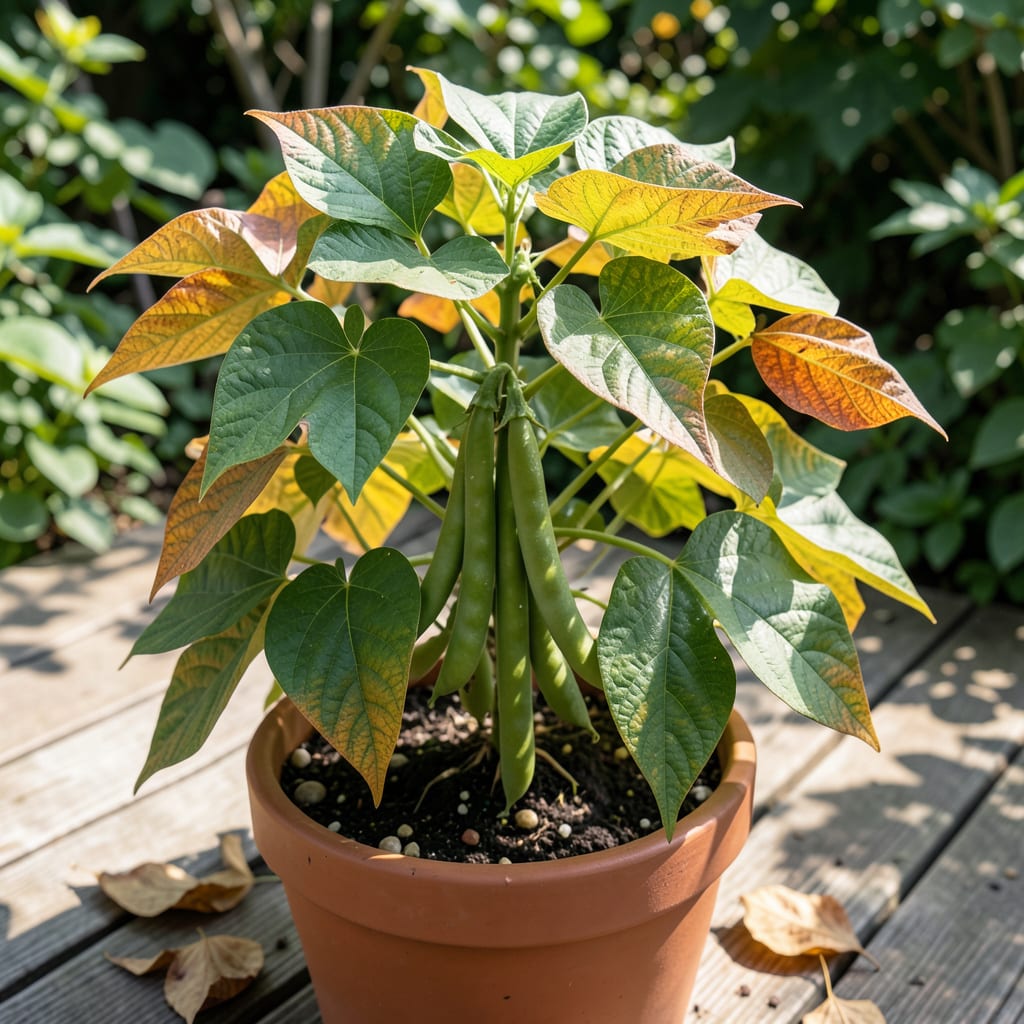
Yellow leaves on bean plants are your garden’s early warning system. I’ve seen this happen overnight—healthy green one day, sad yellow the next. The good news? It’s usually fixable with a quick diagnosis.
Most often, it’s a nutrient issue, usually nitrogen or magnesium. But overwatering, pests, or even too much sun can trigger the same symptom. The key is matching the pattern of yellowing to the right cause.
With the right fix, you’ll see new growth returning to vibrant green within 7-10 days. No fancy equipment needed—just observation and a few simple adjustments.
Works for bush beans, pole beans, and even container-grown varieties. Let’s get to the root of it.
Yellowing leaves on bean plants, or chlorosis, often signal underlying issues disrupting chlorophyll production. Below are the most common causes, backed by science and actionable insights.
Beans are heavy feeders, and deficiencies in key nutrients manifest as yellow leaves. Nitrogen deficiency starts with older leaves turning yellow (uniformly) as the plant redistributes nitrogen to newer growth. Magnesium deficiency causes interveinal chlorosis—yellowing between veins—on older leaves first. Iron deficiency also triggers interveinal chlorosis but affects young leaves first. Test soil (pH 6.0–7.0 is ideal) and amend with compost or targeted fertilizers (e.g., Epsom salt for magnesium).
Excess water suffocates roots, reducing oxygen uptake and nutrient absorption. This leads to root rot (often accompanied by wilting) and generalized yellowing. Check soil moisture 2 inches deep—it should feel like a wrung-out sponge. Ensure pots have drainage holes, and use well-draining soil mixes with perlite or sand.
Beans thrive in full sun (6–8 hours daily). Insufficient light causes pale, yellow leaves as chlorophyll production slows. Conversely, heat stress (above 90°F) or cold snaps (below 50°F) disrupt photosynthesis. Provide shade cloth in extreme heat and use row covers for unexpected cold. Acclimate seedlings gradually to outdoor conditions.
Sap-sucking pests like aphids, spider mites, or whiteflies drain nutrients, causing stippled yellowing or curled leaves. Inspect leaf undersides for webbing (mites) or sticky residue (aphids). Treat with insecticidal soap or neem oil, and introduce beneficial insects like ladybugs.
Pathogens like Fusarium wilt or bacterial blight cause yellowing paired with spots, lesions, or wilting. Fusarium often yellows one side of the plant, while blight creates water-soaked spots. Remove infected plants, rotate crops, and avoid overhead watering. Copper-based fungicides can help prevent bacterial spread.
Yellowing leaves on your bean plants can often be reversed with the right approach. Below are targeted solutions for common causes, along with prevention tips to keep your plants thriving.
Fix: Identify the missing nutrient and amend the soil. For nitrogen deficiency, add compost or a balanced fertilizer. For magnesium, use Epsom salt (1 tablespoon per gallon of water) as a foliar spray. For iron, apply chelated iron or lower soil pH with sulfur.
Prevention: Test soil annually and maintain a balanced fertilizer routine. Rotate crops to avoid depleting specific nutrients.
Fix: Let the soil dry slightly between waterings. If drainage is poor, repot in well-draining soil or add perlite to improve aeration. Trim any black, mushy roots to prevent rot.
Prevention: Use containers with drainage holes and water only when the top inch of soil feels dry. Pro tip: 🌱 Mulch helps retain moisture without waterlogging.
Fix: Move potted beans to a spot with 6–8 hours of sunlight daily. For garden plants, use shade cloth during peak afternoon heat if leaves scorch, or relocate to a sunnier area if they’re leggy and pale.
Prevention: Observe your garden’s light patterns and plant beans in an optimal location from the start.
Fix: Spray leaves with neem oil or insecticidal soap to combat aphids, spider mites, or whiteflies. Remove heavily infested leaves by hand and dispose of them far from the garden.
Prevention: Encourage beneficial insects like ladybugs with companion plants (e.g., marigolds). Inspect leaves weekly for early signs of pests.
Fix: For fungal problems (e.g., powdery mildew), apply a copper fungicide and improve air circulation by spacing plants further apart. Remove and destroy infected leaves to stop the spread.
Prevention: Avoid overhead watering—use a soaker hose instead. 💡 Clean garden tools regularly to prevent disease transmission.
Check for soggy soil and a foul smell near the roots. Wilting with yellow leaves often signals root rot from too much water.
Severely damaged leaves won’t recover, but new growth should return to vibrant green within 7-10 days of fixing the issue. Remove badly yellowed leaves to redirect energy.
Dissolve 1 tablespoon Epsom salt in 1 gallon water and spray directly on leaves. Results are often visible within 48 hours.
Yes, aphids and spider mites drain plant sap, causing stippled yellowing. Inspect leaf undersides for tiny bugs or webbing.
