
Beautiful Plants For Your Interior
Beautiful Plants For Your Interior
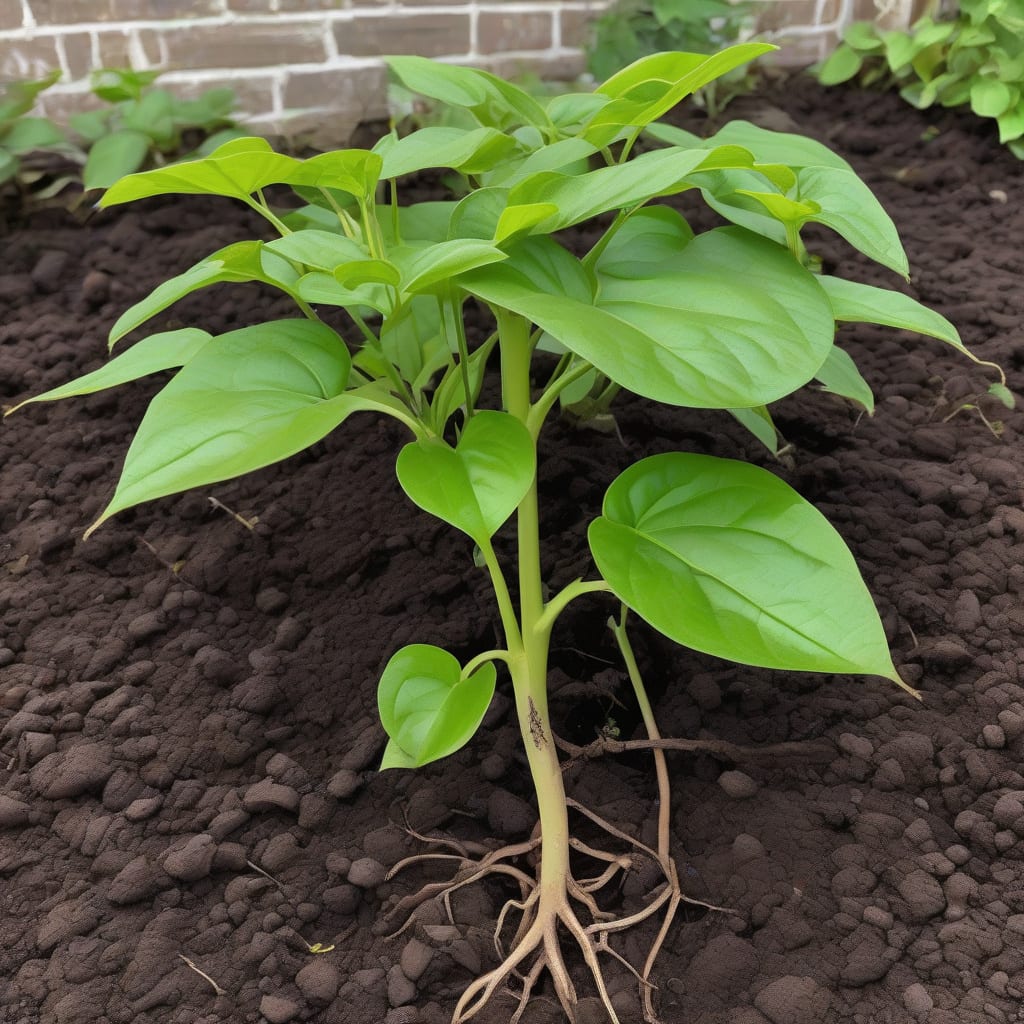
When planning your garden, understanding how tall your Bean 🌱 plants will grow is crucial for maximizing space and harvest. The height of Bean plants can vary significantly based on the variety and growing conditions.
In general, Bean 🌱 plants can grow anywhere from 2 to 6 feet tall, with some varieties requiring support as they climb. Proper planning and support can make all the difference in your garden’s success.

3 ft

2-6 ft

2-6 ft

4-6 ft
Understanding the factors that influence bean plant height is crucial for garden planning. Bean plants can grow anywhere from 2 to 6 feet tall, depending on various factors.
The height of bean plants is primarily determined by their variety, growing conditions, and the support they receive. Different bean varieties have distinct growth habits that affect their height 🌿.
The variety of bean plant is a significant factor in determining its height. Bush beans typically grow to be around 2-3 feet tall, while pole beans can reach heights of 6 feet or more. Understanding the specific needs of your bean variety is key to optimizing its growth 🌱.
Growing conditions also play a critical role in the height of bean plants. Factors such as soil quality, sunlight exposure, and watering practices can all impact how tall your bean plants will grow. Ensuring that your plants receive adequate sunlight and are grown in well-draining soil can help them reach their full potential 🌻.
In addition to variety and growing conditions, the support provided to bean plants can significantly affect their height. Climbing varieties benefit from trellises or stakes that allow them to grow vertically. Without proper support, these plants may not reach their maximum height 🌼.
It’s also important to note that bean plants are generally considered to be medium-sized plants in terms of their height. They can be taller than a garden fence, making them a great choice for adding height and visual interest to your garden 🌿.
By considering these factors and providing the appropriate care and support, you can help your bean plants grow to their full height and enjoy a bountiful harvest 🌼.
Proper planning and understanding of the factors that affect bean plant height can make a significant difference in your gardening success. By choosing the right variety and providing the necessary support, you can maximize your harvest and enjoy healthy, thriving plants 🌻.
In summary, the height of bean plants is influenced by a combination of variety, growing conditions, and support. By understanding and managing these factors, you can optimize the growth of your bean plants and achieve a successful harvest 🌿.
With the right knowledge and care, you can enjoy a thriving bean plant garden that is both productive and visually appealing 🌼.
To help bean plants reach their full height potential, providing proper support is crucial. Bean plants can grow anywhere from 2 to 6 feet tall, and some varieties require additional support as they climb 🌿.
There are several methods to support tall bean plants, including trellising, staking, and using other support structures. The key is to provide a sturdy base for the plants to climb on, allowing them to grow vertically and maximize their height 🌻.
Place a trellis or stake near the bean plants when they are still young, allowing them to grow around the support structure.
Gently twine the bean vines around the trellis or stake, encouraging them to grow upwards.
Regularly check the support structure and adjust as necessary to ensure the bean plants continue to grow upright and healthy 🌼.
By providing the right support, you can help your bean plants reach their maximum height and enjoy a more bountiful harvest. Proper support also helps to keep the plants organized and makes it easier to harvest the beans 🌻.
In addition to trellising and staking, other support methods include using cages or teepees. The key is to provide a sturdy structure that allows the plants to grow vertically and receive adequate sunlight 🌿.
When choosing a support method, consider the specific needs of your bean variety. Some varieties may require more support than others, so it’s essential to understand the growth habits of your plants 🌼.
By combining proper support with good growing conditions, you can optimize the growth of your bean plants and achieve a successful harvest. This includes providing adequate sunlight, watering, and soil quality 🌻.
Growing bean plants can be a rewarding experience, but there are common mistakes that can limit their growth. Understanding these pitfalls is crucial for maximizing your harvest 🌿.
One of the most significant errors gardeners make is poor soil preparation. Bean plants require well-draining soil rich in organic matter to thrive. Failing to prepare the soil properly can lead to stunted growth and reduced yields 🌻.
Avoid overwatering, as it can lead to root rot and other problems. Ensure good air circulation around plants to prevent disease.
Another common mistake is inadequate sunlight exposure. Bean plants require full sun to produce a bountiful harvest. Planting them in shaded areas can result in weak and spindly growth 🌻.
Improper watering practices can also limit bean plant growth. Overwatering can cause root rot, while underwatering can lead to stress and reduced yields. Finding the right balance is key to healthy growth 💧.
By avoiding these common mistakes and providing the right conditions, you can help your bean plants grow to their full potential and enjoy a successful harvest 🌼.
In summary, being aware of the common pitfalls in growing bean plants can significantly improve your gardening success. By preparing the soil properly, ensuring adequate sunlight, and watering correctly, you can maximize your bean plant’s growth and productivity 🌱.
