
Beautiful Plants For Your Interior
Beautiful Plants For Your Interior
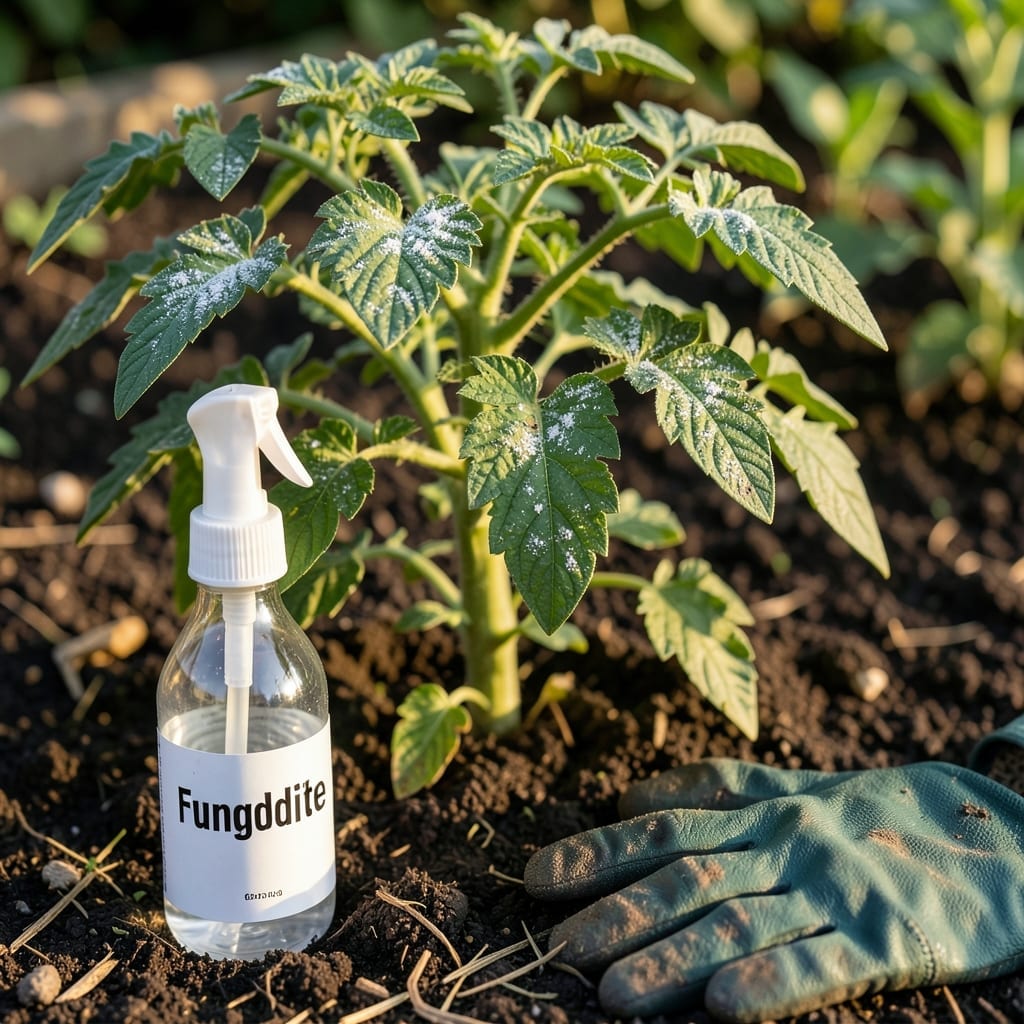
White spots, black mold, or yellowing leaves on your plants? I’ve been there—watching healthy growth turn into a fungal nightmare overnight. The good news is that most plant fungus can be treated with simple, organic solutions.
This isn’t about expensive chemicals or complicated processes. I discovered that baking soda sprays, neem oil, and improved airflow often do the trick. Prevention is even easier with proper watering habits and spacing.
You’ll see results within a week of treatment, with plants bouncing back stronger. The key is catching it early and staying consistent with your approach.
Works for houseplants, garden veggies, and ornamentals alike. Let’s clear up that fungus for good.
Fungal infections in plants are a common issue, but understanding the root causes can help you prevent and treat them effectively. Here are the primary reasons why plant fungus develops:
Fungi thrive in damp environments. Overwatering, poor drainage, or high humidity creates the perfect breeding ground for spores. Wet foliage (especially overnight) accelerates spore germination, leading to diseases like powdery mildew or root rot. Ensure proper airflow and water at the base of plants to keep leaves dry.
Extreme or sudden temperature shifts weaken plant defenses, making them more susceptible to fungal attacks. Cool, wet springs or warm, humid summers are peak times for infections like Botrytis (gray mold). Monitor weather patterns and adjust care routines to stabilize plant conditions.
Crowded plants or dense canopies trap moisture and limit airflow, fostering fungal growth. Prune regularly to improve ventilation, and space plants appropriately to reduce humidity buildup around leaves and stems.
Over-fertilization (especially with nitrogen-heavy mixes) can promote tender, fungus-prone growth. Conversely, potassium or phosphorus deficiencies weaken plant immunity. Use balanced organic fertilizers and soil tests to maintain optimal nutrient levels.
Fungal spores linger on dirty tools, pots, or infected soil. Sterilize pruners with rubbing alcohol and rotate crops to avoid soilborne pathogens like Fusarium or Phytophthora.
By addressing these triggers, you can significantly reduce the risk of fungal outbreaks in your garden.
When your plants show signs of fungal trouble, act fast with these targeted fixes and smart prevention habits.
Soggy soil is a fungus’s favorite home. Stop watering immediately and let the top 1–2 inches of soil dry out. If the pot lacks drainage, repot the plant into fresh, well-draining mix. Add perlite or coarse sand to improve airflow. Prevention: Water only when the topsoil feels dry, and always use pots with drainage holes.
Stagnant air traps moisture and invites spores. Space plants apart so leaves can breathe. Use a small fan on low to keep air moving, especially in humid rooms. Trim dense foliage to open up the center. Prevention: Prune regularly and avoid overcrowding on shelves or windowsills.
Fungus spreads on dirty hands, pots, and tools. Wipe blades with rubbing alcohol between cuts, and wash pots with soapy water before reuse. Remove and discard (don’t compost!) infected leaves. Prevention: Clean tools after each use and avoid working with wet plants.
Stressed plants are more susceptible. Apply a seaweed-based tonic or compost tea to strengthen defenses. Avoid over-fertilizing, which can soften growth. Prevention: Feed lightly and consistently, and rotate plants to ensure even light exposure.
💡 Pro Tip: A weekly spray of 1 tsp baking soda + 1 quart water + a drop of dish soap can deter mild fungal growth—just avoid using it in full sun to prevent leaf burn.
For mild infections, use baking soda spray or neem oil every 5-7 days until symptoms disappear. For severe cases, treat every 3-4 days and monitor closely. Always apply in the evening to avoid leaf burn.
Yes! Common items like baking soda, hydrogen peroxide (3% solution), or apple cider vinegar work well. Mix 1 tbsp baking soda with 1 gallon water and a drop of soap for an effective spray.
Recurring issues often stem from poor airflow, overwatering, or contaminated soil. Ensure proper spacing, use well-draining soil, and sterilize tools between uses to break the cycle.
Prune affected foliage immediately at the first sign of spots or discoloration. Use clean scissors and dispose of leaves in the trash—not compost—to prevent spreading spores.