
Beautiful Plants For Your Interior
Beautiful Plants For Your Interior
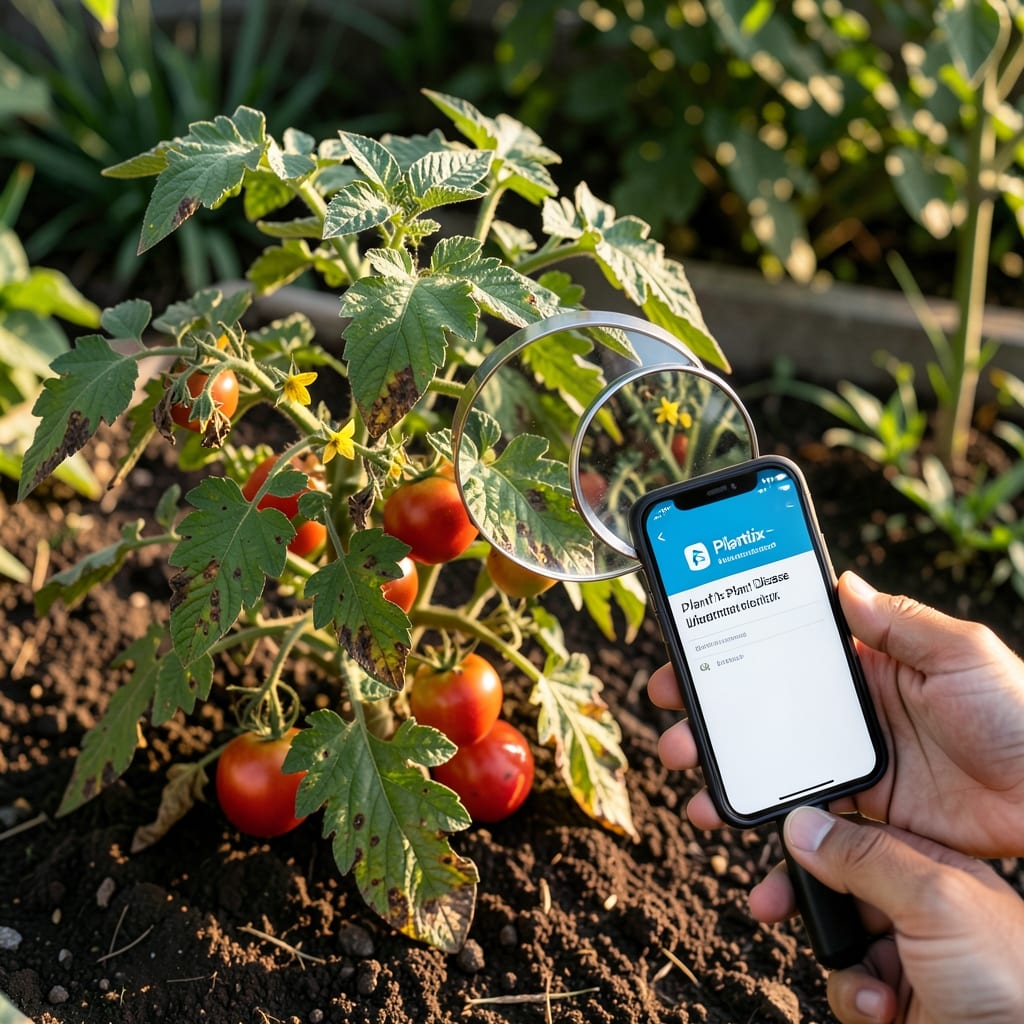
That yellowing leaf isn’t just ugly—it’s a warning. I’ve learned the hard way that catching plant diseases early means the difference between saving your garden and watching it wither.
Most issues show up in the leaves first: spots, discoloration, or weird textures. The key is matching those symptoms to the right problem, then acting fast with natural fixes like neem oil or better air circulation.
You’ll spot trouble before it spreads when you know what healthy plants look like. My rule is simple: inspect leaves weekly, especially the undersides where problems often start.
Works for vegetables, flowers, and houseplants alike. Here’s how to read the signs your plants are sending.
Understanding why plant diseases occur is the first step in prevention. Several key factors contribute to the onset of plant diseases, often working in combination.
Plants under stress from extreme weather, poor soil conditions, or inadequate watering are more susceptible to diseases. Drought, waterlogging, or nutrient deficiencies weaken a plant’s natural defenses, making it easier for pathogens like fungi, bacteria, or viruses to invade. For example, Phytophthora thrives in overly moist soil, while powdery mildew often appears in dry, humid conditions.
Disease-causing organisms such as fungi, bacteria, viruses, and nematodes are primary culprits. Fungal spores can spread through air, water, or contaminated tools, while bacteria often enter through wounds or natural openings in the plant. Viruses, though less common, are typically spread by insect vectors like aphids.
Insects and other pests don’t just damage plants directly—they can also transmit diseases. Aphids, whiteflies, and beetles often carry viral or bacterial pathogens from infected plants to healthy ones. Additionally, their feeding wounds create entry points for secondary infections.
Improper gardening habits, such as overcrowding plants, neglecting sanitation, or using contaminated tools, can spread diseases rapidly. For instance, reusing infected potting soil or failing to rotate crops can lead to recurring outbreaks of soil-borne diseases like fusarium wilt.
Addressing plant diseases early can save your garden. Here’s a practical guide to fixing common issues, with prevention tips to keep your plants thriving.
Spotted or powdery leaves often signal fungal problems like powdery mildew or leaf spot. Start by removing infected leaves to prevent spread. Increase airflow around plants by pruning crowded areas and avoiding overhead watering. Apply a natural fungicide like neem oil or a baking soda solution (1 tsp baking soda, 1 quart water, a few drops of dish soap). Prevention tip: 💡 Space plants properly and water in the morning to allow foliage to dry quickly.
Pests like aphids, spider mites, or whiteflies weaken plants and spread disease. Blast them off with a strong stream of water or wipe leaves with a soapy water solution (1 tsp mild soap per liter of water). Introduce beneficial insects like ladybugs or lacewings to control pests naturally. Prevention tip: 🌡️ Inspect plants regularly and encourage biodiversity to deter pests.
Bacterial diseases, such as bacterial leaf spot, cause dark, water-soaked spots. Prune infected parts immediately and sterilize tools with rubbing alcohol. Apply a copper-based bactericide to protect remaining foliage. Prevention tip: ✨ Avoid working with wet plants, as bacteria spread easily in moist conditions.
Yellowing leaves or stunted growth may indicate a lack of essential nutrients. Test your soil to identify deficiencies, then amend it with compost or organic fertilizers. For example, add Epsom salt for magnesium or bone meal for phosphorus. Prevention tip: 🎯 Rotate crops annually to prevent soil depletion.
Visual tools can be 80-90% accurate when properly used. They compare leaf patterns, colors, and spots against known disease databases. For best results, use multiple clear photos of different plant parts.
Check the undersides of leaves first—this is where most problems start. Look for tiny spots, color changes, or unusual textures. Early detection often means easier treatment.
No, different diseases require different approaches. Fungal issues often need improved airflow and fungicides, while bacterial problems may require copper sprays and pruning. Always match the solution to the specific problem.
Recurring issues usually mean the root cause wasn’t addressed. Common culprits include contaminated soil, poor drainage, or infected tools. Sanitize your workspace and rotate crops to prevent reinfection.