
Beautiful Plants For Your Interior
Beautiful Plants For Your Interior
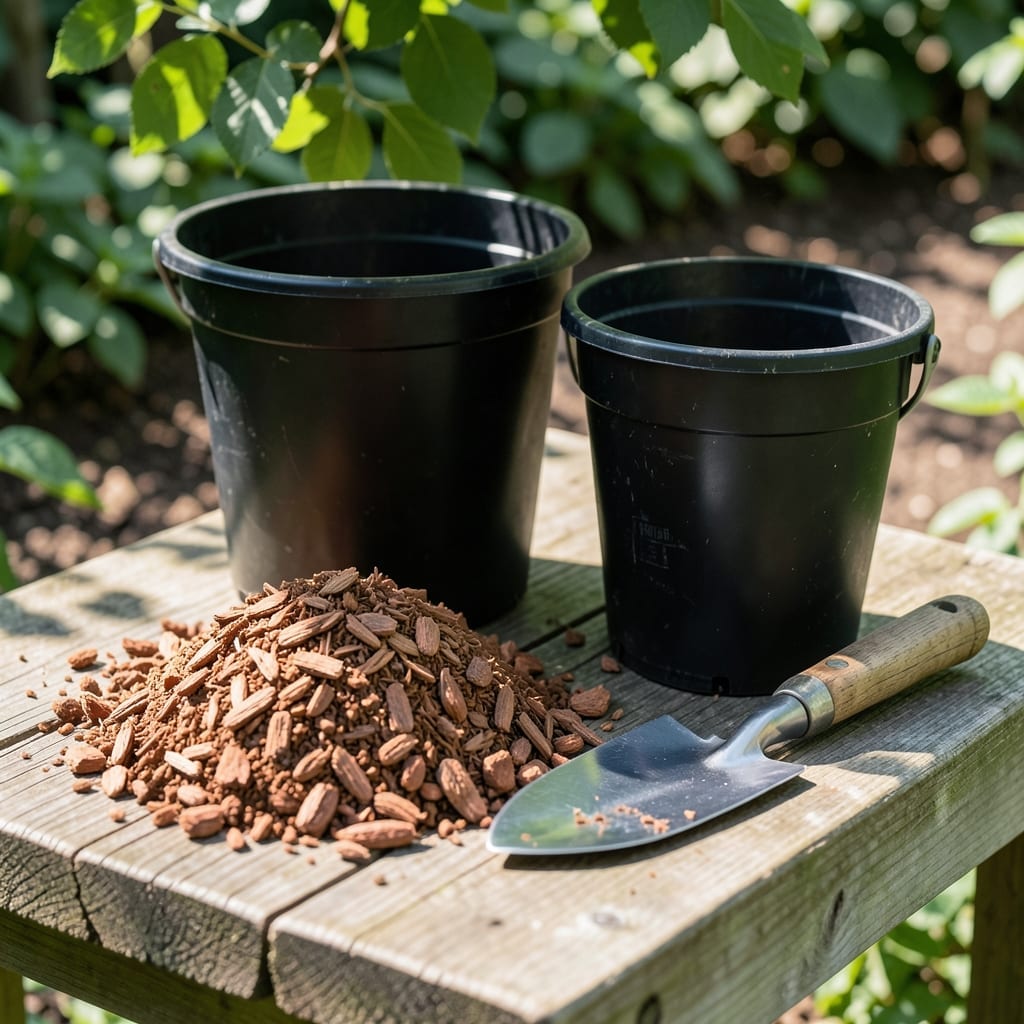
My potting mixes transformed the day I added pine bark fines. Roots now grow deeper, water drains better, and compaction became a thing of the past.
These tiny bark pieces create air pockets that prevent soggy soil while holding just enough moisture. I use a 1:4 ratio with regular mix for most container plants, adjusting for thirsty species.
The difference shows within weeks. Plants establish faster, resist root rot, and the mix stays loose for 2-3 growing seasons before needing refresh.
Works for everything from ferns to vegetables. Here’s how to get the texture right every time.
Understanding why pine bark fines improve potting mix starts with their physical and chemical properties. Here’s a breakdown of the key causes:
Pine bark fines are a byproduct of pine tree decomposition. As pine bark breaks down, it forms small, fibrous particles that retain moisture while allowing excess water to drain. This natural process creates a porous structure, which enhances aeration in the soil. The fines also release organic acids, slightly lowering the pH, which benefits acid-loving plants like azaleas and blueberries.
The irregular shape and size of pine bark fines create macro and micropores in the potting mix. These pores hold water long enough for plant roots to absorb it but allow excess to drain away, preventing waterlogging. This balance is critical for healthy root development and preventing root rot.
When mixed into potting soil, pine bark fines act as a soil conditioner. They loosen compacted soil, improving its structure and making it easier for roots to penetrate. This aeration boosts microbial activity, which further breaks down organic matter, releasing nutrients that plants can absorb.
As pine bark fines decompose, they slowly release essential nutrients like nitrogen, phosphorus, and potassium. This gradual release ensures a steady supply of nutrients, supporting long-term plant health without the risk of over-fertilization.
Using pine bark fines in potting mix can sometimes lead to problems like poor drainage, nutrient deficiency, or compaction. Here’s how to solve them—and prevent them from happening again.
Fix: If your mix retains too much water, blend in perlite or coarse sand (up to 20% of the total volume) to improve airflow and drainage. For existing pots, gently loosen the top layer and mix in extra bark fines to break up compacted areas.
Prevention: Always start with a well-balanced mix—aim for 30-50% pine bark fines, 30% peat or coconut coir, and 20% perlite. 💡 Pro tip: Test drainage by watering a small batch; if water pools on top, adjust the ratio before potting.
Fix: Pine bark fines decompose slowly, which can tie up nitrogen. Counter this by adding a slow-release fertilizer or mixing in compost (10-15%) for a nutrient boost. For immediate relief, use a liquid fertilizer high in nitrogen.
Prevention: Pre-treat bark fines by aging them for 3-6 months or rinsing to remove excess tannins. Always supplement with organic matter like worm castings to maintain fertility.
Fix: If the mix becomes dense, fluff it up with a fork and top-dress with fresh bark fines. For severely compacted pots, repot the plant and refresh the mix entirely.
Prevention: Avoid overwatering, which accelerates compaction. Use a mix with varied particle sizes (e.g., chunkier bark for bottom layers) to maintain structure. ✨ Bonus: Add a handful of charcoal to absorb excess moisture and keep the mix loose.
Start with a 1:4 ratio of fines to potting mix for most plants. For moisture-loving species, reduce to 1:5. Always test drainage before full use.
Yes, but adjust ratios. Acid-loving plants like azaleas thrive, while succulents need extra perlite to prevent water retention.
They typically break down within 2-3 growing seasons. Refresh the top layer annually for best results.
No—fines are too coarse for seeds. Use a finer mix for germination, then add fines when transplanting.