
Beautiful Plants For Your Interior
Beautiful Plants For Your Interior
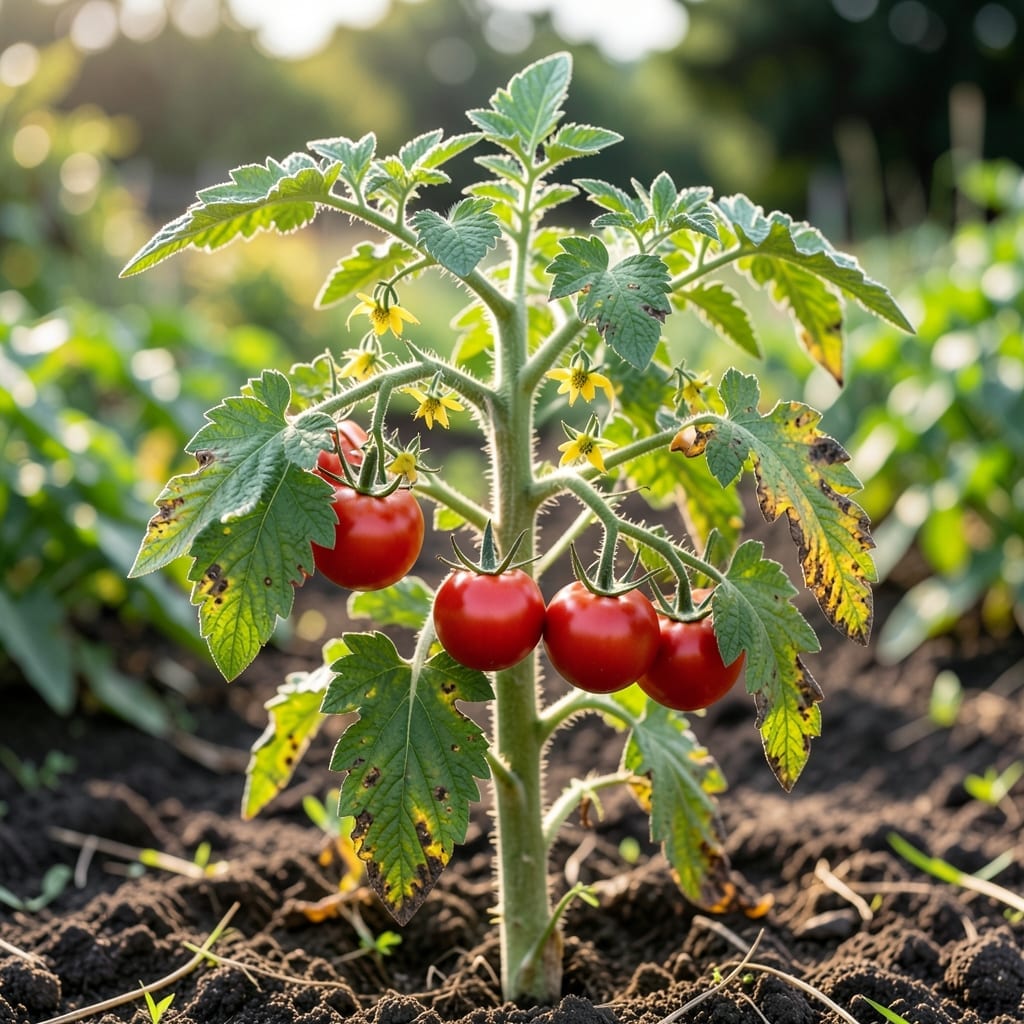
I spotted my first tomato blight on a Tuesday. The leaves had dark spots with yellow rings, and the stems looked like they’d been dipped in coffee.
Early detection is everything—catch it before it spreads to your entire crop. I’ve lost whole plants in 48 hours when I ignored the early signs.
Natural treatments work if you act fast. Copper sprays, baking soda mixes, and removing infected leaves can stop the spread. Prevention starts with crop rotation and proper spacing.
Your tomatoes can still thrive this season. Here’s how to spot it, treat it, and keep it from coming back.
Tomato blight is a common and destructive disease, but understanding its causes can help you prevent it. Here are the primary reasons why your tomatoes might be falling victim to this issue:
The most common culprits are fungal pathogens like Phytophthora infestans (late blight) and Alternaria solani (early blight). These fungi thrive in cool, wet environments with temperatures between 60–75°F (15–24°C). Excessive rainfall, poor drainage, or overhead watering creates the perfect breeding ground, allowing spores to spread rapidly through water splashes or wind.
Blight fungi can survive in infected soil or leftover plant debris from previous seasons. If you plant tomatoes in the same spot year after year without rotating crops, the pathogens remain active. Even tools, stakes, or gloves that touched infected plants can spread the disease to healthy ones.
Dense plantings or lack of pruning restrict airflow, keeping foliage damp for longer periods. Moisture-laden leaves are a prime target for fungal spores. Staking, caging, or pruning your tomato plants improves ventilation and reduces humidity around the leaves.
Sometimes, the problem starts before you even plant. Infected nursery seedlings or transplants can introduce blight into your garden. Always inspect young plants for dark spots or lesions before purchasing, and avoid buying from sources with a history of blight issues.
By addressing these root causes, you can significantly lower the risk of blight taking hold in your garden.
Tackling tomato blight starts with identifying the type—early blight, late blight, or septoria—and applying targeted fixes. Here’s how to treat each cause and prevent future outbreaks.
Fix: Remove infected leaves or plants immediately to stop the spread. Apply copper fungicide or a baking soda spray (1 tbsp baking soda + 1 tsp dish soap + 1 gallon water) every 7–10 days. For organic gardens, neem oil (mixed with water) can help suppress spores.
Prevention: Space plants 2–3 feet apart for airflow, water at the base (avoid wetting leaves), and rotate crops yearly. Use mulch to prevent soil-borne spores from splashing onto leaves.
Fix: Prune dense foliage to improve ventilation and reduce humidity. If rain is frequent, cover plants with a clear plastic roof or move potted tomatoes to a sheltered spot.
Prevention: Water early in the day so leaves dry quickly. Drip irrigation is ideal—it keeps foliage dry while delivering water directly to roots.
Fix: Replace the top 2–3 inches of soil around affected plants. For seedlings, discard infected ones and sterilize tools with rubbing alcohol to avoid cross-contamination.
Prevention: Start with disease-resistant varieties (e.g., ‘Mountain Merit’ or ‘Defiant PhR’). Solarize soil before planting by covering it with clear plastic for 4–6 weeks to kill fungi.
Fix: Treat aphids or whiteflies (which spread disease) with insecticidal soap or introduce beneficial insects like ladybugs. Strengthen plants with a seaweed extract foliar spray to boost resistance.
Prevention: Inspect plants weekly for pests and remove weeds that harbor insects. Companion planting with basil or marigolds can deter pests naturally.
Early blight causes brown spots with concentric rings on lower leaves first. Late blight appears as greasy, dark patches that spread quickly in cool, wet weather.
Yes, fungal spores travel via wind, water, or tools. Keep infected plants isolated and disinfect pruners with rubbing alcohol between cuts.
Spores can survive in soil for years. Rotate crops, remove all plant debris, and solarize soil with clear plastic for 4-6 weeks to prevent recurrence.