
Beautiful Plants For Your Interior
Beautiful Plants For Your Interior
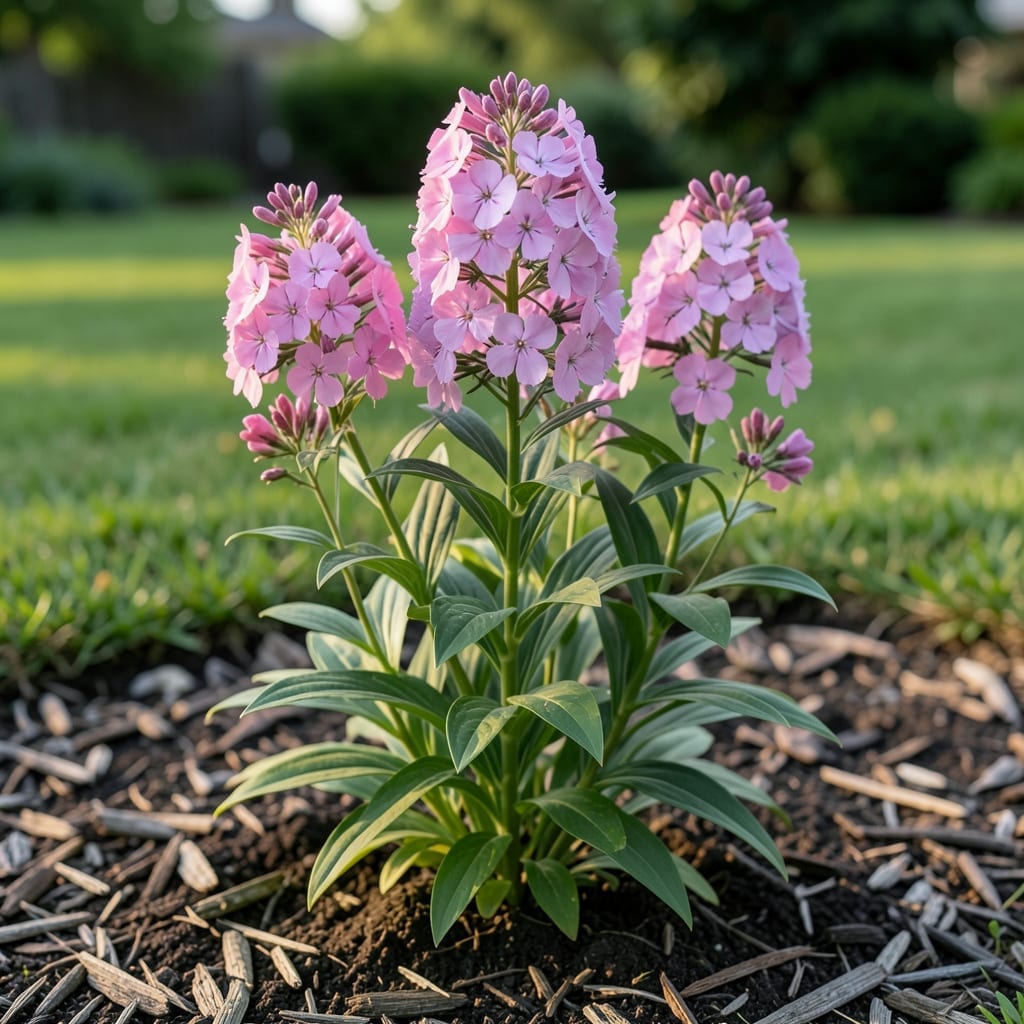
Nothing ruins a phlox display faster than mysterious spots or wilting stems. I’ve lost entire clumps to powdery mildew before learning to spot the early warning signs.
This visual guide helps you identify common issues—from leaf blight to stem cankers—before they spread. Most problems start with subtle changes in color or texture that are easy to miss until it’s too late.
With the right treatment, you can save infected plants and prevent future outbreaks. Simple adjustments in spacing, watering, and air circulation often make all the difference.
Early detection saves time and heartache. Here’s what to look for and how to respond before your garden suffers.
Understanding why phlox diseases develop is the first step toward prevention and treatment. Below are the primary causes, each with clear, science-backed explanations to help you protect your plants.
Fungi like Phytophthora, Pythium, and Powdery Mildew thrive in damp, poorly ventilated conditions. These pathogens spread through spores, which germinate on wet foliage. Overhead watering, high humidity, and crowded plantings create the perfect environment for fungal growth. Actionable tip: Improve air circulation and water at the base of the plant to reduce moisture on leaves.
Pests such as aphids, spider mites, and leafhoppers weaken phlox by feeding on sap, leaving plants vulnerable to secondary infections. Some insects, like aphids, also transmit viral diseases. Actionable tip: Regularly inspect plants for pests and use insecticidal soap or neem oil for early intervention.
Poor soil drainage, extreme temperatures, or nutrient deficiencies stress phlox, making them more susceptible to disease. For example, waterlogged roots can lead to root rot, while drought stress weakens overall plant health. Actionable tip: Ensure well-draining soil and maintain consistent moisture levels.
Bacteria like Pseudomonas cause leaf spots and blights, often entering through wounds or natural openings. These infections spread rapidly in wet conditions. Actionable tip: Remove and destroy infected plant parts immediately to prevent further spread.
Dealing with phlox diseases doesn’t have to be overwhelming. Below are targeted solutions for the most common issues, paired with actionable prevention tips to keep your plants thriving. 🌿
If you spot white, powdery patches on leaves, prune affected areas immediately and dispose of them in the trash (not compost). Thin out crowded stems to boost air circulation, and water at the base to avoid wetting foliage. For severe cases, apply a baking soda spray (1 tbsp baking soda + 1 tsp dish soap + 1 gallon of water) every 7–10 days. Prevention tip: 💡 Space plants 18–24 inches apart and choose mildew-resistant varieties like Phlox paniculata ‘David.’
Tiny webs or stippled leaves signal spider mites. Blast them off with a strong stream of water, focusing on leaf undersides. For stubborn infestations, apply neem oil or insecticidal soap weekly until mites are gone. Prevention tip: ✨ Keep plants well-hydrated—mites thrive in dry conditions. Mulch around the base to retain moisture.
Brown or black spots with yellow halos? Remove infected leaves and avoid overhead watering. Rotate crops if leaf spot recurs yearly, and clean up garden debris in fall. Fungicides like copper sulfate can help in severe cases. Prevention tip: 🎯 Water early in the day so foliage dries quickly.
Sunken, dark lesions on stems mean canker. Cut back affected stems to healthy tissue and sterilize pruners with rubbing alcohol between cuts. Destroy (don’t compost) infected material. Prevention tip: 🌡️ Avoid over-fertilizing with nitrogen, which promotes soft, disease-prone growth.
Look for white powder on leaves, brown spots, or wilting stems. Early detection is key to stopping the spread.
Remove all infected parts and treat with fungicide or neem oil. If the crown is healthy, the plant can often recover with proper care.
Space plants 18-24 inches apart, water at the base, and clean up garden debris. Good airflow is your best defense.
Yes, especially in humid conditions. It appears as white patches on leaves and spreads quickly without treatment.