
Beautiful Plants For Your Interior
Beautiful Plants For Your Interior
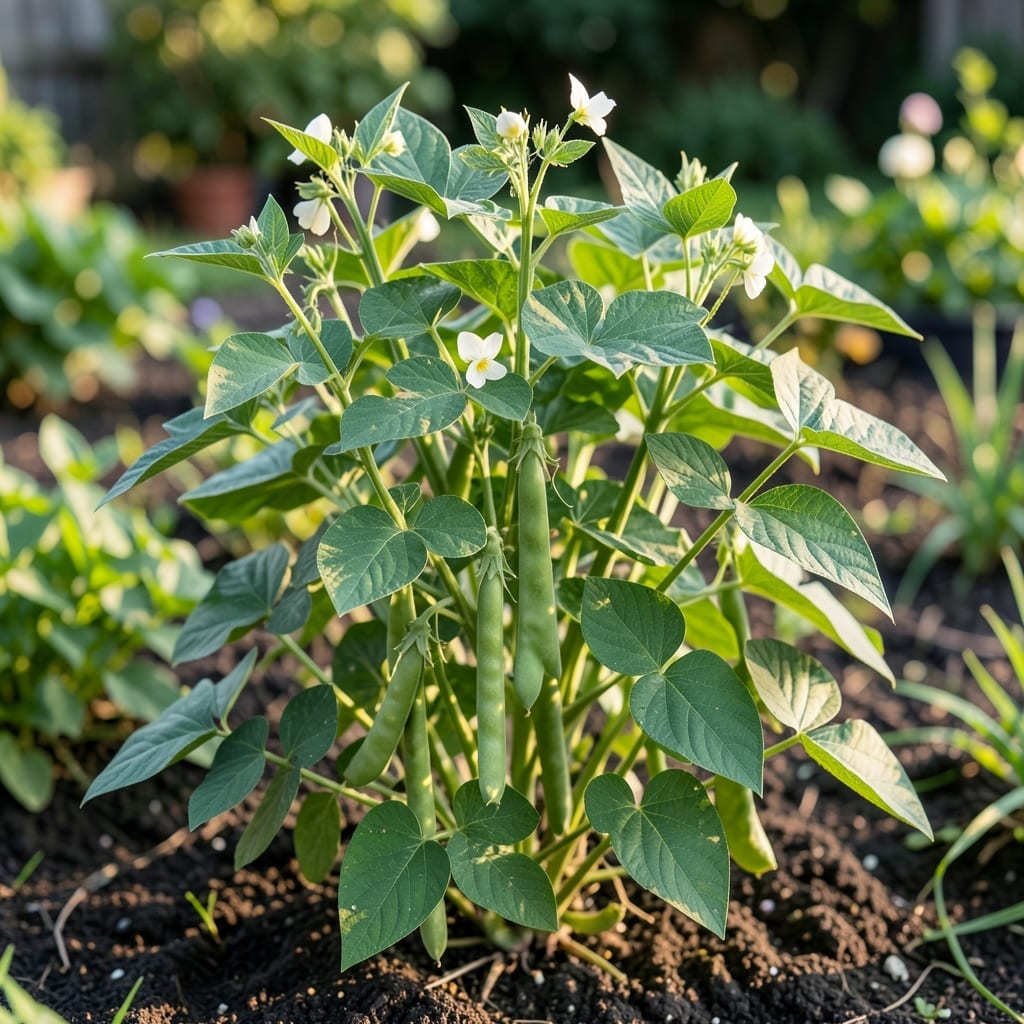
Those bean leaves telling you something’s wrong? I’ve seen Phaseolus vulgaris go from vibrant green to spotted yellow in days, and the fix is often simpler than you think.
Most leaf issues—spots, curling, or wilting—come down to just a few culprits: pests, fungus, or nutrient gaps. Organic solutions work fast if you act early and target the right problem.
📚 In This Guide
Here’s the method I use to diagnose and address common leaf problems on these plants.
Begin by examining the entire plant, focusing on the undersides of leaves where pests often hide. Look for yellowing between veins (interveinal chlorosis), which typically indicates nutrient deficiencies like iron or magnesium. Brown spots with yellow halos often signal bacterial blight or fungal infections.
Check for stippling or tiny dots on leaf surfaces—these often reveal spider mite damage. Note any curling or distortion, which can point to viral infections or herbicide drift from nearby applications.
Compare symptoms to known patterns: angular leaf spots with water-soaked margins usually mean bacterial leaf spot. Powdery white coating on leaf surfaces is classic powdery mildew, which thrives in high humidity with 60-80°F temperatures.
For pest issues, webbing on leaf undersides confirms spider mites, while sticky residue (honeydew) on leaves indicates aphid infestation. Rust-colored pustules on lower leaves suggest rust fungus, which spreads rapidly in wet conditions.
For fungal issues like powdery mildew, apply neem oil or a baking soda solution (1 tablespoon baking soda, 1 teaspoon dish soap, 1 gallon water) every 7-10 days until symptoms subside. For bacterial problems, copper-based sprays work effectively when applied at first sign of infection.
Control pests organically with insecticidal soap for aphids or a strong water spray to dislodge mites. For severe infestations, introduce beneficial insects like ladybugs. Always treat in the early morning when temperatures are cooler to prevent leaf burn.
Space plants 4-6 inches apart to ensure good air circulation, which reduces humidity around leaves. Water at the base of plants rather than overhead to keep foliage dry. Rotate crops annually to prevent disease buildup in the soil.
Remove and destroy any severely infected leaves or plants immediately to prevent spread. Clean up all plant debris at the end of the season. Consider planting resistant varieties if leaf problems recur annually in your garden.
Check plants daily during wet periods or when symptoms first appear. Adjust watering schedules if you notice leaf yellowing, which can indicate both overwatering and nutrient deficiencies. Reduce nitrogen fertilizer if you see excessive leafy growth with few flowers.
Keep a garden journal to track symptoms, treatments, and weather conditions. This helps identify patterns and refine your approach over time. Most leaf issues resolve within 2-3 weeks of consistent treatment and cultural adjustments.
The details that separate good diagnostics from great plant care.
Diagnosis Precision: In Step 1, when you’re examining leaves, don’t just look at the tops. The undersides often reveal problems first—spider mites, early fungal spores, or pest eggs that aren’t visible from above. I learned this the hard way after missing an infestation that had already spread.
The Environment Factor: For Step 2, remember that these plants need that 6-8 hours of full sun daily. If your plants are getting less, you might mistake light deficiency for nutrient issues. Also, that soil dryness check at 1 inch depth is critical—overwatering symptoms can mimic several diseases.
Treatment Timing: In Step 4, when applying the baking soda solution (1 tablespoon per gallon of water), stick to the 7-10 day interval. Skipping applications or stopping too soon allows fungal issues to rebound. And always treat both leaf surfaces—fungi and pests don’t just live on top.
Monitoring Strategy: During Step 5, that 7-14 day observation period is your best diagnostic tool. Don’t expect damaged leaves to recover, but new growth should show improvement if your treatment is working. If not, reassess your initial diagnosis rather than increasing treatment frequency.
What are the common symptoms of disease in Phaseolus vulgaris leaves?
Look for yellowing, brown spots, or curled edges. Rust, powdery mildew, and bacterial blight often cause discoloration or lesions. Early detection helps prevent spread.
Use neem oil, copper sprays, or baking soda solutions. Remove infected leaves and improve air circulation. Avoid overhead watering to reduce humidity.
Apply treatments early morning or late evening to avoid leaf burn. Start at the first sign of symptoms and reapply every 7-10 days or after rain.
Yes! Plant with marigolds, garlic, or basil to repel pests and boost plant health. Proper spacing and crop rotation also minimize disease risk.
Overwatering, nutrient deficiencies (like nitrogen or magnesium), or poor drainage may be the cause. Test soil pH and adjust care practices as needed.