
Beautiful Plants For Your Interior
Beautiful Plants For Your Interior
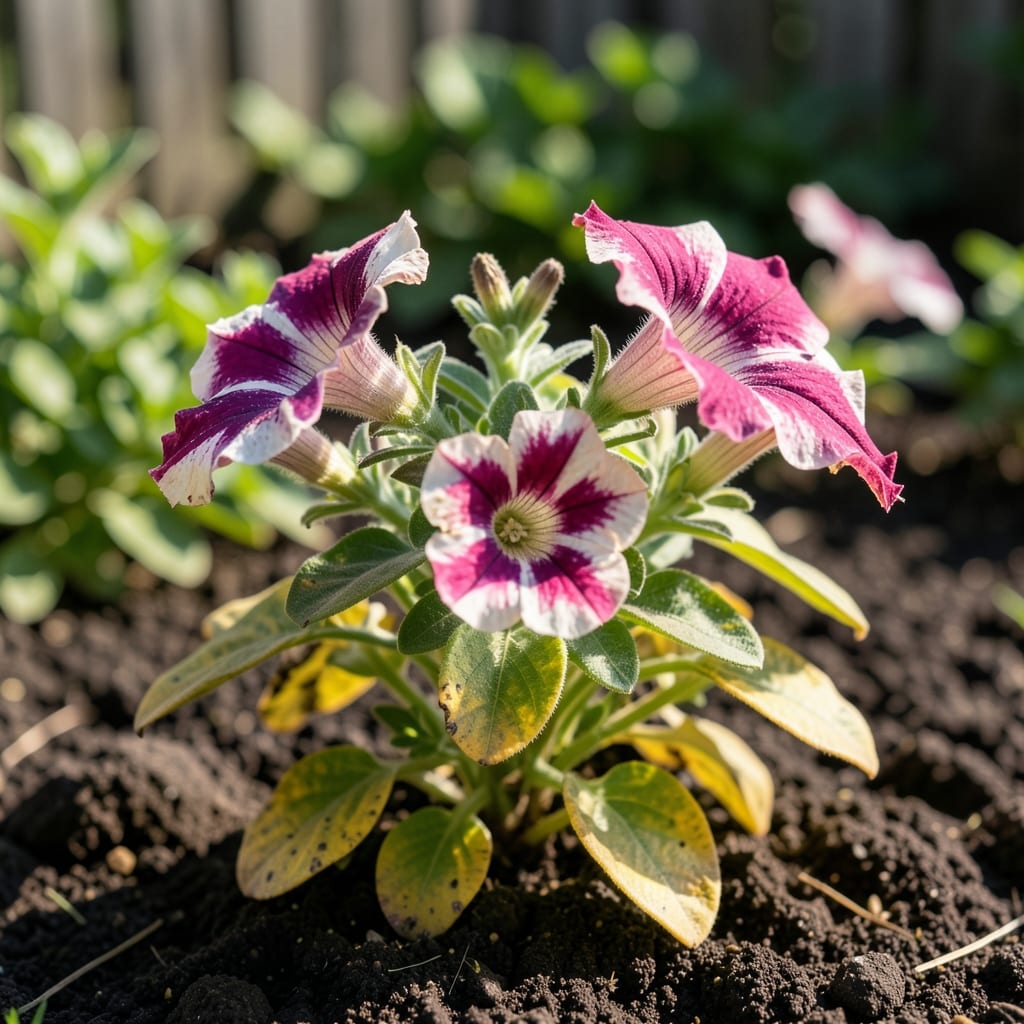
Yellow petunias mean your plants are screaming for help. I’ve saved more than I can count by catching the early signs—wilting edges, pale veins, or sudden leaf drop.
The usual suspects are overwatering, hungry roots, or sneaky pests. Each leaves a distinct pattern: soggy stems, uniform yellowing, or tiny bite marks. Diagnose first, then fix with precision.
Organic revival starts with adjusting water, feeding with compost tea, or introducing ladybugs. Most bounce back in 7-10 days with the right care.
Prevention is simpler than cure—consistent moisture, rich soil, and regular inspections keep them vibrant all season.
Petunias turning yellow often signal an underlying issue that disrupts their health. Below are the most common causes, explained with actionable insights. 🌱
Excess water suffocates roots, preventing oxygen uptake and leading to root rot. This stress manifests as yellowing leaves, often starting at the base. Petunias thrive in well-draining soil—ensure pots have drainage holes and avoid waterlogging.
Yellow leaves may indicate a lack of essential nutrients like nitrogen (uniform yellowing), iron (interveinal chlorosis), or magnesium (yellow patches with green veins). Test soil pH (ideal: 6.0–7.0) and amend with organic fertilizers or compost.
Aphids, spider mites, or whiteflies sap plant juices, causing stress and yellowing. Check leaf undersides for pests or sticky residue (honeydew). Treat with neem oil or insecticidal soap at first signs.
Extreme heat, cold snaps, or sunburn (from intense afternoon sun) can scorch petunia leaves, turning them yellow or brown. Provide afternoon shade in hot climates and mulch to regulate soil temperature.
Pathogens like powdery mildew or Pseudomonas bacteria cause yellow spots or wilting. Improve air circulation, avoid overhead watering, and remove infected foliage promptly.
Yellowing petunias can often be revived with the right care. Below are targeted fixes for the most common causes, along with prevention tips to keep your blooms vibrant.
Fix: Let the soil dry slightly between waterings. If the pot lacks drainage, repot your petunias in a container with holes. Use a well-draining potting mix with perlite or sand.
Prevention: Water only when the top inch of soil feels dry. Avoid letting petunias sit in saucers of water.
Fix: Move potted petunias to a spot with afternoon shade, or use shade cloth for intense sunlight. In extreme heat, water deeply in the early morning.
Prevention: Plant heat-tolerant varieties like Petunia grandiflora ‘Wave’ series in full-sun areas.
Fix: Apply a balanced, water-soluble fertilizer (10-10-10) every 2–3 weeks. For iron deficiency (yellow leaves with green veins), use chelated iron or lower soil pH with sulfur.
Prevention: Mix compost into the soil at planting and top-dress monthly for steady nutrient supply.
Fix: Spray aphids or spider mites off with water, then apply insecticidal soap or neem oil. For severe cases, remove heavily infested leaves.
Prevention: Encourage beneficial insects like ladybugs and avoid over-fertilizing, which attracts pests.
Fix: Remove yellowed or spotted leaves immediately. Treat with copper-based fungicide or a baking soda spray (1 tsp baking soda + 1 quart water + a few drops of soap).
Prevention: Space plants for airflow, water at the base (not leaves), and clean up garden debris.
With these adjustments, your petunias should bounce back to their colorful best! 🌸
Water when the top 1 inch of soil feels dry. Typically 2-3 times per week in hot weather, less in cooler conditions. Overwatering is a common cause of yellow leaves.
Use a balanced water-soluble fertilizer like 10-10-10 every 2-3 weeks. For iron deficiency, add chelated iron or lower soil pH with sulfur.
Yes, intense afternoon sun can scorch leaves. Provide afternoon shade or use shade cloth during peak heat. Petunias prefer 6-8 hours of sunlight daily.
Check leaf undersides for aphids, spider mites, or whiteflies. Look for sticky residue (honeydew) or tiny bite marks. Treat with neem oil immediately.