
Beautiful Plants For Your Interior
Beautiful Plants For Your Interior
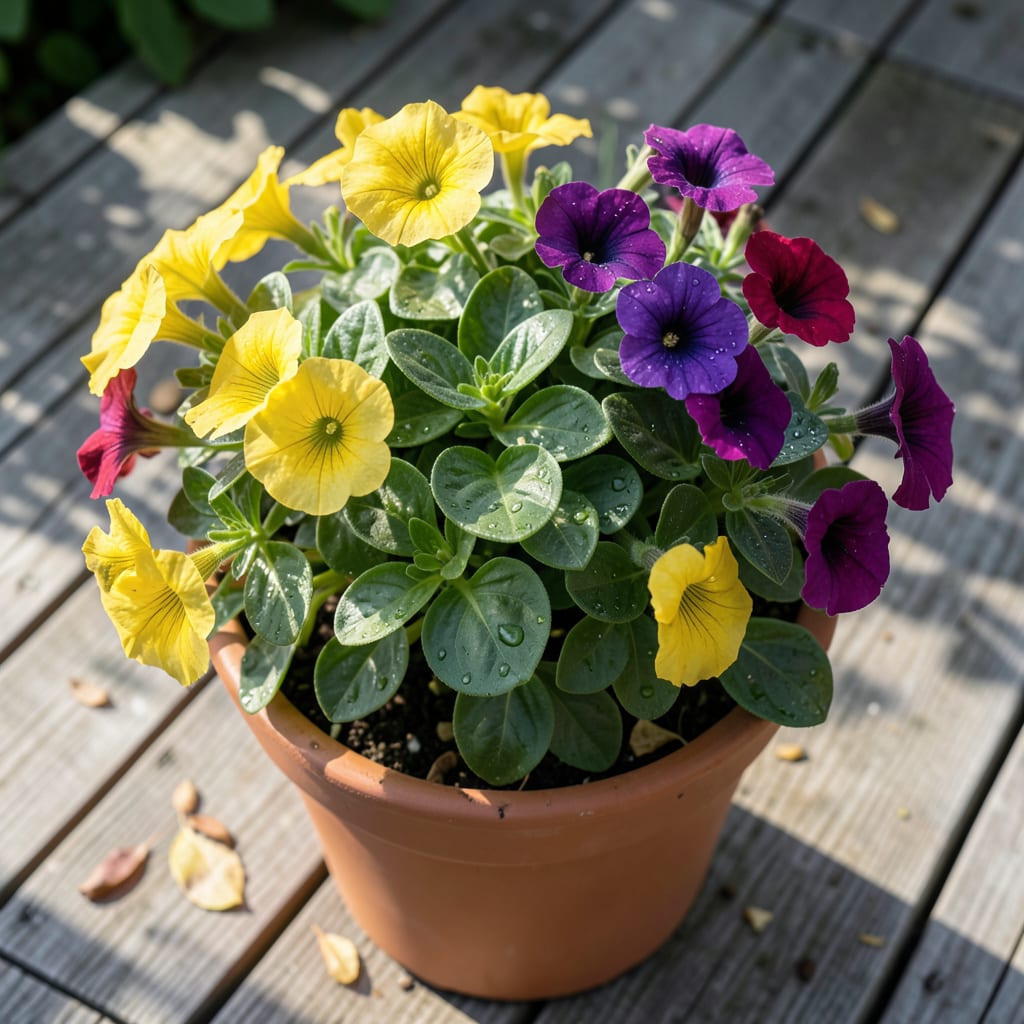
Yellow petunia leaves ruin the show in any garden. I’ve seen it happen overnight—vibrant blooms one day, sad yellow foliage the next. The culprit is usually simple: too much love in the form of water or not enough light.
Most gardeners overwater first, then panic when roots start drowning. Petunias prefer soil that’s moist but never soggy. And without 6-8 hours of sunlight daily, they can’t photosynthesize properly, leading to that telltale yellowing.
Fixing it starts with checking the soil—stick your finger in. If it’s damp an inch down, hold off on watering. Move pots to brighter spots or thin out nearby plants blocking the light.
Prevention is easier than cure. Use well-draining soil, water at the base, and fertilize lightly every 2-3 weeks. Your petunias will reward you with bold, green leaves and a flush of color.
Yellowing leaves on petunias are a clear sign that something is disrupting their health. Here are the most common causes, explained with actionable insights:
Petunias thrive in moist but not soggy soil. Overwatering suffocates the roots, reducing oxygen uptake and leading to chlorosis (yellowing). Poor drainage exacerbates this, trapping roots in waterlogged soil. Check soil moisture before watering—stick your finger 1 inch deep; if it’s damp, hold off. Ensure pots have drainage holes to prevent root rot.
Yellow leaves often signal a lack of essential nutrients. Nitrogen deficiency causes uniform yellowing, starting with older leaves. Iron or magnesium deficiency (common in alkaline soils) leads to interveinal chlorosis—yellow leaves with green veins. Use a balanced, water-soluble fertilizer (10-10-10 or 20-20-20) weekly, or add chelated iron for iron-deficient soils.
Petunias need 6–8 hours of sunlight daily. Insufficient light weakens the plant, causing pale or yellow leaves as chlorophyll production drops. Conversely, intense afternoon sun (especially in hot climates) can scorch leaves, turning them yellow or brown. Move potted petunias to a spot with morning sun and afternoon shade if signs of stress appear.
Sap-sucking pests like aphids, spider mites, or whiteflies drain nutrients from leaves, causing yellowing and stunted growth. Inspect the undersides of leaves for tiny insects or webbing. Treat with insecticidal soap or neem oil, applying in the early morning or late evening to avoid harming beneficial pollinators.
Extreme temperatures (below 40°F or above 90°F) or sudden temperature swings can stress petunias, leading to yellowing. Heat stress often pairs with wilting, while cold stress may cause leaf discoloration and drop. Mulch around the base to regulate soil temperature, and provide temporary shade during heatwaves.
Here’s how to nurse your petunias back to health, cause by cause.
Let the soil dry slightly between waterings. Stick your finger an inch into the soil—if it’s damp, wait. Ensure pots have drainage holes, and use a well-draining potting mix. Prevention tip: Water in the morning so excess moisture evaporates during the day.
Move petunias to a location with 6–8 hours of sunlight daily. If leaves scorch in intense afternoon sun, provide light shade. For leggy, pale plants, shift them to brighter spots gradually to avoid shock. Prevention tip: Rotate pots weekly for even light exposure.
Use a balanced, water-soluble fertilizer (10-10-10 or 20-20-20) every 2–4 weeks. Yellowing with green veins? That’s often iron deficiency—apply a chelated iron supplement. Prevention tip: Avoid over-fertilizing; follow package instructions to prevent salt buildup.
Check undersides of leaves for aphids, spider mites, or whiteflies. Blast them off with water or apply neem oil or insecticidal soap. For fungal issues (like powdery mildew), improve air circulation and remove affected leaves. Prevention tip: Space plants properly to reduce humidity and pest spread.
Petunias thrive in 60–75°F (15–24°C). Move potted plants indoors or to a shaded area during extreme heat or cold snaps. Prevention tip: Use mulch to regulate soil temperature in garden beds.
Water when the top 1 inch of soil feels dry. In hot weather, this may mean daily watering, but always check first. Overwatering causes more yellowing than underwatering.
This often signals nitrogen deficiency. The plant moves nitrogen from older leaves to new growth first. Use a balanced fertilizer to restore nutrients.
Once leaves turn yellow, they typically won’t regain their green color. Focus on fixing the underlying issue to prevent new leaves from yellowing.
Yes, prune yellow leaves to redirect the plant’s energy to healthy growth. Use clean scissors and remove leaves at the base.
