
Beautiful Plants For Your Interior
Beautiful Plants For Your Interior
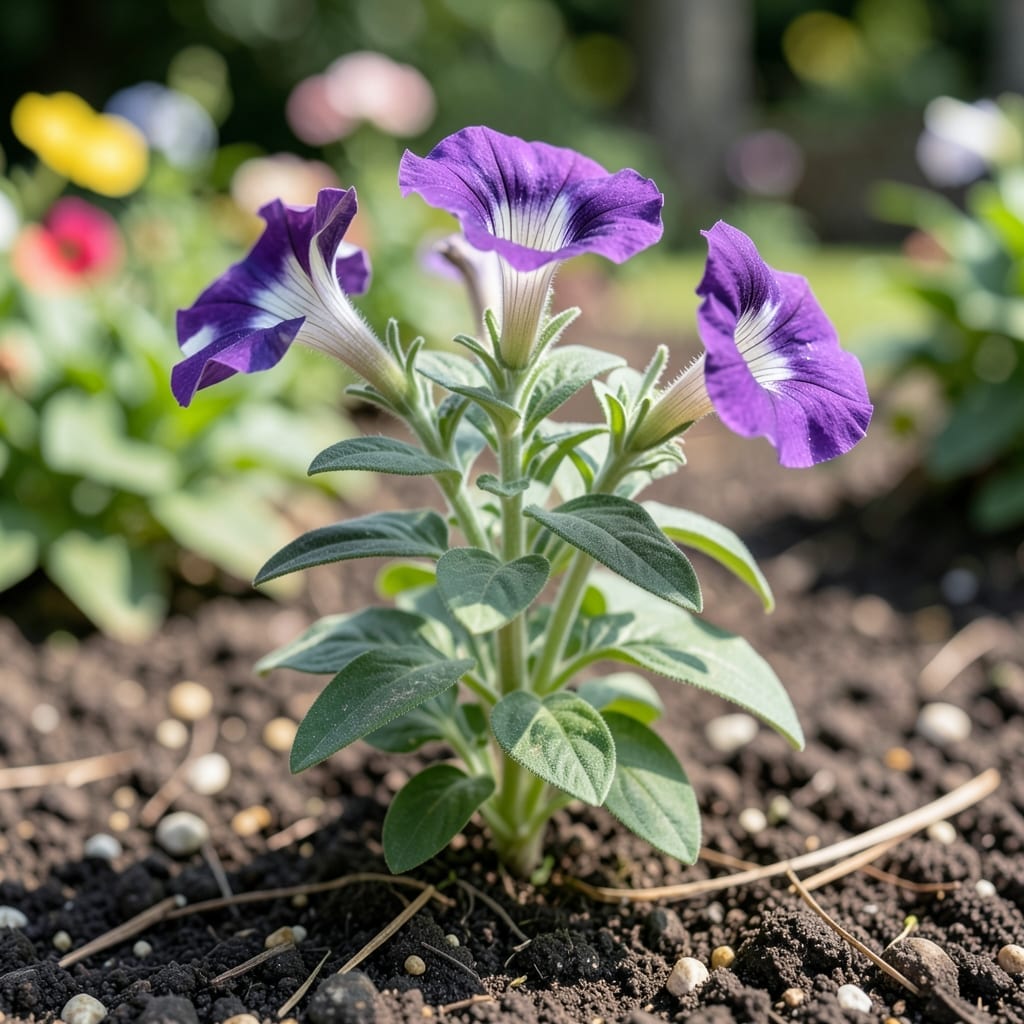
Your petunias were thriving yesterday, and today their leaves look like tiny tacos. I’ve seen this happen to mine more times than I’d like to admit—always a gut-punch moment.
Curling leaves usually mean the plant is stressed, whether from underwatering, too much sun, or pests you can’t yet see. The good news? Most causes are fixable with quick action.
You’ll spot the difference between thirsty leaves and disease once you know what to look for. I learned to check soil moisture, inspect stems, and adjust care before the problem spreads.
With the right steps, those leaves unfurl within 24-48 hours. Here’s how to diagnose and revive them fast.
Petunia leaves curl primarily due to environmental stress or disease. Here are the most common causes, explained scientifically:
When temperatures exceed 85°F (29°C), petunias lose moisture faster than their roots can absorb it. This triggers osmotic stress, causing cells in the leaves to contract and curl inward to reduce surface area and limit water loss. This is a natural survival mechanism, but prolonged exposure can lead to permanent damage.
Insufficient water disrupts the plant’s turgor pressure—the internal water pressure that keeps leaves rigid. As the soil dries out, cells in the leaves lose moisture, leading to wilting and curling. Petunias need consistent moisture, especially in containers where soil dries out quickly.
Excess water suffocates the roots, preventing oxygen uptake and leading to root rot. As roots decay, they fail to deliver water and nutrients to the leaves, causing them to curl and turn yellow or brown. This is often mistaken for underwatering, so always check the soil moisture before watering.
Sap-sucking pests like aphids, whiteflies, or spider mites pierce leaf cells to feed, causing direct damage. The loss of sap reduces turgor pressure, while the pests’ salivary toxins can distort growth, leading to curled or cupped leaves. Inspect the undersides of leaves for tiny bugs or webbing.
Pathogens like Botrytis cinerea (gray mold) or Powdery Mildew infect leaves, disrupting their structure and function. As the fungus spreads, it blocks stomata (pores), reducing gas exchange and causing leaves to curl or twist. High humidity and poor air circulation accelerate these infections.
Strong winds or mechanical stress (e.g., brushing against leaves) can tear leaf tissues. The plant responds by curling damaged leaves to protect them from further harm. This is often localized to exposed areas and may appear alongside torn edges or bruising.
Addressing petunia leaf curl starts with pinpointing the cause and applying targeted fixes. Below are practical solutions for common triggers, along with prevention tips to keep your blooms thriving.
Fix: Water deeply at the base in the early morning to reduce evaporation. Use mulch (like straw or bark) to retain moisture. If temperatures soar above 90°F, provide afternoon shade with a shade cloth or relocate potted petunias.
Prevent: 💡 Plant in well-draining soil and group containers to create a microclimate that traps humidity.
Fix: Let the top inch of soil dry out between waterings. If roots are soggy, repot in fresh, loamy soil with perlite. For garden beds, amend heavy clay with compost to improve drainage.
Prevent: 🎯 Use pots with drainage holes and water only when the soil feels dry to the touch.
Fix: For aphids or whiteflies, spray leaves with a neem oil solution (1 tbsp oil + 1 tsp dish soap per gallon of water) every 5–7 days. Remove severely infested leaves by hand.
Prevent: ✨ Encourage natural predators like ladybugs by planting companion flowers (e.g., marigolds) nearby.
Fix: Prune affected leaves with sterilized scissors and apply a copper-based fungicide or baking soda spray (1 tsp baking soda + 1 quart water + a drop of soap). Space plants to improve airflow.
Prevent: 🌿 Avoid overhead watering—use a soaker hose or drip irrigation to keep foliage dry.
Fix: Apply a balanced, water-soluble fertilizer (10-10-10) every 2–3 weeks. For magnesium deficiency (yellowing between veins), use Epsom salt (1 tbsp per gallon of water) as a foliar spray.
Prevent: 🔥 Test soil annually and amend with compost before planting.
Water when the top 1 inch of soil feels dry, typically every 2-3 days in hot weather. Containers may need daily watering. Always water at the base, not the leaves.
Yes, petunias in direct afternoon sun above 85°F often curl to conserve moisture. Provide shade during peak heat or move potted plants to a cooler spot.
If leaves don’t unfurl within 24 hours, check for pests or root rot. Inspect undersides for bugs and ensure pots have drainage holes.
Only remove leaves that are yellow, brown, or severely damaged. Healthy curled leaves often recover once the underlying issue is fixed.