
Beautiful Plants For Your Interior
Beautiful Plants For Your Interior
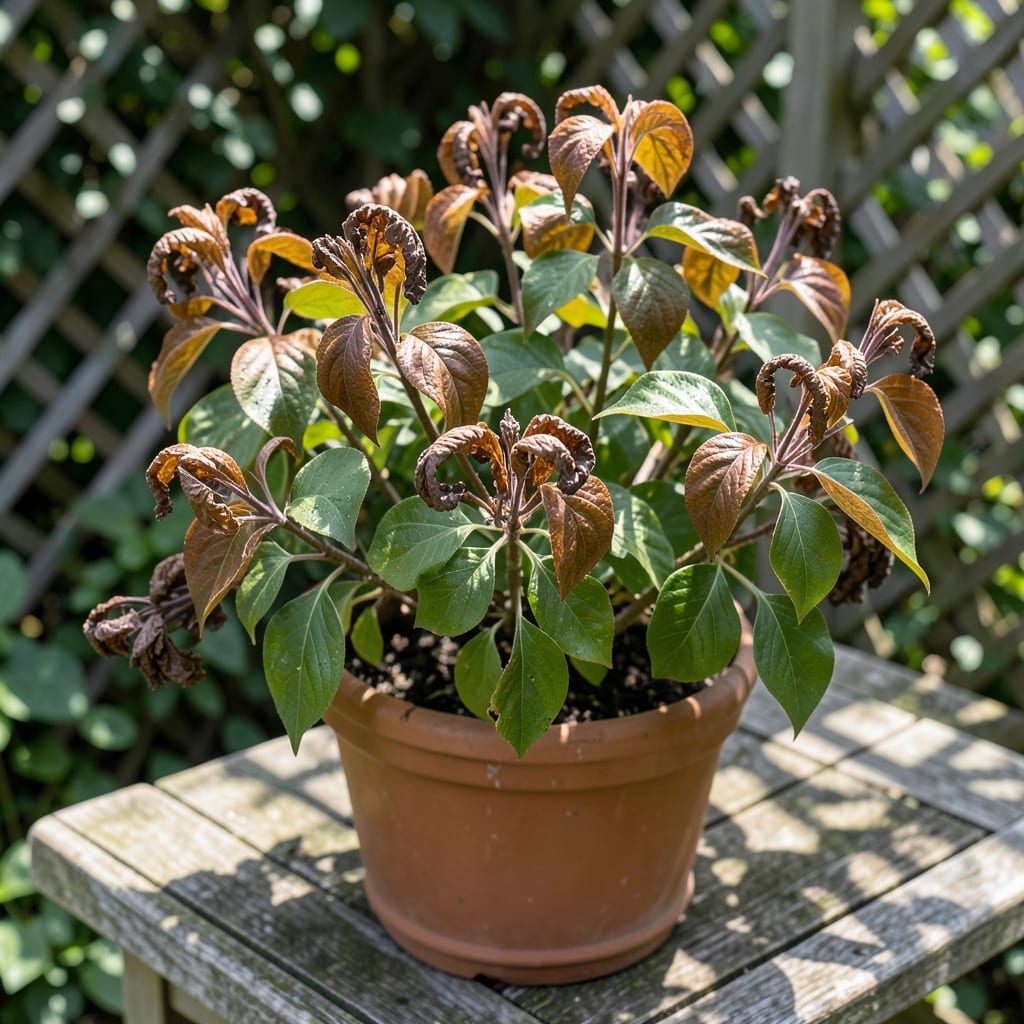
Curling, brown lilac leaves ruined my spring display last year. Here’s the thing—it’s usually not the plant failing you, but the conditions failing the plant.
I traced my issue to dry soil and aphid damage, both fixable without harsh chemicals. Most curly brown leaves signal either pest pressure, water stress, or a funnel disease working its way through the shrub.
Once you identify the culprit, organic solutions like neem oil or better watering habits can stop the damage within 2-3 weeks. The leaves won’t recover, but new growth will come in healthy.
Works for established shrubs and new plantings alike. Let’s diagnose and treat this properly.
Several underlying stressors can trigger lilac leaves curling and turning brown. Identifying the root cause is key to restoring plant health. Below are the most common culprits, explained with actionable insights.
Lilacs thrive in moderate climates. When exposed to prolonged heat or drought, leaves lose moisture faster than roots can replenish it. This causes cellular damage, leading to curling (a survival mechanism to reduce surface area) and browning from scorching or necrosis. Check soil moisture 2 inches deep—if dry, water deeply at dawn.
Pathogens like Verticillium or Phytophthora disrupt water transport in the xylem, starving leaves of nutrients. Early signs include yellowing between veins, followed by curling and browning. Fungal spores thrive in wet foliage or poor air circulation. Prune infected branches and avoid overhead watering.
Sap-sucking pests like aphids, scale, or lilac borers pierce leaf tissues, causing tissue collapse and curling. Their sticky honeydew residue also promotes sooty mold, which blackens leaves. Inspect leaf undersides for pests and treat with neem oil or insecticidal soap at first sight.
Lilacs prefer slightly alkaline soil (pH 6.5–7.5). Excessively acidic or saline soil impedes nutrient uptake (e.g., iron or magnesium deficiency), leading to interveinal chlorosis and browning. Test soil pH and amend with lime (to raise pH) or sulfur (to lower it) as needed.
Sudden changes—like transplant shock, frost damage, or herbicide drift—disrupt normal leaf function. Curling and browning often appear within 24–48 hours of exposure. Protect plants with row covers during late frosts and avoid spraying herbicides near lilacs.
Don’t let curling, brown lilac leaves ruin your garden’s charm. Here’s how to nurse your plant back to health, cause by cause. 🌿✨
Fix: Check the soil 2 inches down—if it’s bone-dry, water deeply until moist. If soggy, stop watering and let it dry out. For severe overwatering, improve drainage by mixing in compost or sand.
Prevention: Water when the top inch of soil feels dry. Use mulch to retain moisture evenly. 💡 Pro tip: Early morning watering reduces evaporation and fungal risks.
Fix: Spray leaves with neem oil or insecticidal soap, focusing on undersides where pests hide. For aphids or mites, a strong blast of water can dislodge them. Repeat every 5–7 days until gone.
Prevention: Encourage natural predators like ladybugs. Keep the garden free of debris where pests breed.
Fix: Remove and destroy infected leaves to stop the spread. Apply a copper-based fungicide or a baking soda solution (1 tsp baking soda + 1 quart water + a drop of dish soap). Prune to improve airflow.
Prevention: Avoid overhead watering. Space plants properly and clean up fallen leaves in autumn. ✨ Pro tip: Disinfect pruning tools with rubbing alcohol between cuts.
Fix: Shield lilacs from harsh afternoon sun with shade cloth. Move potted plants to a cooler spot. If the issue is cold drafts, use a frost cover during sudden temperature drops.
Prevention: Plant lilacs in a spot with consistent, moderate conditions. Acclimate potted lilacs gradually to outdoor changes.
Fix: Test the soil for deficiencies. Amend with a balanced fertilizer (10-10-10) or add organic matter like compost. For iron deficiency (common in high-pH soil), use chelated iron.
Prevention: Feed lilacs annually in early spring. Monitor leaf color for early signs of nutrient issues.
Water deeply when the top 1-2 inches of soil feel dry. Aim for 1-2 times per week in hot weather, less in cooler months. Always water at the base in the early morning to prevent fungal issues.
Use neem oil or insecticidal soap, focusing on leaf undersides. Repeat every 5-7 days until pests are gone. For severe cases, prune heavily infested branches.
Damaged leaves won’t heal, but new growth will be healthy if you address the root cause. Most lilacs bounce back within 2-3 weeks with proper care.
Avoid overhead watering and improve air circulation by spacing plants properly. Remove fallen leaves in autumn and disinfect pruning tools between cuts.
