
Beautiful Plants For Your Interior
Beautiful Plants For Your Interior
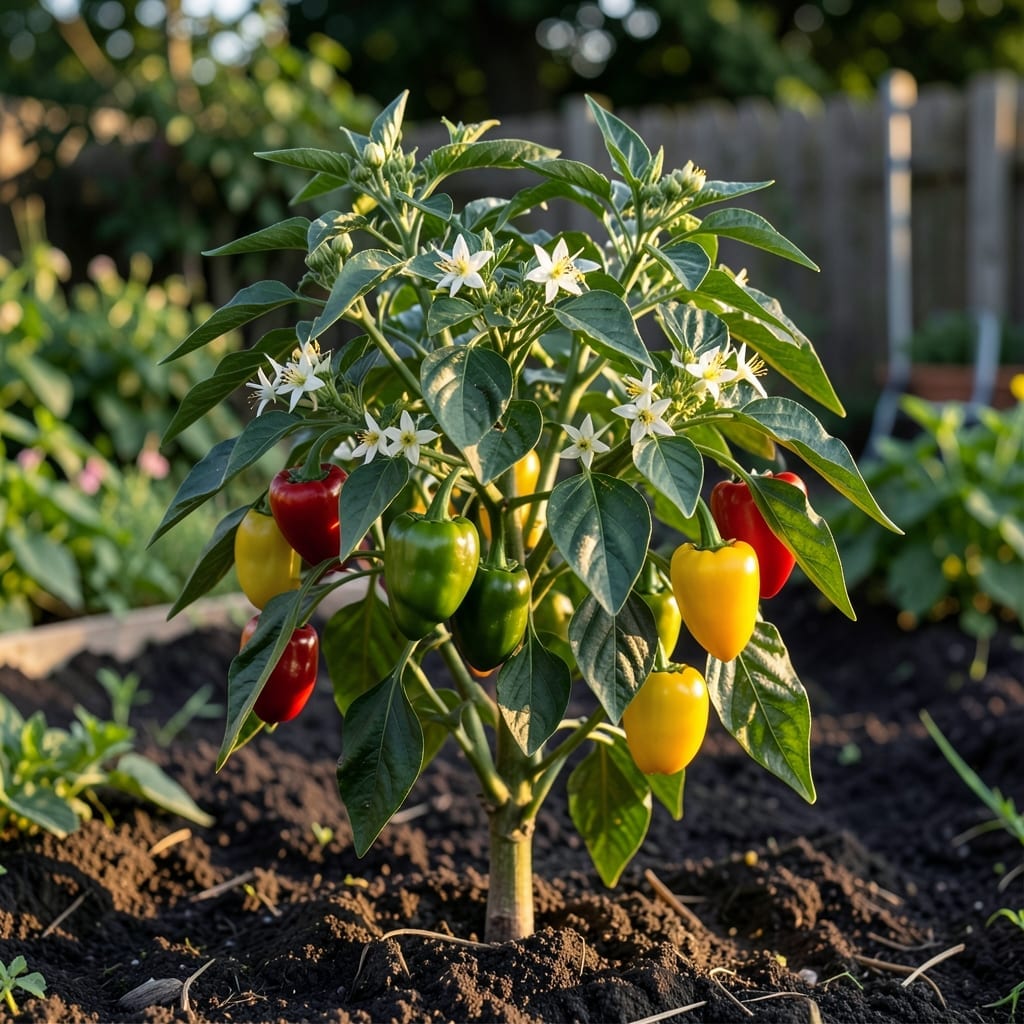
Nothing kills the thrill of a thriving pepper plant like watching its leaves curl up. I’ve been there—staring at those once-vibrant leaves twisting inward, wondering what went wrong.
Turns out, curling leaves usually point to stress—too much water, not enough light, or an uninvited pest. The good news? Most causes are fixable with a few simple adjustments and organic solutions.
I’ve saved countless pepper plants by checking soil moisture first (finger test, always) and looking for telltale signs like sticky residue or tiny bugs. Early action makes all the difference.
You’ll get your plant back to its lush, productive self faster than you think. Here’s how to diagnose and treat it right.
Several environmental and biological factors can trigger leaf curling in pepper plants. Understanding the root cause is key to restoring your plant’s health. Below are the most common culprits, explained with actionable insights.
Peppers thrive in warm conditions, but excessive heat (above 90°F/32°C) or inconsistent watering can stress the plant, leading to upward or downward leaf curling. Uneven soil moisture—either too dry or waterlogged—disrupts nutrient uptake, causing leaves to curl as a survival response.
Sap-sucking pests like aphids, spider mites, or whiteflies damage leaf tissues, prompting curling. These pests inject toxins while feeding, which distorts new growth. Check the undersides of leaves for webbing, sticky residue (honeydew), or visible insects.
A lack of calcium, magnesium, or potassium often manifests as curled or deformed leaves. For example, calcium deficiency (common in fast-growing peppers) causes new leaves to curl and develop brown spots. Magnesium shortages may lead to yellowing between leaf veins (interveinal chlorosis) alongside curling.
Excess synthetic fertilizers or high salt concentrations in soil can burn roots, limiting water absorption. This osmotic stress forces leaves to curl inward to reduce surface area and conserve moisture. Flush the soil with water to remove excess salts if this is suspected.
Strong winds, low humidity, or sudden temperature drops can shock pepper plants, triggering leaf curl. Peppers prefer stable conditions—aim for 70–85°F (21–29°C) and moderate humidity to prevent stress responses.
Here’s how to tackle curling leaves on your pepper plants, with simple fixes for each common cause:
If your peppers are getting too much direct sunlight or high temperatures, move them to a spot with afternoon shade or use shade cloth. Water deeply in the early morning to help them cool down. Prevention tip: 💡 Mulch around the base to retain moisture and regulate soil temperature.
Check the soil—if it’s bone dry, water thoroughly but avoid soggy soil. If it’s waterlogged, let it dry out before watering again. Prevention tip: ✨ Stick your finger an inch into the soil; water only when the top inch feels dry. Use well-draining soil to avoid root rot.
Inspect the undersides of leaves for aphids, spider mites, or whiteflies. Spray with neem oil or insecticidal soap every few days until the pests are gone. Prevention tip: 🎯 Introduce beneficial insects like ladybugs to keep pests in check naturally.
Yellowing or curling leaves may signal a lack of magnesium or calcium. Apply a balanced organic fertilizer or Epsom salt spray (1 tbsp per gallon of water) for magnesium. For calcium, add crushed eggshells to the soil. Prevention tip: 🌱 Test your soil annually to catch deficiencies early.
Strong winds or sudden temperature drops can stress peppers. Use a windbreak or move potted plants indoors temporarily. Prevention tip: 🌿 Harden off seedlings gradually before transplanting to avoid shock.
Water when the top 1 inch of soil feels dry. Aim for 1-2 inches per week, adjusting for heat. Overwatering causes root rot, while underwatering leads to stress.
Aphids, spider mites, and whiteflies are common culprits. Check leaf undersides for webbing or sticky residue. Treat with neem oil or insecticidal soap.
Yes, peppers prefer 6-8 hours of sunlight. Excessive heat above 90°F can stress plants. Use shade cloth during peak afternoon hours.
For magnesium, use 1 tbsp Epsom salt per gallon of water. For calcium, add crushed eggshells. Always test soil first to confirm the issue.