
Beautiful Plants For Your Interior
Beautiful Plants For Your Interior
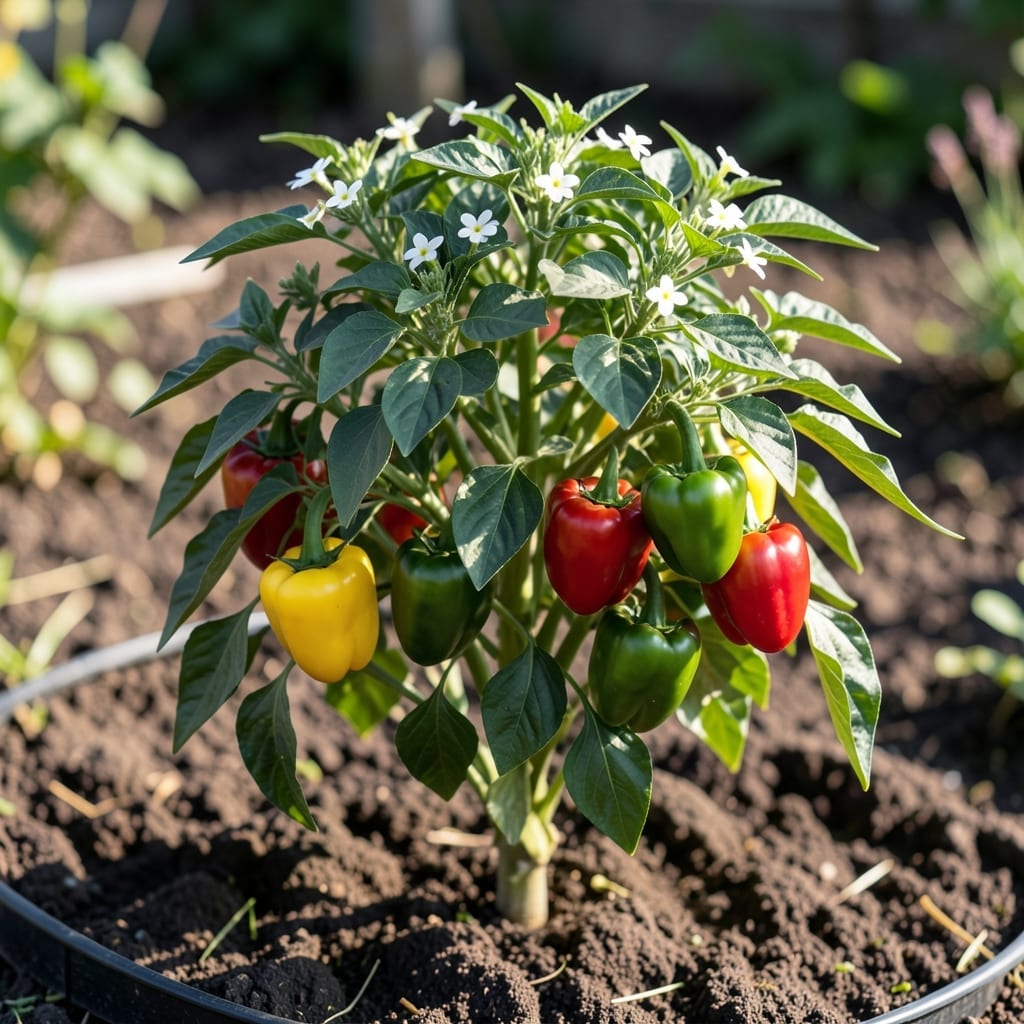
First time I saw my pepper leaves curling, I panicked. Turns out, it’s usually a simple fix—often just thirst or too much sun.
Curling leaves scream stress: underwatering, overwatering, or pests hiding underneath. I’ve fixed dozens of plants by checking soil moisture first, then inspecting for aphids or spider mites.
Most cases clear up within 24-48 hours of adjusting water or shade. The key is catching it early before the plant weakens or stops producing.
Works for bell peppers, jalapeños, even ornamental varieties. Here’s how to diagnose and act fast.
Pepper plant leaves curl up as a stress response to environmental or care-related issues. Here are the most common causes, explained:
Inconsistent watering disrupts the plant’s osmotic balance. Underwatering causes leaves to curl inward to reduce surface area and conserve moisture. Overwatering, on the other hand, suffocates roots, preventing nutrient uptake and leading to wilting or curling. Check soil moisture 1–2 inches deep—it should be damp but not soggy.
Peppers thrive in 70–85°F (21–29°C) during the day and 60–70°F (15–21°C) at night. Exposure to temperatures below 50°F (10°C) or above 90°F (32°C) triggers leaf curling as a protective mechanism. Sudden temperature swings, like cold drafts or heatwaves, can also stress the plant.
Aphids, spider mites, and whiteflies suck sap from leaves, causing dehydration and curling. Look for visible pests, sticky residue (honeydew), or fine webbing. These pests often target new growth first, leading to distorted or cupped leaves.
A lack of magnesium or calcium can cause leaves to curl. Magnesium deficiency often shows as yellowing between leaf veins (interveinal chlorosis), while calcium deficiency leads to stunted, deformed new growth. Test soil pH (ideal: 6.0–6.8)—imbalances can lock out nutrients even if they’re present.
Low humidity (<40%) or strong winds can desiccate leaves, prompting curling to retain moisture. Conversely, excessive humidity (>70%) invites fungal diseases like powdery mildew, which may indirectly cause curling. Ensure good air circulation around plants.
When your pepper plant’s leaves start curling, quick action can save your harvest. Below are targeted fixes for the most common causes, paired with prevention tips to keep your plants thriving.
Fix: Check the soil moisture by sticking your finger 1-2 inches deep. If it’s bone dry, water thoroughly until it drains from the bottom. If soggy, let it dry out before watering again. Use a well-draining soil mix to avoid waterlogging.
Prevention: Water on a consistent schedule (every 2-3 days in hot weather) and use mulch to retain moisture. A moisture meter can take the guesswork out of the process.
Fix: Spray leaves with a mix of 1 tsp neem oil + 1 quart water + a few drops of dish soap to smother aphids, mites, or whiteflies. For severe cases, remove heavily infested leaves and isolate the plant.
Prevention: Inspect plants weekly for early signs of pests. Introduce beneficial insects like ladybugs or lacewings to your garden as natural predators.
Fix: Move potted peppers to a spot with consistent temperatures (70–85°F) and gentle airflow. If outdoors, use shade cloth to protect from intense midday sun or cold drafts.
Prevention: Harden off seedlings gradually before transplanting. Group plants together to create a microclimate that buffers temperature swings.
Fix: Apply a balanced, water-soluble fertilizer (10-10-10) or a calcium-magnesium supplement like Epsom salt (1 tbsp per gallon of water) if leaves show yellowing or curling. Avoid over-fertilizing, which can burn roots.
Prevention: Test soil annually and amend with compost or organic matter before planting. Feed peppers every 2–4 weeks during the growing season.
Fix: Remove affected leaves and treat with a copper-based fungicide or baking soda spray (1 tbsp baking soda + 1 quart water + 1 tsp dish soap). Prune to improve air circulation.
Prevention: Space plants 18–24 inches apart, water at the base (not the leaves), and rotate crops yearly to prevent soil-borne diseases.
With the right adjustments, your pepper plants should bounce back in 1–2 weeks. Stay consistent, and happy growing! 🌱
Water every 2-3 days in hot weather, checking soil moisture 1-2 inches deep. It should feel damp but not soggy. Mulch helps retain moisture between waterings.
Temperatures above 90°F (32°C) can stress peppers, causing leaves to curl. Use shade cloth during peak sun hours to protect them.
Yes! Mix 1 tsp neem oil + 1 quart water + dish soap to treat aphids or mites. Spray leaves thoroughly, focusing on the undersides.
Yellowing between leaf veins suggests magnesium deficiency, while stunted growth may indicate a lack of calcium. Test soil pH (ideal: 6.0–6.8) for accuracy.