
Beautiful Plants For Your Interior
Beautiful Plants For Your Interior
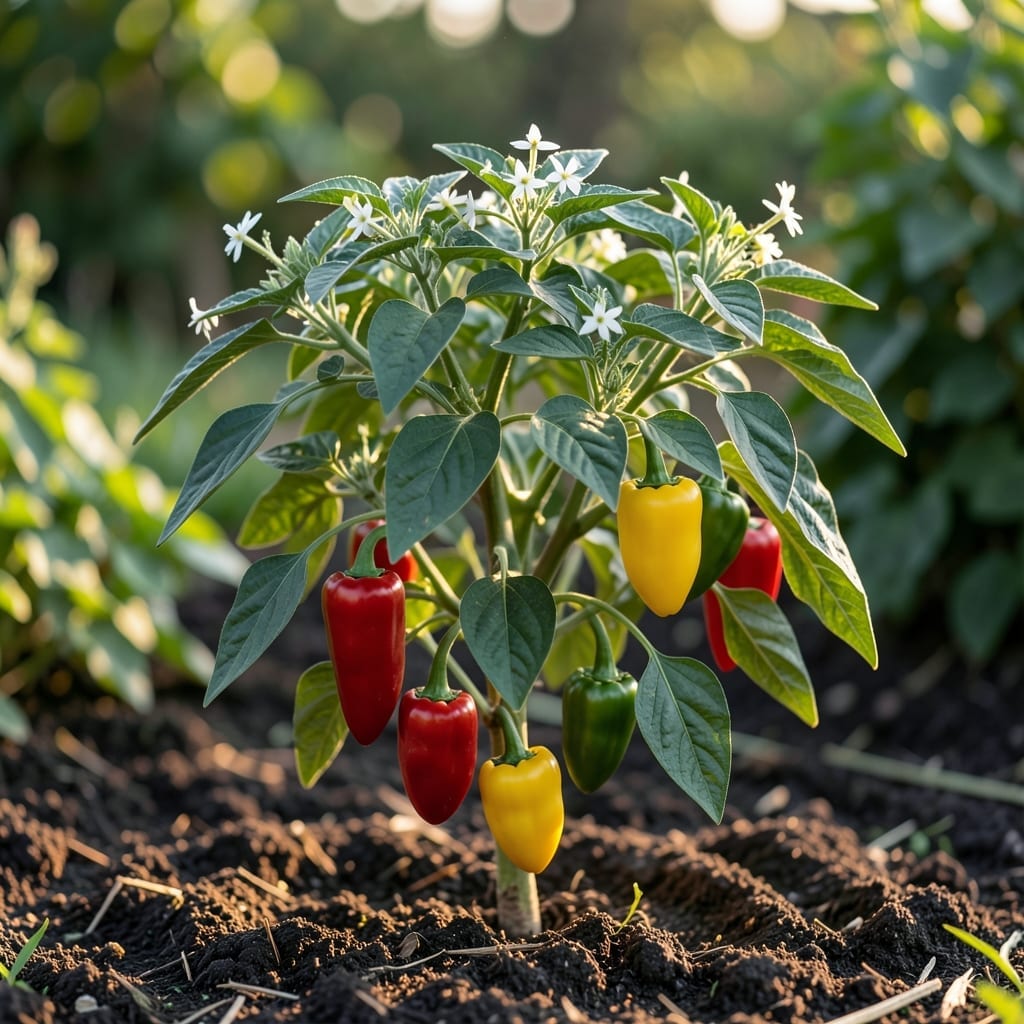
I first noticed the strange bubbles on my pepper leaves after a rainy week. At first, I thought it was dew—until I saw the soapy residue and realized something was very wrong.
Turns out, this isn’t a disease or pest issue. It’s usually caused by something much simpler: insect activity or environmental stress. The most common culprit? Spittlebugs leaving their foamy hiding spots behind.
You can fix this in under 10 minutes with a strong spray of water or insecticidal soap. The key is catching it early before the bubbles spread to newer growth.
Prevention comes down to regular plant checks and proper watering habits. No fancy tools required—just consistent attention to your peppers.
Bubbles on pepper plant leaves often signal an underlying issue that disrupts the plant’s natural processes. Here’s a breakdown of the most common causes:
Excess water in the soil can lead to root stress, forcing air out of the roots and into the plant’s vascular system. This air escapes through the leaves, creating bubbles on the surface. Poor drainage exacerbates the problem by suffocating the roots, preventing them from absorbing oxygen efficiently.
Insects like aphids, spider mites, or whiteflies pierce leaf tissues to feed on sap. Their saliva contains enzymes that disrupt cell walls, causing a foamy or bubbly residue as the plant reacts to the damage. Check the undersides of leaves for tiny pests or sticky residue (honeydew).
Foliar sprays, neem oil, or even hard water can leave behind soapy deposits that trap air and form bubbles. This is common after applying insecticidal soaps or fertilizers without rinsing properly. Always dilute solutions as directed and avoid spraying in direct sunlight.
Extreme temperature swings, high humidity, or sudden light changes can cause osmotic imbalances in the leaves. The plant may expel excess moisture or gases through stomata (pores), leading to bubble formation. Acclimate plants gradually to new conditions to prevent stress.
If your pepper plant leaves are bubbling, the fix depends on the underlying cause. Here’s a practical guide to diagnosing and solving the issue, along with prevention tips to keep your plants healthy.
If the bubbling is from soap or detergent:
Prevention: Always rinse plants after applying any soap-based treatments, and test sprays on a small area first. 💡
For aphids, whiteflies, or mites causing bubbling:
Prevention: Inspect plants regularly for early signs of pests. Keep the growing area clean and free of debris. 🎯
If bubbling is due to edema (water pressure in cells):
Prevention: Use containers with drainage holes and avoid letting plants sit in saucers of water. ⚡
For heat or humidity-related bubbling:
Prevention: Avoid placing pepper plants near heaters, AC vents, or drafty windows. ✨
No, bubbling leaves are rarely caused by disease. It’s usually environmental or pest-related. Check for pests first, then assess watering habits and growing conditions.
Look under leaves for tiny insects or sticky residue. Aphids and spittlebugs are common culprits. Use a magnifying glass for a closer inspection if needed.
If caught early, plants recover quickly. Reduce watering and improve drainage. For severe cases, repot in fresh, well-draining soil to prevent root rot.
Rinse leaves gently with lukewarm water. Use a soft cloth to wipe away bubbles. Avoid harsh sprays that could damage tender foliage.