
Beautiful Plants For Your Interior
Beautiful Plants For Your Interior
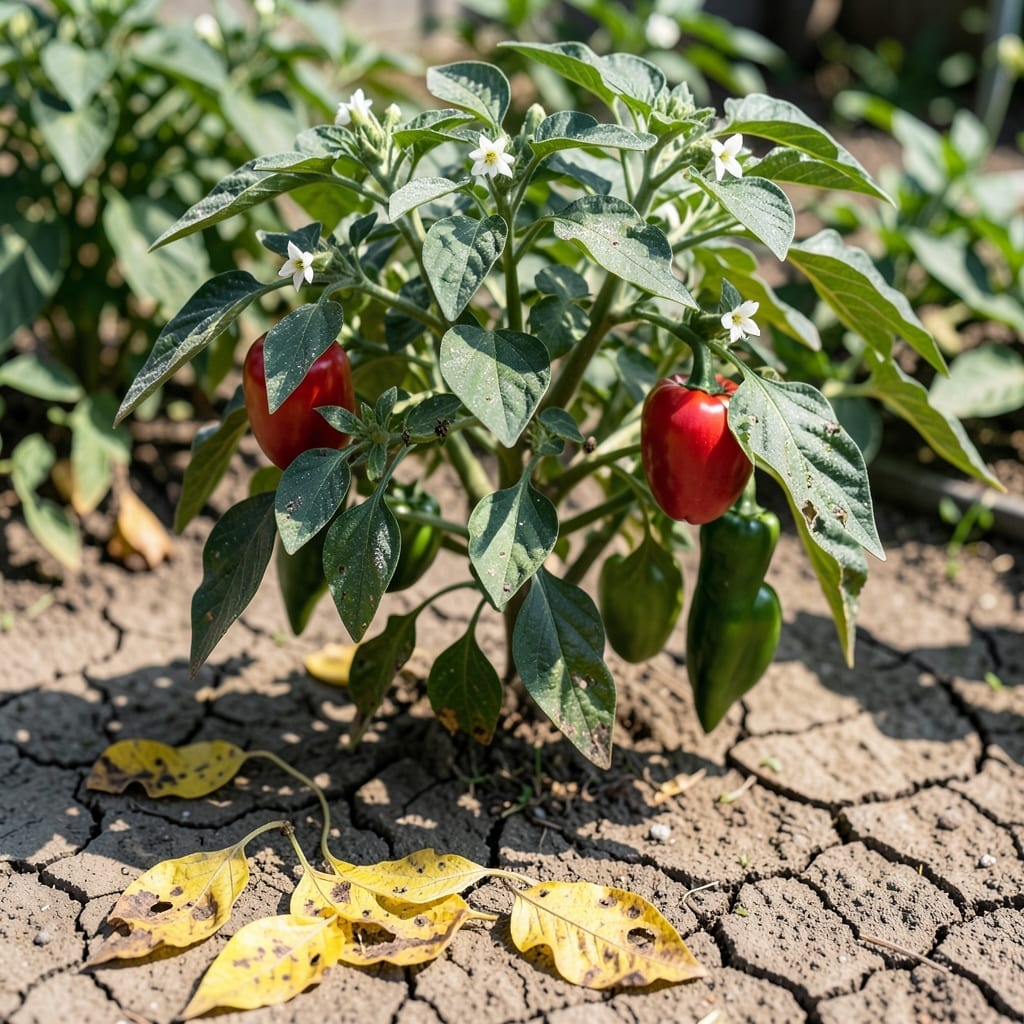
My pepper plants went from thriving to drooping overnight last summer. Turns out, most dying pepper plants suffer from 3 common issues—overwatering, pests, or disease—and the fixes are simpler than you think.
I’ve killed my share of peppers by loving them too much with water. The leaves turn yellow, the stems go soft, and suddenly you’re staring at a sad, wilted mess. But here’s the thing—peppers are tougher than they look.
With the right troubleshooting, you can nurse them back to health in a week or two. First step? Stop watering and check the roots. If they’re brown and mushy, you’ve found your culprit.
Prevention is even easier: consistent watering, good drainage, and a watchful eye for early signs of trouble. Your peppers will thank you with a bountiful harvest.
Understanding why your pepper plant is struggling starts with identifying the underlying causes. Here are the most common culprits, explained with scientific precision:
Pepper plants (Capsicum annuum) thrive in warm, consistent temperatures between 70–85°F (21–29°C). Exposure to cold below 55°F (13°C) or heat above 90°F (32°C) disrupts cellular function, slowing growth or causing wilting. Heat stress can also lead to blossom end rot due to calcium uptake inhibition.
Overwatering suffocates roots by reducing soil oxygen, fostering Phytophthora or Pythium root rot. Underwatering, on the other hand, triggers xylem cavitation—where air bubbles block water transport in the plant’s vascular system. Aim for 1–2 inches of water per week, adjusting for drainage and humidity.
A lack of key nutrients manifests in visible symptoms:
Sap-sucking pests like aphids or spider mites weaken plants by draining nutrients and spreading viruses. Fungal diseases (e.g., powdery mildew) thrive in high humidity, while bacterial spot (Xanthomonas) causes leaf lesions. Preventative measures (e.g., neem oil, crop rotation) are critical.
Don’t give up on your pepper plant just yet! With a few targeted fixes, you can nurse it back to health. Below are practical solutions for common issues, each paired with prevention tips to keep your plant thriving long-term.
Fix: Check the soil moisture by sticking your finger about an inch deep. If it’s soggy, let it dry out before watering again. If it’s bone-dry, give it a deep watering until water drains from the bottom. Adjust your watering schedule based on the plant’s needs—peppers prefer consistently moist but not waterlogged soil.
Prevention: Use well-draining soil and pots with drainage holes. Water in the morning to reduce evaporation and fungal risks. 💡 Pro tip: A moisture meter can take the guesswork out of watering!
Fix: Move your pepper plant to a spot where it gets at least 6–8 hours of direct sunlight daily. South-facing windowsills or a sunny balcony work well. If growing indoors, supplement with a grow light (12–16 hours/day).
Prevention: Rotate the plant weekly to ensure even light distribution. Monitor for leggy growth or pale leaves, which signal insufficient light.
Fix: Inspect leaves (especially undersides) for aphids, spider mites, or whiteflies. Blast them off with a strong stream of water or wipe leaves with a soapy water solution (1 tsp mild soap per quart of water). For severe cases, use neem oil or insecticidal soap.
Prevention: Keep your garden clean, remove debris, and introduce beneficial insects like ladybugs. ✨ Pro tip: A weekly spray of diluted neem oil can deter pests before they strike.
Fix: Peppers thrive in 70–85°F (21–29°C) during the day and 60–70°F (15–21°C) at night. If it’s too cold, move plants indoors or use a cloche for protection. For heat stress, provide afternoon shade or mulch to retain moisture.
Prevention: Harden off seedlings before transplanting and avoid placing plants near cold drafts or heat sources like radiators.
Water when the top 1 inch of soil feels dry. Most need 1–2 inches per week, but adjust for heat and humidity. Always check soil moisture first to avoid overwatering.
Yellow leaves often signal overwatering or nitrogen deficiency. Check roots for rot and consider a balanced fertilizer if soil is dry. Test soil pH to rule out nutrient lockout.
Yes, if caught early. Trim black/mushy roots, repot in fresh well-draining soil, and hold off on watering for 3–4 days. Ensure the new pot has drainage holes.
Peppers thrive in 70–85°F daytime temps and 60–70°F at night. Below 55°F or above 90°F causes stress. Use cloches or shade cloth to protect from extremes.