
Beautiful Plants For Your Interior
Beautiful Plants For Your Interior
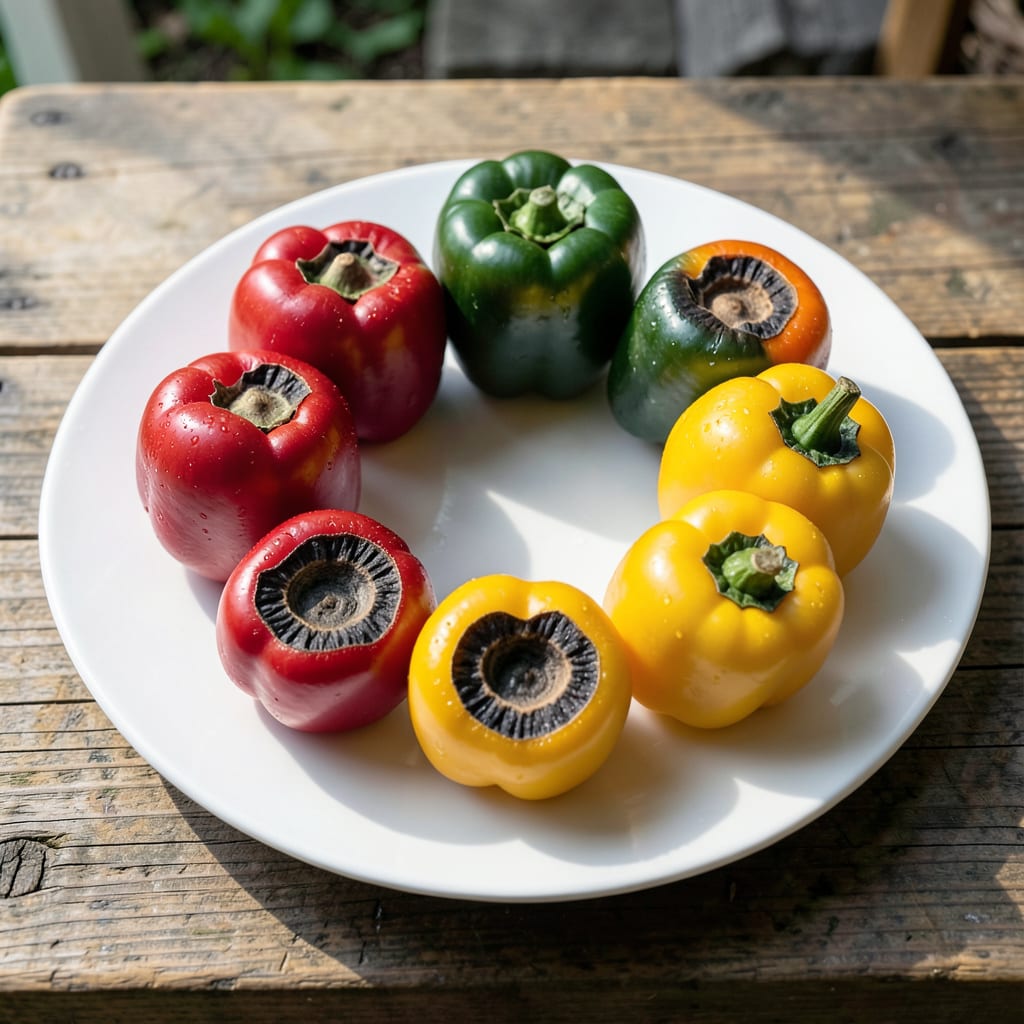
There’s nothing worse than watching your bell peppers develop that telltale brown rot at the bottom. I lost half my crop one season before figuring out the real culprit—it wasn’t pests or disease.
This issue almost always traces back to calcium deficiency or inconsistent watering, and the fix is simpler than you’d think. A few adjustments can save your current plants and prevent it next year.
You’ll start seeing healthy fruit within 2-3 weeks of treatment. No more sunken, leathery patches ruining your harvest. The plants bounce back fast when you address the root cause.
Works for container gardens, raised beds, or in-ground planting. Here’s how to stop it for good.
Bell pepper blossom end rot is primarily triggered by calcium deficiency in the developing fruit, but several underlying factors can disrupt calcium uptake or distribution. Here’s why it happens:
Fluctuating soil moisture—especially drought followed by heavy watering—disrupts calcium transport to the fruit. Calcium moves through the plant via xylem (water-conducting tissue), so dry spells halt its flow, while sudden saturation can dilute available calcium in the root zone.
Soils naturally low in calcium (e.g., sandy or highly acidic soils with pH < 5.5) fail to provide enough of this nutrient. Even if calcium is present, excessive potassium, magnesium, or ammonium in fertilizer can block its absorption by competing for root uptake sites.
Cold, waterlogged soil (below 50°F/10°C) slows root activity, reducing calcium absorption. Conversely, heat stress (above 90°F/32°C) accelerates transpiration, causing calcium to prioritize leaf growth over fruit development, leaving the blossom end vulnerable.
During periods of vigorous vegetation (e.g., after heavy nitrogen fertilization), the plant diverts calcium to new leaves and stems, starving the fruit. This is common in fast-growing hybrids or when plants rebound after stress, like transplant shock.
High soil salinity or accidental herbicide drift can injure root systems, impairing their ability to absorb calcium. Damaged roots may appear stunted or discolored, directly limiting nutrient uptake.
Blossom end rot in bell peppers is frustrating, but these targeted fixes can save your crop. Address the root causes with these practical steps:
Add crushed eggshells or gypsum to the soil for a slow-release calcium boost. For quick results, use a calcium nitrate spray (1 tbsp per gallon of water) on leaves. Avoid high-nitrogen fertilizers, which can block calcium uptake.
Keep soil evenly moist—not soggy or dry. Use mulch (straw or wood chips) to retain moisture and prevent fluctuations. Water deeply 2-3 times per week (adjust for heat), and avoid wetting foliage to reduce disease risk.
💡 Pro Tip: Drip irrigation delivers water directly to roots, preventing stress.
Shield peppers from heatwaves (above 90°F) with shade cloth and from cold snaps (below 55°F) with row covers. Consistent temps help calcium move through the plant.
Test soil pH—aim for 6.0–6.8. If too acidic, add lime; if alkaline, mix in sulfur. Balanced pH ensures calcium is available to roots.
Remove affected fruit immediately to redirect calcium to healthy ones. New peppers formed after treatment will develop normally. Existing rot can’t be reversed, but the plant can still produce healthy harvests.
With consistent watering and calcium supplements, new growth shows improvement in 7-10 days. Full recovery takes 2-3 weeks, so be patient and maintain your routine.
Recurring issues usually mean soil calcium levels are chronically low. Test your soil and amend with lime or gypsum before planting next season. Rotating crops also prevents depletion.
