
Beautiful Plants For Your Interior
Beautiful Plants For Your Interior
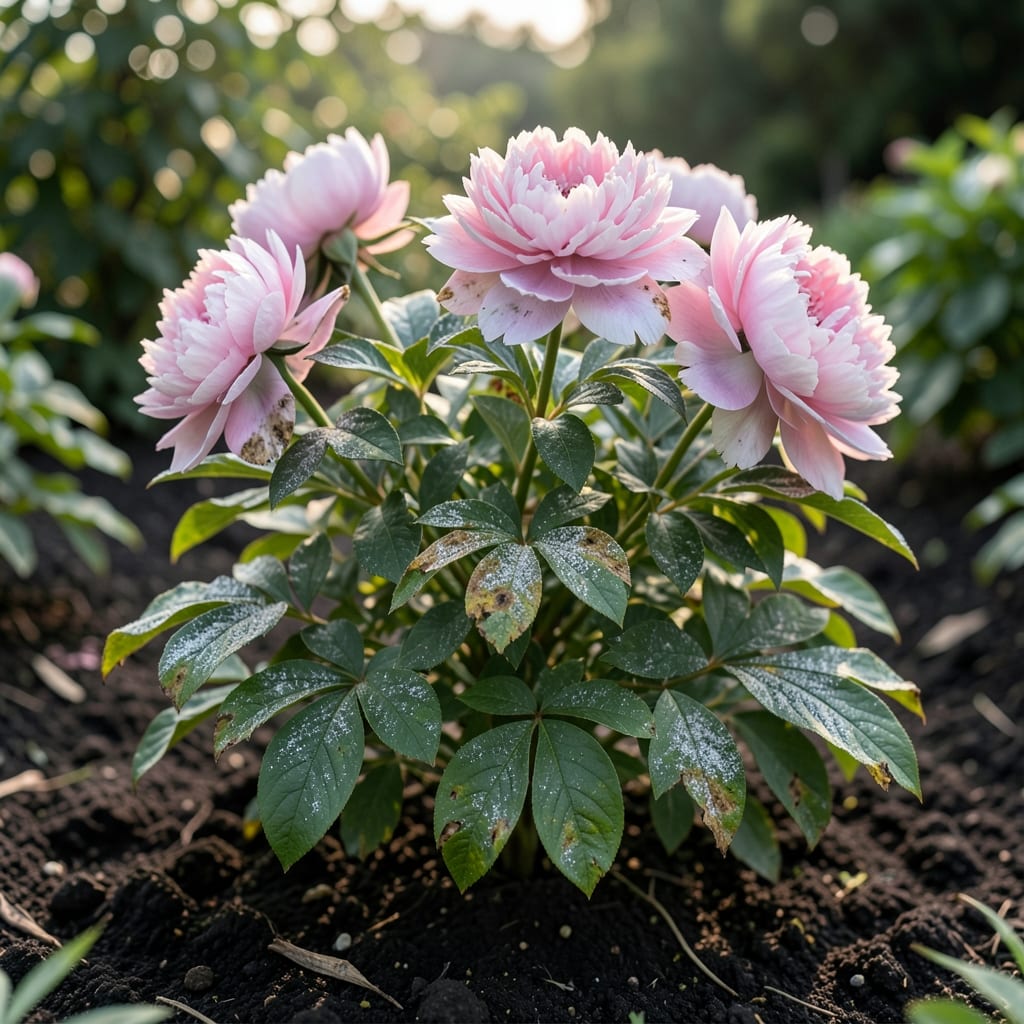
Nothing ruins peony season faster than black spots on leaves. I’ve lost entire blooms to fungus before learning how to spot the early warning signs—before the damage spreads.
The culprits usually appear as dark patches, powdery coatings, or wilting stems. They thrive in wet conditions, so crowded plants or poor air circulation make the problem worse. Catching it early saves your spring display.
Simple fixes like removing infected foliage and improving airflow often stop the spread. A copper fungicide spray can provide extra protection during rainy seasons without harsh chemicals.
Prevention is the real game-changer: proper spacing, cleanup in fall, and resistant varieties keep your peonies healthy year after year. Here’s how to spot and stop the trouble.
Peony fungus problems often stem from environmental and cultural conditions that favor pathogen growth. Understanding these causes helps prevent and manage infections effectively.
Fungal diseases like Botrytis paeoniae (gray mold) thrive in damp, poorly ventilated environments. Overhead watering, heavy rainfall, or high humidity create ideal conditions for spores to germinate and spread. Water at the base of the plant and avoid wetting foliage to reduce risk.
Dense plantings or crowded garden beds restrict airflow, trapping moisture around peony stems and leaves. This stagnation encourages fungal spores to settle and infect. Space plants 3–4 feet apart and prune nearby vegetation to improve ventilation.
Fungal pathogens overwinter in fallen leaves, dead stems, and garden debris. If not removed, these materials release spores in spring, reinfecting new growth. Clean up plant debris in late fall or early spring to break the disease cycle.
Cool, wet springs followed by warm, humid weather accelerate fungal growth. Pathogens like Phytophthora and Verticillium exploit stressed peonies during these transitions. Mulch lightly to stabilize soil temperature and reduce stress.
Fungi can spread via pruning tools, infected soil, or even newly planted stock. Sterilize tools with rubbing alcohol between cuts, and avoid planting peonies in areas with a history of fungal issues.
Peony fungus can feel like a daunting problem, but with the right approach, you can restore your plants to health. Below are practical solutions for common fungal issues, paired with prevention tips to keep them from returning.
If you notice a white, powdery coating on leaves, prune affected areas immediately and dispose of them in the trash (not compost). Treat the plant with a baking soda solution (1 tbsp baking soda + 1 tsp dish soap + 1 gallon water) or a fungicide like neem oil. Prevention tip 💡: Improve air circulation by spacing plants 3–4 feet apart and watering at the base to keep foliage dry.
This fungus causes brown spots and mushy stems. Remove and destroy infected parts right away, then apply a copper-based fungicide. For severe cases, cut the plant back to the ground to prevent spread. Prevention tip 🌡️: Avoid overhead watering, and clean up fallen leaves and debris around the plant to reduce moisture buildup.
Purple or brown spots on leaves signal leaf spot fungus. Trim infected foliage and treat with a sulfur-based fungicide or a mix of 1 part hydrogen peroxide to 10 parts water. Prevention tip ✨: Mulch with organic material to prevent soil splashing onto leaves, and rotate planting locations yearly.
Yellowing leaves and wilting may indicate root rot from overly wet soil. Dig up the plant, trim black or mushy roots, and replant in well-draining soil. Prevention tip 💪: Ensure pots have drainage holes, and avoid overwatering—peonies prefer moist but not soggy soil.
With consistent care and these targeted fixes, your peonies can bounce back stronger than ever!
Look for dark spots on leaves, white powdery coatings, or wilting stems. Early signs include yellowing edges or brown patches that spread quickly.
Space plants 3–4 feet apart for airflow, water at the base, and remove fallen debris in autumn. Copper fungicide can help in wet seasons.
Yes! A mix of 1 tbsp baking soda + 1 tsp dish soap in 1 gallon water works for mild cases. Neem oil is another effective organic option.
Cut affected foliage with sterilized shears and dispose of it in the trash—never compost it. This stops spores from spreading.