
Beautiful Plants For Your Interior
Beautiful Plants For Your Interior
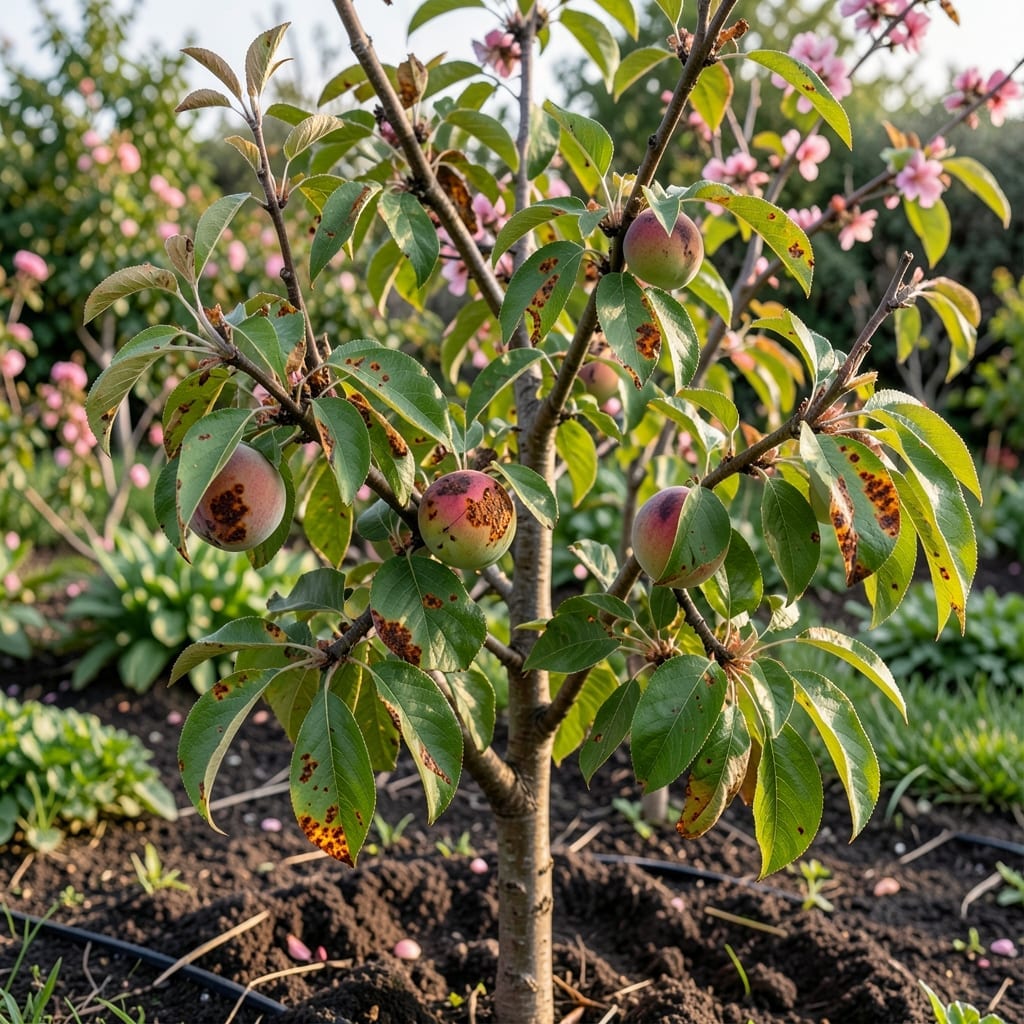
Spotted orange dust on your peach leaves last summer? That’s likely rust fungus, and it spreads fast if ignored. I learned this the hard way after losing half my harvest one year.
This disease thrives in wet conditions, turning leaves yellow and dropping fruit before it ripens. The good news? Catching it early means you can stop it with simple organic sprays and better airflow.
You’ll see healthier foliage within 2-3 weeks of treatment, and next year’s crop stays protected with the right prevention. No fancy equipment needed—just consistency.
Works for backyard orchards and single trees alike. Here’s how to spot it and shut it down.
Peach tree rust, caused by the fungus Tranzschelia pruni-spinosae, doesn’t appear out of nowhere. Understanding its root causes helps prevent and manage outbreaks. Below are the primary triggers behind this common fungal disease.
Fungal spores thrive in damp environments. Prolonged wetness on leaves—from heavy rainfall, overhead irrigation, or poor air circulation—creates the perfect breeding ground. Trees in low-lying areas or dense canopies with limited airflow are especially vulnerable. Actionable tip: Improve drainage and space trees properly to reduce humidity around foliage.
The fungus activates in mild to warm temperatures (50–75°F / 10–24°C), especially when combined with moisture. Early spring and fall, when days are warm but nights are cool and dewy, are peak risk periods. Actionable tip: Monitor weather patterns and apply preventive fungicides during these transitional seasons.
Peach tree rust alternates between peach trees and wild or cultivated Prunus species (like plums or cherries). If alternate hosts are present nearby, spores can spread easily via wind or rain. Actionable tip: Remove wild Prunus plants near your orchard and inspect neighboring trees for rust signs.
Watering from above wets the leaves, prolonging surface moisture and inviting fungal growth. Drip irrigation or soaker hoses deliver water directly to the roots, keeping foliage dry. Actionable tip: Switch to ground-level watering to minimize leaf wetness.
Fallen leaves, fruit, or pruned branches harbor overwintering spores. Without cleanup, the fungus survives the off-season and reinfects trees in spring. Actionable tip: Rake and destroy infected debris in late fall and early spring to break the disease cycle.
Tackling peach tree rust starts with identifying the cause and applying the right fix. Here’s a practical guide to restoring your tree’s health:
If excess moisture is the culprit, switch to drip irrigation or water at the base of the tree to keep leaves dry. Water early in the day so foliage dries quickly in the sun. Prevention tip: 💡 Avoid sprinklers and always water the soil, not the leaves.
Thick canopies trap humidity, encouraging rust. Thin out branches to improve airflow, focusing on the center of the tree. Remove any crossing or inward-growing limbs. Prevention tip: ✨ Space trees properly at planting (10–15 feet apart) to reduce future crowding.
At the first sign of rust (orange spots or curled leaves), prune infected leaves and branches and destroy them—do not compost. Apply neem oil or a baking soda spray (1 tbsp baking soda + 1 tsp dish soap + 1 gallon water) every 7–10 days until the issue clears. Prevention tip: 🎯 Sterilize pruning tools with rubbing alcohol between cuts to avoid spreading spores.
A weak tree is more susceptible. Fertilize in early spring with a balanced organic formula (10-10-10) and mulch around the base to retain moisture and regulate soil temperature. Prevention tip: 🌡️ Test soil annually to address deficiencies before they stress the tree.
Consistency is key—monitor your tree weekly during wet seasons and act fast at the first sign of trouble. With these steps, your peach tree can bounce back stronger and rust-free!
Under ideal conditions, spores can germinate within 48-72 hours. Without treatment, the disease can spread to most of the tree in 2-3 weeks, especially during wet, mild weather.
Yes, but act fast. Remove all infected parts and apply fungicide immediately. Severely damaged branches may need pruning, but the tree can recover with consistent care.
Yes, infected trees often drop fruit prematurely. The fruit that remains may develop blemishes or reduced quality, so early treatment is key to protecting your harvest.