
Beautiful Plants For Your Interior
Beautiful Plants For Your Interior
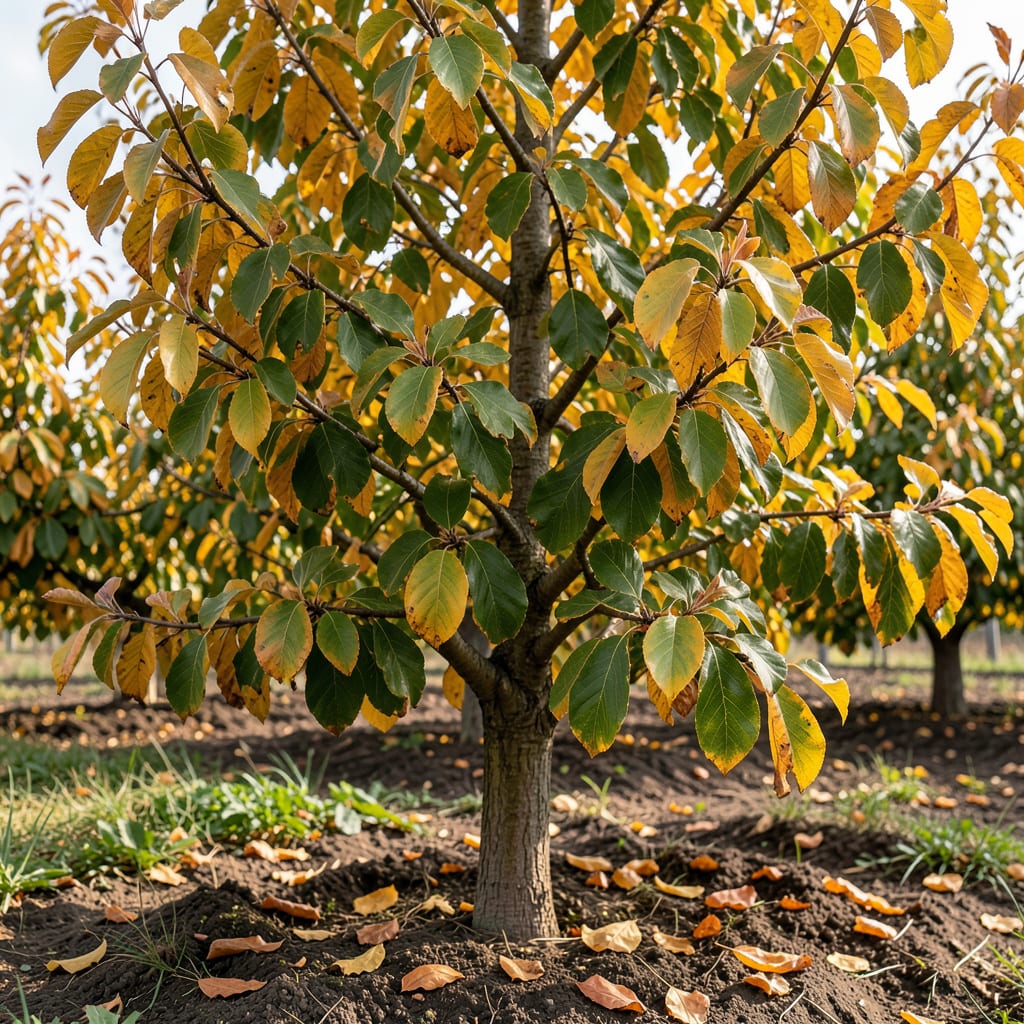
Yellow leaves on your peach tree aren’t just unsightly—they’re a warning sign. I’ve seen this happen to my own trees, and ignoring it leads to weaker growth and smaller harvests.
The causes range from overwatering to nutrient deficiencies, but the good news is most are fixable. A quick soil test and leaf examination usually reveal the culprit within 24 hours.
Organic solutions work best for long-term tree health. Adjusting your watering schedule, amending the soil, or applying natural treatments often restores that vibrant green within weeks.
Prevention is simpler than cure. Regular checks and proper care keep your peach tree thriving season after season.
Peach tree leaves turning yellow often signal underlying issues that disrupt chlorophyll production or nutrient uptake. Below are the most frequent causes, explained with actionable insights.
Yellowing leaves (chlorosis) often result from nitrogen, iron, or magnesium shortages. Nitrogen deficiency starts in older leaves, while iron deficiency (common in alkaline soils) affects younger growth first. A soil test confirms imbalances—amend with compost or chelated iron for fast correction.
Soggy roots suffocate, blocking nutrient absorption. Symptoms include yellowing leaves with wilted edges. Check soil moisture 2 inches deep—if it’s waterlogged, improve drainage with sand or organic matter. Mulch helps retain moisture without waterlogging.
Aphids, mites, and peach tree borers sap nutrients, causing yellow spots or curling. Inspect leaf undersides for pests or sticky residue (honeydew). Treat with neem oil or insecticidal soap early to prevent spread.
Peach leaf curl (caused by Taphrina deformans) distorts and yellows leaves in spring. Brown spots may indicate bacterial leaf spot. Prune infected branches and apply copper fungicide in dormancy to prevent recurrence.
Extreme heat, cold drafts, or sudden temperature swings disrupt photosynthesis. Shield trees with shade cloth in heatwaves or frost blankets in cold snaps. Consistent watering during stress periods helps maintain vigor.
If your peach tree’s leaves are turning yellow, act fast to restore its health. Below are targeted fixes for common causes, along with prevention tips to keep your tree thriving.
Yellow leaves often signal root suffocation from too much water. Let the top 2-3 inches of soil dry out between waterings. Improve drainage by:
Prevention tip: Water deeply but less frequently—about 1-2 times per week for established trees. 💡
Yellowing between leaf veins? Your tree may lack iron or nitrogen. Apply a balanced organic fertilizer (10-10-10) or:
Prevention tip: Test soil annually and amend as needed. ✨
Check undersides of leaves for aphids, mites, or scale. Blast pests off with water, then apply:
Prevention tip: Encourage ladybugs and lacewings—natural pest controllers! 🎯
For peach leaf curl or powdery mildew, remove infected leaves and:
Prevention tip: Rake and destroy fallen leaves to prevent spores from overwintering. 🌡️
New growth typically shows improvement within 2-3 weeks of addressing the issue. Older leaves may not recover fully, but fresh ones will appear healthier. Consistency in care is key for lasting results.
Yes, extreme heat or direct sunlight can stress leaves, especially in young trees. Use shade cloth during peak hours if temperatures exceed 90°F. Ensure adequate watering to combat heat stress.
Not always. Natural aging causes some yellowing, particularly in older leaves. However, widespread or sudden yellowing suggests an issue needing attention, like pests or poor drainage.
Apply copper fungicide in late winter or early spring before buds swell. This prevents spores from infecting new growth. Repeat after heavy rains for best protection.
