
Beautiful Plants For Your Interior
Beautiful Plants For Your Interior
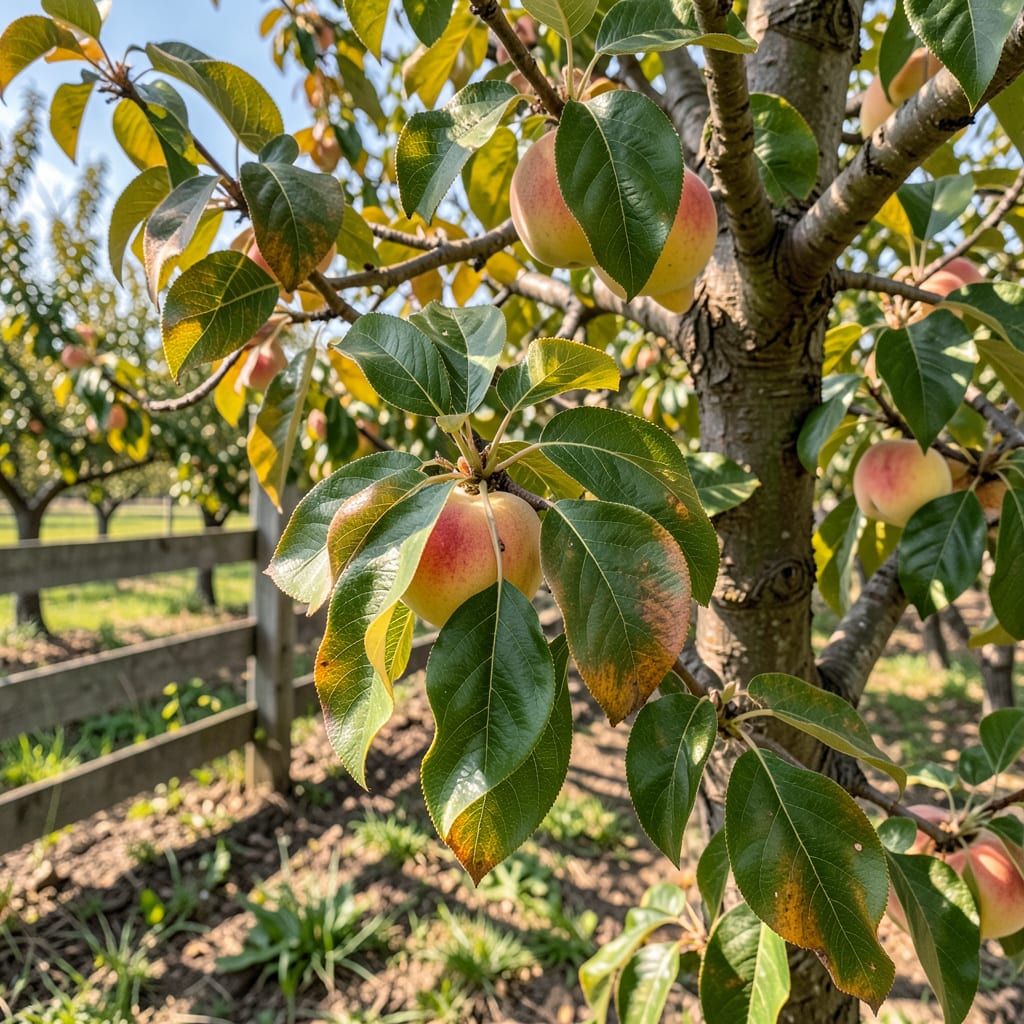
Nothing deflates a gardener faster than watching peach tree leaves twist into tight curls overnight. I’ve stood in my orchard staring at this exact problem, wondering if it was pests, disease, or just my tree throwing a tantrum.
Turns out, curled leaves usually point to one of three culprits: peach leaf curl fungus, aphid infestations, or environmental stress like overwatering. Each leaves its own signature, and the fix starts with figuring out which one you’re dealing with.
Here’s the thing—most of these issues are preventable with simple timing and care. A copper spray in late winter stops the fungus, while a strong blast of water knocks aphids off before they multiply.
By next season, your tree can be back to producing those juicy peaches instead of distress signals. Let’s diagnose and fix this together.
Curled leaves on peach trees are a common symptom of underlying stress or disease. Understanding the root causes helps you address the issue effectively. Below are the most frequent culprits behind this problem.
The primary cause is Taphrina deformans, the fungus responsible for peach leaf curl. This pathogen thrives in cool, wet conditions and infects buds during dormancy. As new leaves emerge in spring, they become distorted, thickened, and red or purple. Without treatment, the fungus weakens the tree, reducing fruit production.
Aphids and spider mites are tiny pests that suck sap from leaves, causing them to curl as a defensive response. Aphids excrete honeydew, which promotes sooty mold growth, while mites create fine webbing. Both pests are most active in warm, dry weather and can quickly spread if left unchecked.
Extreme heat or prolonged drought can stress peach trees, leading to leaf curl. High temperatures accelerate water loss, and insufficient soil moisture forces the tree to conserve water by curling its leaves. This is often accompanied by wilting or yellowing.
Lack of essential nutrients, particularly nitrogen, magnesium, or zinc, can cause leaf curling. Nitrogen deficiency leads to stunted growth and pale leaves, while magnesium deficiency results in interveinal chlorosis (yellowing between veins). Zinc deficiency often causes small, narrow leaves that curl upward.
Overuse or improper application of herbicides, pesticides, or fertilizers can burn or stress the tree, resulting in curled leaves. Always follow label instructions and avoid spraying during high temperatures or windy conditions to prevent drift.
Curled leaves on a peach tree are often fixable with the right approach. Below are targeted solutions for common causes, along with prevention tips to keep your tree healthy.
Apply copper fungicide in late winter or early spring before buds swell. If leaves are already curled, remove and destroy affected foliage to prevent spread. For organic options, try baking soda spray (1 tbsp baking soda + 1 tsp dish soap + 1 gallon water).
Prevention: 💡 Improve airflow by pruning dense branches, and avoid overhead watering to keep leaves dry.
Blast pests off with a strong water spray early in the day. For stubborn cases, use neem oil or insecticidal soap, applying in the evening to avoid harming pollinators. Introduce beneficial insects like ladybugs for natural control.
Prevention: 🎯 Encourage biodiversity in your garden and inspect leaves regularly for early signs of pests.
Water deeply 1–2 times per week during dry spells, focusing on the root zone. Mulch with organic material (e.g., wood chips) to retain moisture. If heat is the issue, provide shade cloth during peak afternoon hours.
Prevention: ✨ Maintain consistent soil moisture and avoid planting in low-lying areas where water pools.
Test soil for deficiencies (common culprits: nitrogen, zinc, or iron). Amend with compost or a balanced organic fertilizer. For iron deficiency, apply chelated iron as a foliar spray.
Prevention: 🌱 Feed your tree annually in early spring with a slow-release fertilizer tailored to fruit trees.
Act quickly at the first sign of curling, and prioritize prevention to minimize future issues. Healthy trees are less susceptible to stress and disease!
Pest damage often shows sticky residue or webbing, while fungal issues cause thick, distorted leaves with red or purple hues. Check undersides for tiny insects or white powdery spots for disease.
Apply copper fungicide in late winter or early spring before buds swell. This prevents infection before new leaves emerge. Treat again after leaf fall for next season.
Yes! Too much water suffocates roots, leading to stress and curled leaves. Water deeply 1-2 times weekly, letting soil dry slightly between waterings.
Severely damaged leaves won’t uncurl, but new growth should emerge healthy. Remove affected foliage to redirect energy to fresh leaves.
