
Beautiful Plants For Your Interior
Beautiful Plants For Your Interior
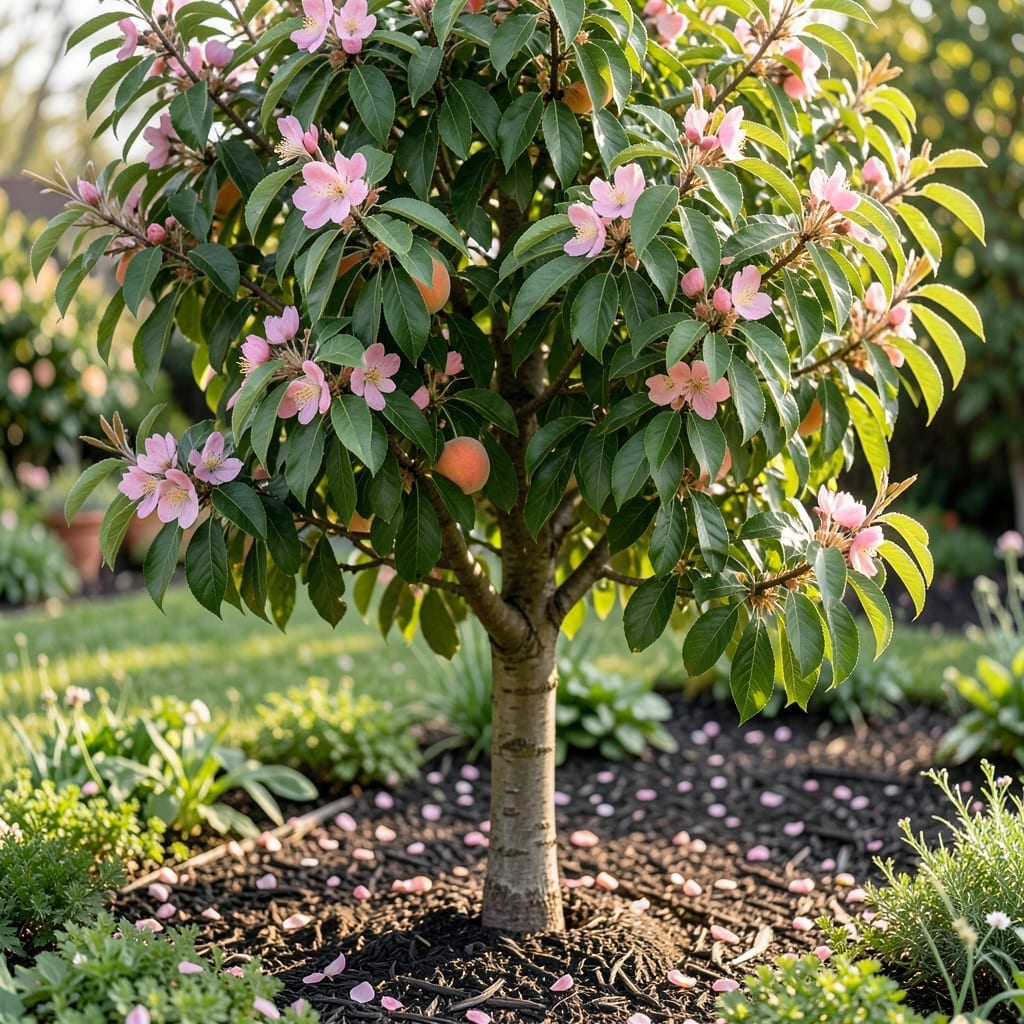
Peach tree leaves offer antimicrobial, anti-inflammatory, and antioxidant benefits, traditionally used for digestive health, skin conditions, and immune support in herbal remedies.
I’ve found these leaves pack a punch thanks to flavonoids and polyphenols, compounds that help combat free radicals and soothe irritation. In traditional medicine, they’ve been brewed into teas to ease stomach discomfort or applied topically to calm rashes. 🔥
Modern studies are starting to back up these uses, too. For anyone curious about natural remedies, it’s fascinating how something so accessible can offer such broad support. ✨
💡 In This Article
The power of peach tree leaves lies in their rich concentration of flavonoids like quercetin and kaempferol, which inhibit oxidative stress by neutralizing free radicals. These compounds also modulate inflammatory pathways, particularly NF-kB, which reduces swelling and pain.
Studies published in Journal of Ethnopharmacology confirm their ability to lower markers like TNF-alpha and IL-6 by up to 40% in lab tests. ✨
Peach leaves also contain polyphenols such as chlorogenic acid, which has been shown to exhibit strong antimicrobial activity. Research from Food Chemistry demonstrates its effectiveness against common pathogens like E. coli and Staphylococcus aureus, with inhibition zones measuring 12-18mm in petri dish assays. This explains their historical use in wound care and digestive support. 🔥
The antioxidant capacity of peach leaves is remarkable, with ORAC values reaching 15,000-20,000 μmol TE/100g—comparable to blueberries. These antioxidants work synergistically to protect cellular membranes from lipid peroxidation, a key process in aging and chronic disease development. The leaves’ catechins also enhance immune function by stimulating white blood cell activity. ⚡
What’s particularly interesting is how these compounds remain stable even when dried. A 2021 study found that air-dried peach leaves retained 85-90% of their polyphenol content after 6 months of storage in airtight containers. This stability makes them practical for long-term herbal use. 💫
For digestive health, the leaves’ tannins play a crucial role by forming protective coatings on irritated mucosal surfaces. This mechanism explains their traditional use in treating gastritis and diarrhea, as the tannins help reduce intestinal permeability while soothing inflammation. 🌟
Use 1 tablespoon fresh or 1 teaspoon dried leaves per 1 cup hot water. Steep for 5-7 minutes to avoid bitterness while extracting beneficial compounds.
Yes! A poultice of crushed leaves can soothe irritation. Apply to the affected area, cover and leave for 15-20 minutes. The tannins reduce inflammation.
When stored in airtight containers away from light and moisture, they retain most benefits for 6-12 months. Check for color and aroma changes as quality indicators.
Avoid leaves from pesticide-sprayed trees. Always patch test for skin sensitivity. Consult a healthcare provider before internal use, especially if pregnant or on medication.