
Beautiful Plants For Your Interior
Beautiful Plants For Your Interior
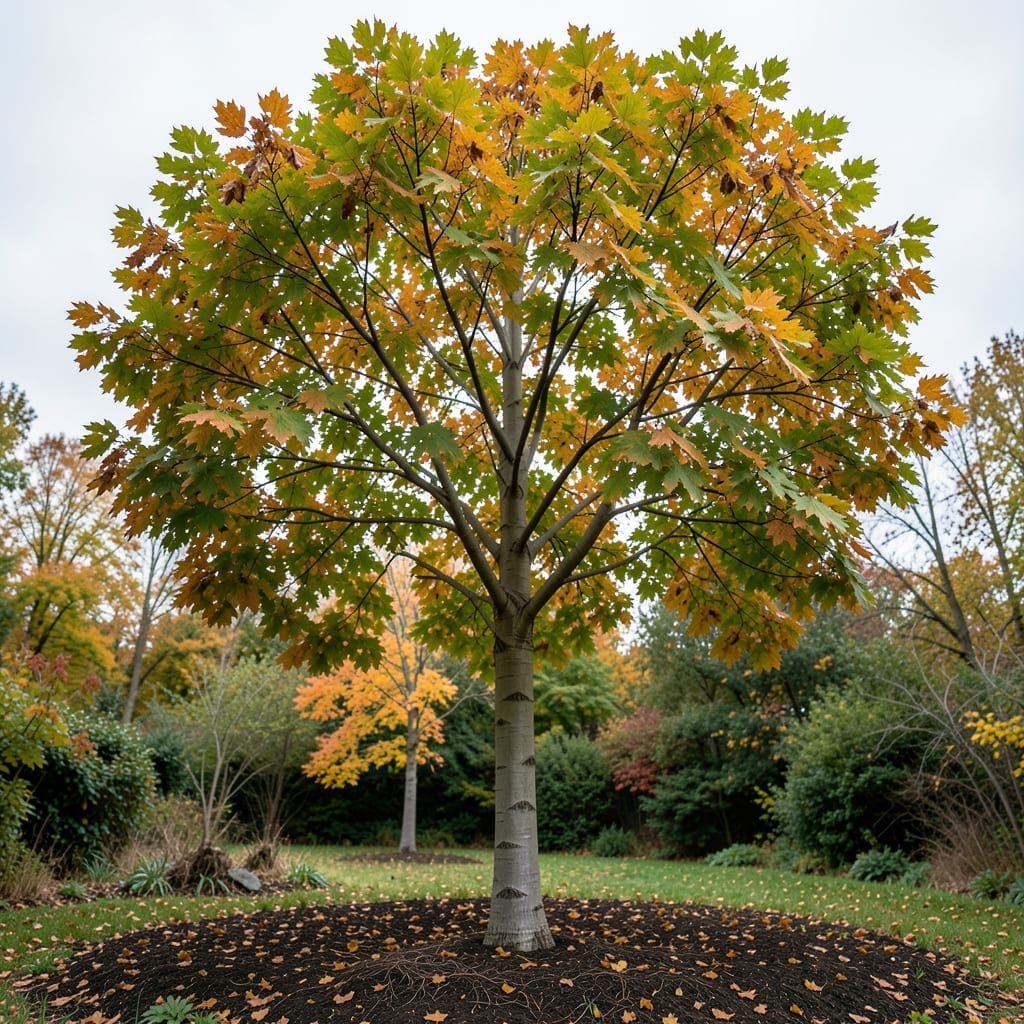
Poplar tree leaves transform in fall, shifting from green to vibrant yellow, golden, or occasionally orange hues as chlorophyll breaks down and carotenoids become visible.
This seasonal shift happens because cooler temperatures and shorter days trigger chlorophyll production to slow down. 🌟 As the green pigment fades, the hidden yellow and orange carotenoids shine through, creating that stunning autumn display. I’ve noticed poplars often change earlier than other trees, making them a reliable sign that fall is on its way.
💡 In This Article
The process begins with chlorophyll, the green pigment that dominates during growing seasons. It absorbs blue and red light wavelengths for photosynthesis but masks other pigments. As days shorten and temperatures drop below 50°F, trees slow chlorophyll production to conserve energy, causing the green to fade.
This reveals the carotenoids—yellow and orange pigments—that were present all along but hidden by chlorophyll’s dominance. ✨
Carotenoids aren’t the only players. Some poplar varieties produce anthocyanins in fall, creating red or purple tinges under specific conditions. These pigments form when sugars get trapped in leaves after chlorophyll breaks down, triggered by bright light and excess plant sugars.
The combination of carotenoids and anthocyanins can produce stunning orange hues, though yellow dominates in most poplar species. 🌟
Environmental factors fine-tune the display. A warm, wet fall often leads to more vibrant colors, while early frosts can cause leaves to drop prematurely. Poplars in full sun typically show more intense coloration than those in shade.
The timing also varies by species—quaking aspens (a poplar type) often turn golden by late September, while black poplars may hold their green until October. ⚡
What most people don’t realize is that these color changes serve a purpose. The breakdown of chlorophyll allows trees to resorb valuable nutrients like nitrogen and phosphorus from leaves before shedding them. This nutrient recycling is crucial for the tree’s survival during winter dormancy.
The brilliant colors we admire are essentially the tree’s way of efficiently preparing for winter. 💫
The intensity of poplar fall colors can indicate tree health. Stress from drought or disease may cause premature color change or leaf drop. Conversely, a tree with particularly vibrant foliage is often well-nourished and properly hydrated. This is why proper care throughout the growing season can enhance the autumn display. 🔥
As days shorten and temperatures drop below 50°F, chlorophyll breaks down, revealing yellow carotenoids that were always present. This natural process helps trees conserve energy for winter dormancy.
Some varieties produce red or orange hues when anthocyanins form under bright light and excess sugar conditions. However, most poplars display vibrant yellow or golden tones in fall.
Poplar leaves typically begin changing in late September and peak in early October. The display lasts 2-3 weeks before leaves drop, though timing varies by species and climate.
No, timing differs by species. Quaking aspens often turn golden by late September, while black poplars may hold their green until October. Location and weather also affect the schedule.