
Beautiful Plants For Your Interior
Beautiful Plants For Your Interior
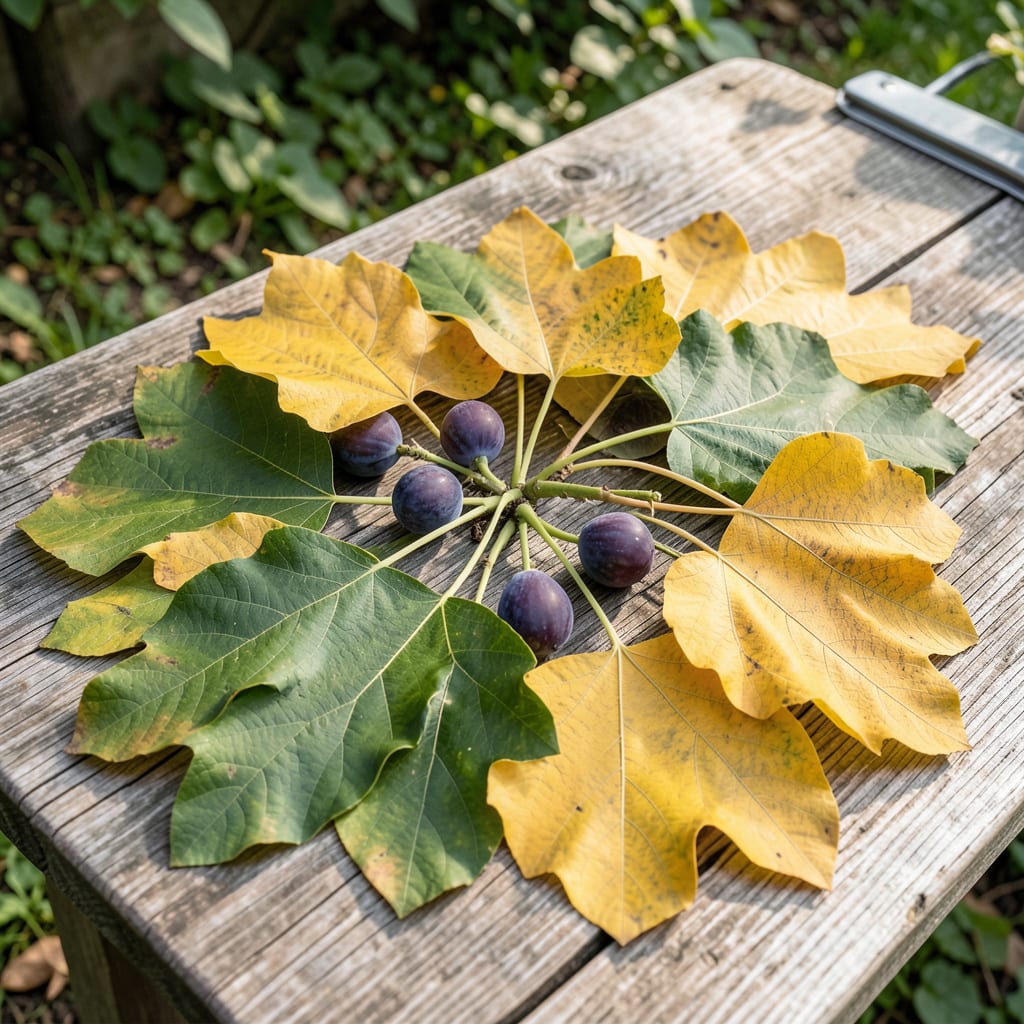
Yellow leaves on your fig tree aren’t just unsightly—they’re a cry for help. I’ve seen this happen to mine more times than I’d like to admit, and it always comes down to a few common culprits.
It starts with the basics: too much or too little water, poor drainage, or soil that’s missing key nutrients. My figs perk up within 2 weeks once I adjust the watering schedule or add a balanced fertilizer.
Pests and diseases can also trigger yellowing, but they usually leave other clues like spots or webbing. The good news? Most issues are fixable with simple tweaks to your care routine.
Early action makes all the difference. Left unchecked, yellow leaves can signal a bigger problem brewing beneath the surface.
Fig trees are hardy, but their leaves can turn yellow due to several avoidable stressors. Below are the most common causes, explained with actionable insights.
Yellowing often signals a lack of nitrogen, magnesium, or iron. Nitrogen deficiency starts in older leaves, turning them uniformly pale yellow. Magnesium shortage causes interveinal chlorosis—yellowing between green veins—while iron deficiency affects younger leaves first. Test soil with a kit (pH 6.0–6.5 is ideal) and amend with compost or targeted fertilizers like Epsom salt (magnesium) or chelated iron.
Soggy roots suffocate, blocking nutrient uptake. Symptoms include yellowing leaves that may also wilt or drop. Check soil moisture 2 inches deep—if it’s waterlogged, improve drainage with perlite or sand. Water only when the top 1–2 inches of soil are dry, and ensure pots have drainage holes.
Extreme heat, cold drafts, or sudden light changes stress fig trees. Heat stress causes leaf edges to yellow and crisp, while cold drafts (below 50°F) trigger uniform yellowing. Move potted figs to stable environments (65–75°F) and acclimate them gradually to outdoor conditions.
Sap-sucking pests like spider mites, aphids, or scale drain nutrients, leading to stippled yellow spots. Inspect leaf undersides for webs or sticky residue. Treat with neem oil or insecticidal soap weekly until pests are gone.
Once you’ve identified the cause, these targeted fixes can restore your fig tree’s vibrant green foliage. Address each issue promptly to prevent further stress.
Let the top 1–2 inches of soil dry out between waterings. If the pot lacks drainage holes, repot your fig tree into a container with proper drainage. For in-ground trees, amend heavy clay soil with compost to improve drainage. Prevention tip: 💡 Use a moisture meter to avoid guesswork.
Move potted figs to a spot with dappled sunlight or use shade cloth during peak afternoon hours. For planted trees, consider temporary shading with a light fabric. Prevention tip: 🌡️ Acclimate young trees gradually to full sun to avoid shock.
Apply a balanced, slow-release fertilizer (10-10-10) in early spring. For nitrogen deficiency (pale yellow leaves), use a higher-nitrogen formula. Yellowing with green veins? A magnesium or iron supplement (like Epsom salt) can help. Prevention tip: ✨ Test soil annually to catch deficiencies early.
Spray leaves with neem oil or insecticidal soap to combat spider mites, aphids, or scale. For severe cases, prune heavily infested branches. Prevention tip: 🎯 Regularly inspect undersides of leaves for early signs of pests.
If yellowing follows a move or temperature swing, minimize further stress. Keep indoor figs away from drafts or heat sources. Outdoor trees may need mulch to regulate soil temperature. Prevention tip: 🌱 Transplant or relocate trees during dormancy (late winter) for smoother adjustment.
Water when the top 1-2 inches of soil feel dry. Typically, this means watering every 7-10 days in moderate weather. Reduce frequency in cooler months or if your soil retains moisture well.
Unfortunately, once leaves turn yellow, they won’t recover. However, fixing the underlying issue will help your tree produce new, healthy green leaves within 2-3 weeks.
A balanced 10-10-10 fertilizer works well for most cases. For nitrogen deficiency, switch to a higher-nitrogen formula like 20-10-10. Always follow package instructions to avoid over-fertilizing.
Remove only severely damaged or diseased leaves right away. If just the edges are yellow, wait to see if the leaf recovers after adjusting care. Pruning too much can stress the tree further.
