
Beautiful Plants For Your Interior
Beautiful Plants For Your Interior
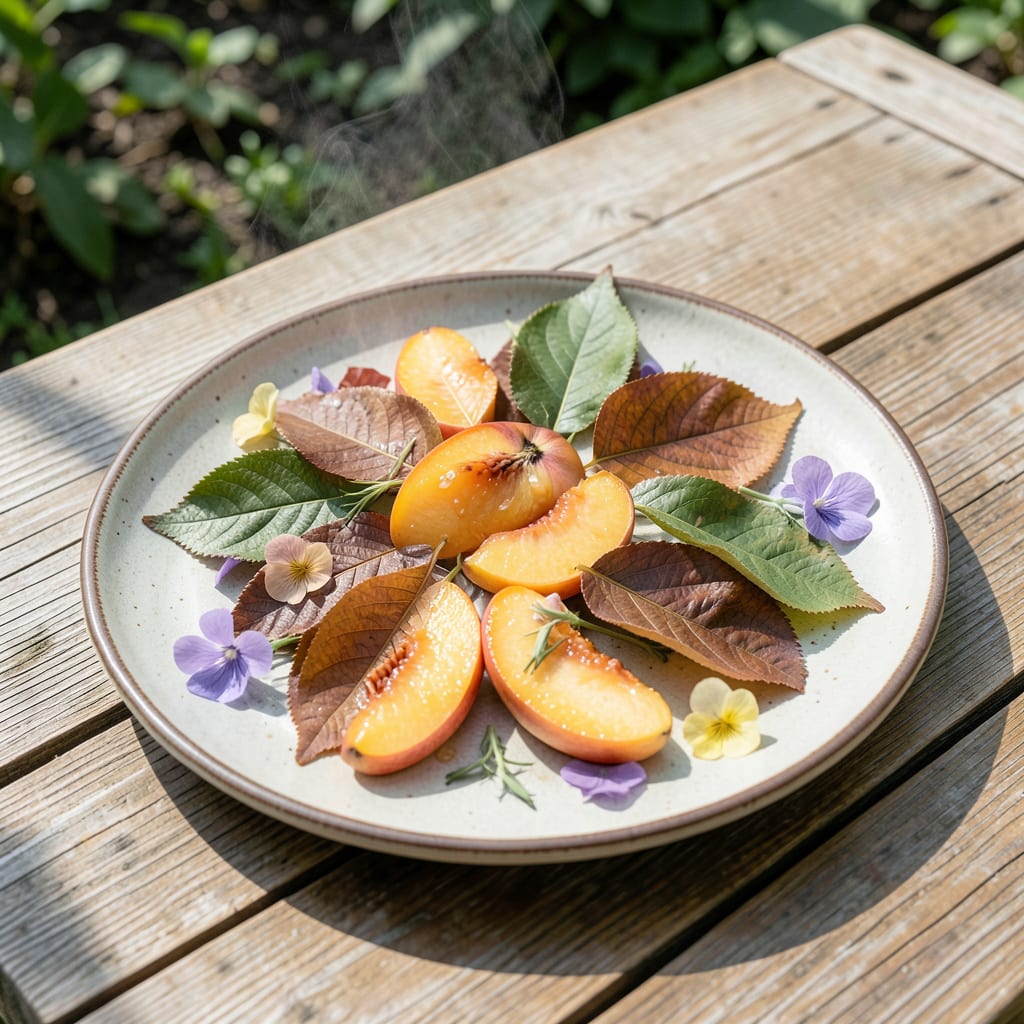
Nothing sinks your heart faster than watching peach tree leaves droop overnight. I’ve lost three seasons of fruit to this before learning the early warning signs—curling edges, yellowing between veins, then that telltale wilt.
Most cases trace back to two culprits: fungal infections thriving in wet weather or roots drowning from overwatering. The fix starts with stopping the water and checking drainage, then moves to organic sprays if fungus is confirmed.
With the right approach, you’ll see leaves perk up within 48 hours. The tree recovers, and you save the harvest. No chemicals needed, just observation and quick action.
Works for young saplings and mature trees alike. Here’s how to diagnose and treat it before the damage spreads.
Peach tree leaf wilt often stems from a mix of environmental stress, pathogens, or cultural mismanagement. Below are the most common causes, explained with actionable insights.
Both drought and waterlogging disrupt a peach tree’s vascular system. Overwatering suffocates roots, reducing oxygen uptake and nutrient transport, while underwatering leads to cellular dehydration. Roots in soggy soil are also more prone to Phytophthora root rot, a fungal disease that directly triggers wilt. Fix it: Ensure well-draining soil and water deeply but only when the top 2–3 inches of soil are dry.
Pathogens like Verticillium or Fusarium wilt fungi invade the xylem, blocking water flow. Bacterial leaf scorch (Xylella fastidiosa) also clogs vascular tissues. Symptoms include yellowing, browning, and sudden wilting, often starting at the canopy’s top. Prevent it: Remove infected branches immediately, sterilize pruning tools with 70% isopropyl alcohol, and apply copper-based fungicides preventatively in early spring.
Heatwaves above 90°F (32°C) or frost damage can shock peach trees, causing rapid leaf wilt. High temperatures increase transpiration, overwhelming the roots’ ability to supply water. Meanwhile, late frosts damage new growth, leading to necrosis. Mitigate it: Use shade cloth during heat spikes and protect young trees with frost blankets in cold snaps.
Compacted or nutrient-poor soil weakens trees, making them susceptible to wilt. A deficiency in potassium (vital for water regulation) or magnesium (key for chlorophyll production) often mimics disease symptoms. Test it: Conduct a soil test and amend with compost or organic potassium sources like greensand if levels are low.
When your peach tree’s leaves start drooping, act quickly to save its health. Below are targeted fixes for the most common causes, plus prevention tips to keep your tree thriving.
If dry soil is the culprit, give your tree a deep soak at the base (not the leaves) to encourage strong root growth. Water slowly for 30–45 minutes, 2–3 times per week, depending on heat. Prevention tip: 💡 Mulch with 2–3 inches of organic matter to retain moisture and regulate soil temperature.
Soggy roots suffocate and wilt leaves. Stop watering immediately and check drainage. If the soil stays wet, amend with compost or create small mounds around the base to redirect water. For potted trees, ensure drainage holes are clear. Prevention tip: ✨ Use a moisture meter to water only when the top 2–3 inches of soil are dry.
Fungi like Verticillium or Phytophthora cause wilting. Remove infected leaves and branches (sterilize pruners with rubbing alcohol!). Apply neem oil or a baking soda spray (1 tbsp baking soda + 1 tsp dish soap + 1 gallon water) every 7–10 days. Prevention tip: 🎯 Space trees for airflow and avoid overhead watering to reduce fungal spores.
Sap-sucking pests (aphids, borers) stress trees, leading to wilt. Blast off aphids with water or introduce ladybugs. For borers, apply kaolin clay as a barrier. Prevention tip: 🌡️ Inspect leaves weekly and prune dead wood where pests hide.
Yellowing + wilting often signals a lack of nitrogen or potassium. Test your soil and amend with compost or a balanced organic fertilizer. Prevention tip: ✨ Feed trees in early spring and mid-summer for steady nutrient supply.
With proper treatment, leaves often perk up within 24-48 hours. If the cause is water stress or heat shock, recovery can be rapid once conditions improve.
Yes, too much fertilizer burns roots, preventing water uptake. Always follow package instructions and test soil before adding more nutrients.
Not always—environmental stress like drought or extreme heat can mimic disease symptoms. Check soil moisture and temperature before assuming it’s fungal or bacterial.
Prune immediately if you suspect fungal infection, using sterilized tools. Avoid heavy pruning during active growth periods to prevent further stress.
