
Beautiful Plants For Your Interior
Beautiful Plants For Your Interior
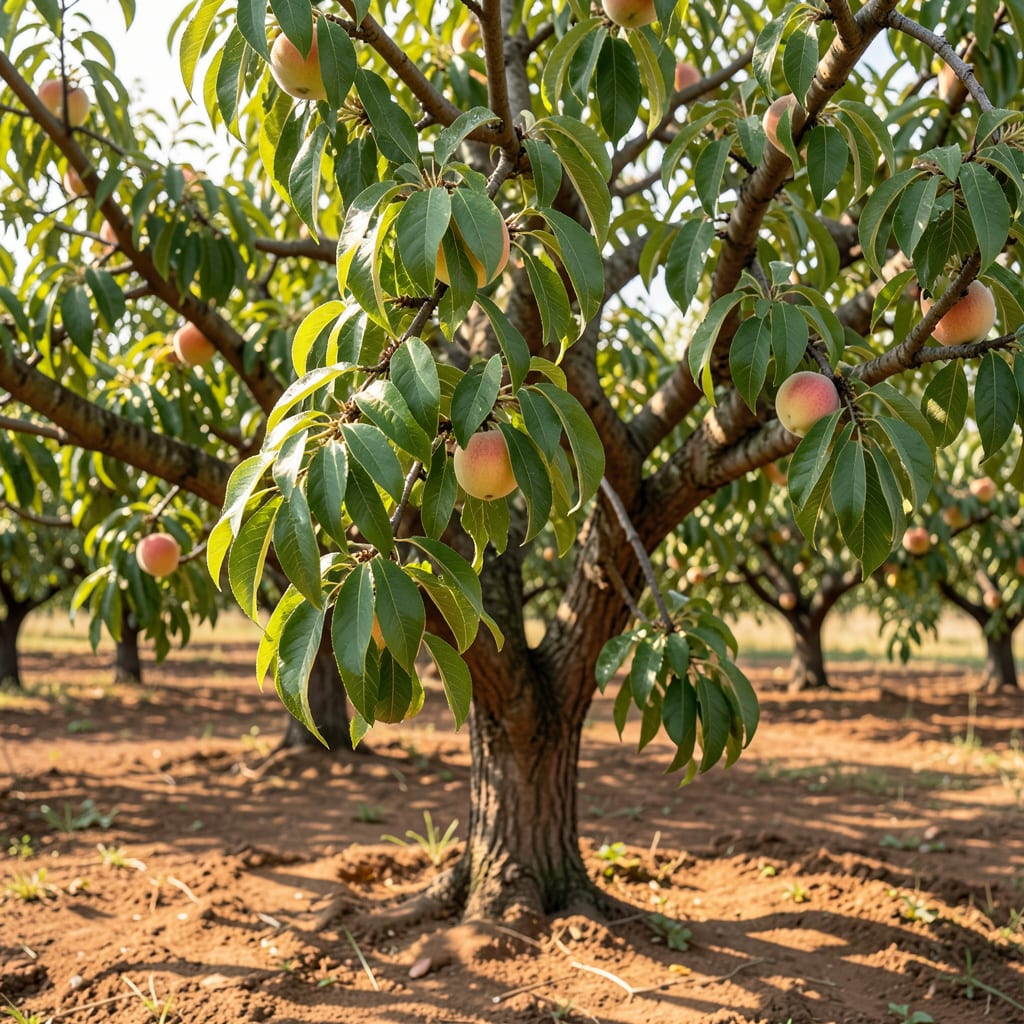
Nothing hits harder than seeing your peach tree’s leaves suddenly drooping like they’ve given up. I’ve been there—standing in the orchard, wondering if I just lost a season’s worth of fruit.
Here’s the thing—it’s almost always fixable. Most cases come down to water stress, pests, or disease, and the solution is simpler than you’d think. The key is diagnosing which one’s the culprit before it spreads.
You’ll spot the difference fast: underwatered leaves feel crisp, overwatered ones turn yellow, and pest-damaged leaves show holes or spots. Each has a different fix that works in 24-48 hours.
Fair warning: the longer you wait, the harder it gets. Let’s figure out what’s wrong and get those leaves perking back up.
Peach tree leaves drooping is often a sign of underlying stress. Here are the most common causes, explained with actionable insights:
Peach trees need consistent moisture—too much or too little disrupts their vascular system. Underwatering causes leaves to wilt as the tree conserves water, while overwatering suffocates roots, blocking nutrient uptake. Check soil moisture 2 inches deep; it should feel damp but not soggy.
Taphrina deformans, the fungus behind peach leaf curl, thrives in cool, wet springs. It infects new leaves, causing red blisters, distortion, and drooping. Spray copper fungicide in late winter (before buds swell) to prevent spores from taking hold.
Sap-sucking pests like aphids and scale insects weaken trees by draining nutrients, leading to yellowing and drooping foliage. Inspect leaf undersides for sticky residue (honeydew) or black sooty mold. Treat with neem oil or insecticidal soap at first signs.
Sudden temperature swings (late frosts or heatwaves) or transplant shock can stress peach trees, causing temporary drooping. Mulch heavily to stabilize soil temperature, and avoid planting during extreme weather.
A lack of nitrogen (pale leaves) or potassium (leaf edge scorching) may contribute to weak, drooping foliage. Test soil and amend with a balanced fertilizer (10-10-10) or organic compost in early spring.
Address drooping peach tree leaves with these targeted fixes for each common cause:
Give your tree a slow, deep soak at the base (1–2 inches of water per week). Use a drip irrigation system or soaker hose to encourage deep root growth. Prevention tip: Mulch with 2–3 inches of organic material (wood chips or straw) to retain moisture. 💡 Check soil by inserting a finger 2 inches deep—if dry, it’s time to water.
Stop watering immediately and let the soil dry out. If the soil is soggy, amend it with compost or sand to improve drainage. For potted trees, ensure the container has drainage holes. Prevention tip: Water only when the top 2–3 inches of soil are dry. Use a moisture meter for precision. 🌡️
For aphids or scale insects, spray leaves with a neem oil solution (1 tbsp oil + 1 tsp dish soap per gallon of water) every 7–10 days. For severe cases, use insecticidal soap or horticultural oil. Prevention tip: Encourage beneficial insects like ladybugs and lacewings. ✨ Inspect leaves weekly for early signs of pests.
Remove infected leaves and branches with sterilized pruners and dispose of them far from the tree. Apply a copper-based fungicide or sulfur spray, following label instructions. Prevention tip: Thin out branches to improve airflow and avoid overhead watering. 🎯 Space trees at least 10–15 feet apart to reduce humidity around foliage.
Use a balanced fertilizer (10-10-10) or one high in nitrogen if leaves are pale. Apply in early spring and mid-summer, following package rates. Prevention tip: Test soil annually and amend with compost or organic matter. 📊 Avoid over-fertilizing, as it can burn roots and worsen stress.
Deep water 1–2 times per week, providing 1–2 inches total. Always check soil 2 inches deep first—if damp, wait. Consistent moisture is key, not frequency.
If caused by temporary stress like heat or transplant shock, yes—they often bounce back in 24–48 hours with proper care. Chronic issues need intervention.
Excess fertilizer burns roots, blocking water uptake. Stick to balanced (10-10-10) and test soil annually. Less is more with nutrients.
Check leaves for pests, soil for moisture, and branches for fungus. Underwatered leaves feel crisp; overwatered ones turn yellow.
