
Beautiful Plants For Your Interior
Beautiful Plants For Your Interior
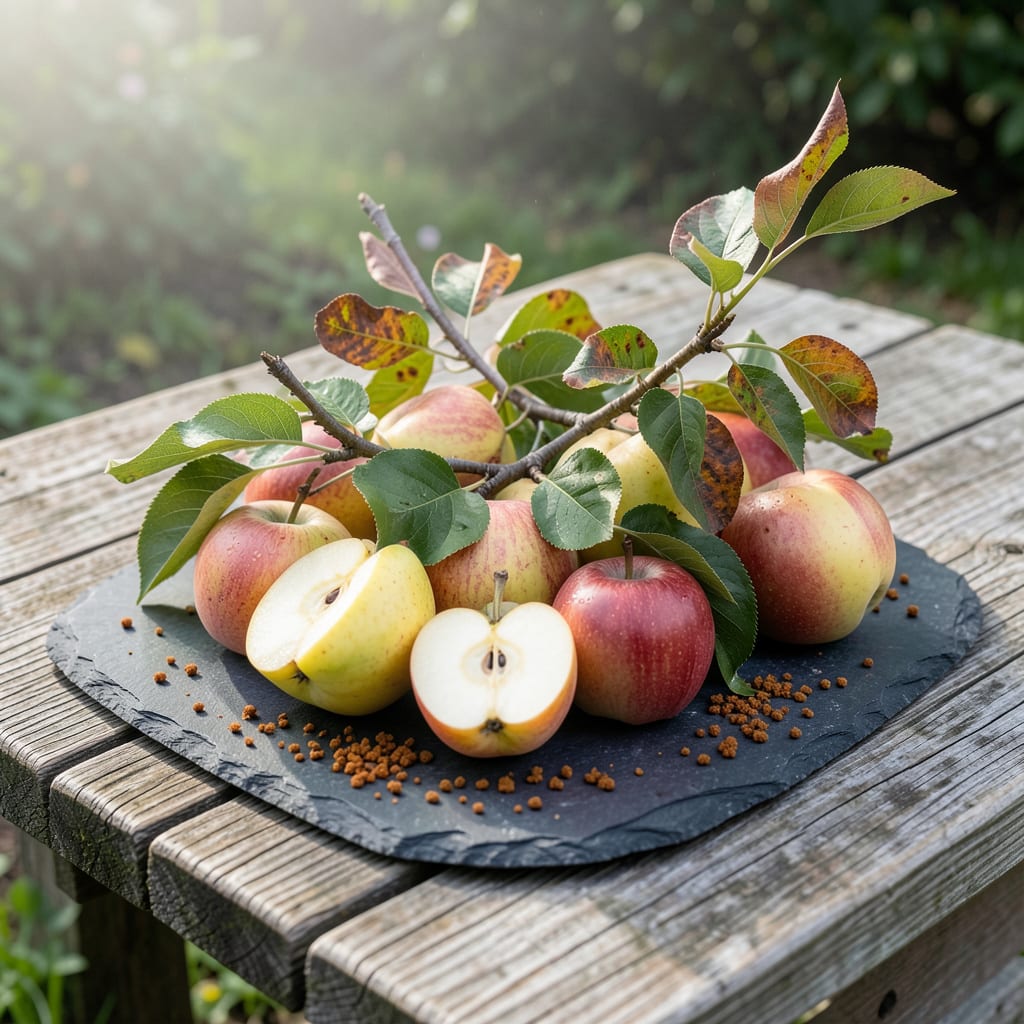
That orange dust on your pear tree leaves isn’t dirt. I’ve seen rust disease sneak up on even the healthiest trees, turning vibrant foliage into a sickly mess by midsummer.
Catching it early is everything. The spots start small—yellowish on top, rusty underneath—then spread fast if left alone. Your tree weakens, fruit quality drops, and next season’s harvest suffers.
Here’s the thing—organic treatments do work if you start before it takes over. I’ve saved my trees with simple sprays and smart pruning, no harsh chemicals needed.
This approach keeps your pears productive and your garden ecosystem intact. Let’s tackle it before it spreads.
Rust on pear trees is a fungal disease caused by Gymnosporangium sabinae, which thrives under specific environmental and biological conditions. Understanding the root causes helps in prevention and targeted treatment. Below are the primary factors that lead to its development:
Prolonged leaf wetness is the most critical trigger. The fungus requires 6–8 hours of continuous moisture on leaves to germinate and infect. Frequent rain, overhead irrigation, or high humidity (above 80%) create ideal conditions. Trees in poorly drained soil or crowded plantings with limited airflow are especially vulnerable.
The pathogen is most active in cool to moderate temperatures (50–75°F or 10–24°C). Spring and early summer, when days are warm but nights are cool and dewy, are peak infection periods. Sudden temperature drops can also stress trees, weakening their natural defenses against fungal spores.
The fungus overwinters on juniper hosts (its alternate host) as hard, gall-like structures. In spring, these release spores that travel via wind to pear trees. If junipers are present within 1–2 miles of your orchard, the risk of infection skyrockets. Pruning or removing nearby junipers can break this cycle.
Dense canopies or overcrowded plantings trap moisture and limit sunlight penetration, both of which encourage fungal growth. Trees with improper pruning (e.g., excessive inward-growing branches) are more susceptible. Thinning branches to improve airflow is a key preventive measure.
Trees deficient in potassium or phosphorus have weaker cell walls, making them more prone to fungal entry. Conversely, excessive nitrogen can promote lush, soft growth that’s easily infected. A balanced soil test helps identify and correct deficiencies before rust takes hold.
Rust on pear trees is manageable with the right approach. Below are targeted solutions for each cause, along with prevention tips to keep your trees healthy.
If rust is caused by fungal spores, prune infected leaves and branches immediately using sterilized shears. Dispose of the clippings in sealed bags to prevent further spread. Apply a copper-based fungicide or neem oil as a natural alternative. Prevention tip: 💡 Improve air circulation by spacing trees properly and avoiding overhead watering.
Dense canopies trap moisture, creating a breeding ground for rust. Thin out overlapping branches to allow sunlight and air to penetrate. Focus on the tree’s center first. Prevention tip: ✨ Prune during dry weather to minimize fungal exposure, and clean up fallen debris regularly.
Excess moisture fuels rust development. Water pear trees at the base early in the morning to give foliage time to dry. Use drip irrigation for precise delivery. Prevention tip: 🎯 Check soil moisture before watering—stick your finger 2 inches deep; if it’s damp, hold off.
Fallen leaves can harbor rust spores over winter. Rake and remove all leaf debris from around the tree in late autumn. Compost only disease-free material. Prevention tip: 🌱 Apply a layer of mulch (but keep it 6 inches away from the trunk) to suppress spores in the soil.
Stressed trees are more susceptible to rust. Strengthen them with balanced organic fertilizer and proper pruning. Ensure they receive full sunlight (6+ hours daily). Prevention tip: 💪 Test soil pH—pear trees thrive in slightly acidic to neutral soil (6.0–7.0). Amend as needed.
Yes, left untreated, rust can weaken your tree and reduce fruit quality. The fungus spreads quickly in wet conditions, so early action is key.
A baking soda solution (1 tablespoon per gallon of water) or neem oil spray works well for mild cases. Apply weekly during damp weather.
Remove all fallen leaves in autumn, prune for airflow, and avoid overhead watering. Planting resistant varieties also helps long-term.
Rust spores can travel via wind but only infect pear trees and junipers. Keep these plants separated by at least 1–2 miles to break the cycle.
