
Beautiful Plants For Your Interior
Beautiful Plants For Your Interior
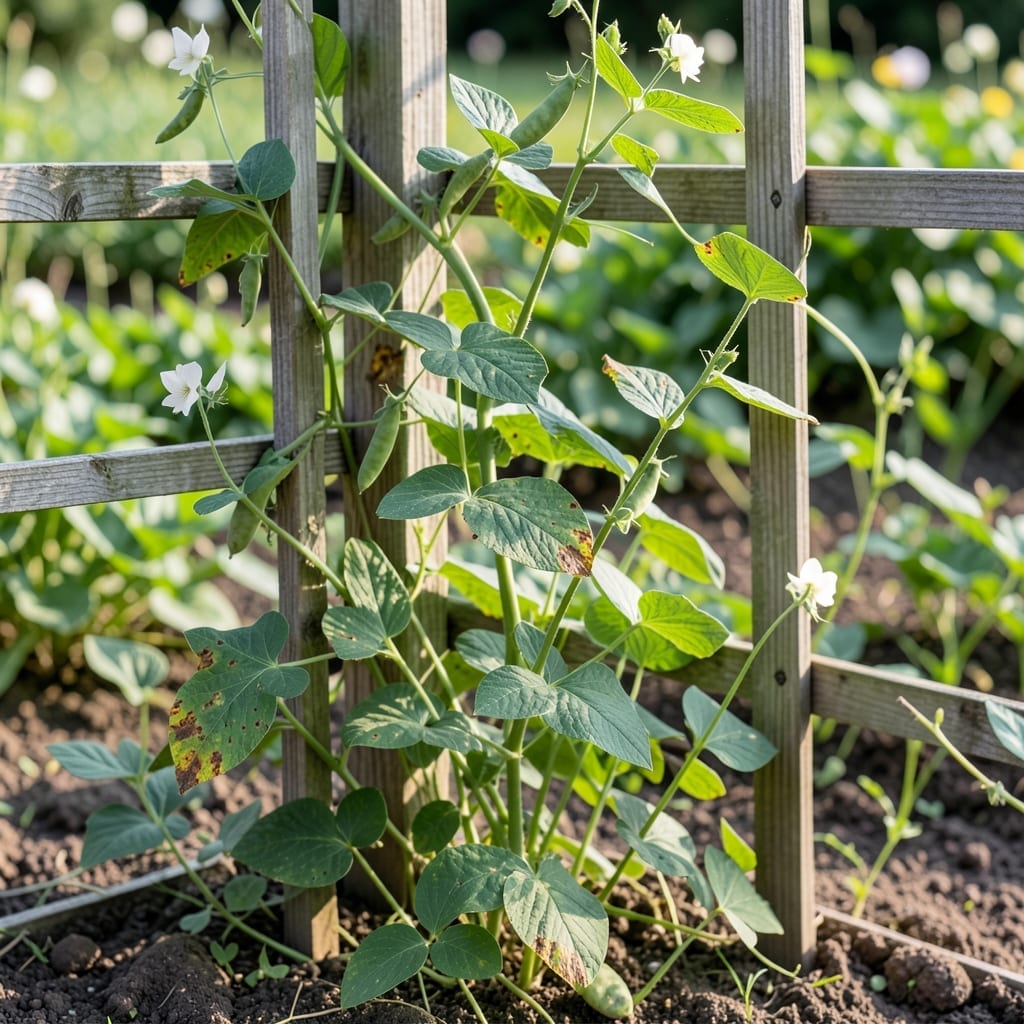
Yellow spots on peach leaves last summer nearly ruined my crop. This disease spreads fast, turning beautiful foliage into a spotted mess before defoliation hits.
I learned the hard way that early detection is everything. Catching those first orange pustules means the difference between saving your tree and watching it decline through midsummer.
Organic treatments work surprisingly well if you act quickly. Copper sprays and neem oil stop the spread without harsh chemicals, and proper pruning prevents future outbreaks.
Healthy trees resist better. Consistent watering, good airflow, and seasonal clean-up keep your peaches productive and your leaves vibrant green all season.
Peach leaf rust, caused by the fungus Tranzschelia discolor, thrives under specific environmental and cultural conditions. Understanding these triggers helps in prevention and management.
Prolonged leaf wetness is the primary catalyst. The fungus requires 6–12 hours of continuous moisture to infect leaves, especially in temperatures between 50–75°F (10–24°C). Overhead irrigation, poor drainage, or high humidity (above 80%) create ideal conditions for spore germination.
Dense foliage restricts airflow, trapping moisture and slowing leaf drying. Prune peach trees annually to improve air circulation and reduce humidity within the canopy. This simple step can significantly lower infection rates.
The fungus overwinters in fallen leaves and twigs. If not removed, these debris release spores in spring, reinfecting new growth. Always rake and destroy (do not compost) infected plant material to break the disease cycle.
Some peach cultivars lack genetic resistance to T. discolor. Varieties like ‘Redhaven’ or ‘Elberta’ are more vulnerable. If rust is a recurring issue, consider planting resistant types like ‘Reliance’ or ‘Contender’.
Tackling peach leaf rust starts with identifying and addressing its root causes. Below are targeted solutions for common triggers, paired with prevention tips to keep your trees healthy.
Prune and destroy all infected leaves and branches as soon as you spot yellow-orange pustules. Use sterilized pruning shears to avoid spreading spores. Burn or bag the debris—never compost it, as spores can survive and reinfect.
Prevention tip: 💡 Improve air circulation by thinning crowded branches. Space trees at least 10–15 feet apart to reduce humidity buildup, which fungi love.
Switch to drip irrigation or water at the base of the tree to keep foliage dry. Avoid overhead watering, especially in the evening, as prolonged leaf wetness encourages spore germination.
Prevention tip: 🌡️ Water early in the morning so leaves dry quickly in the sunlight. Mulch around the base to prevent soil splashing, which can spread spores upward.
Strengthen your tree’s defenses with a balanced fertilizer (10-10-10) and organic amendments like compost. Healthy trees are less susceptible to infections. Test soil pH—peaches thrive in slightly acidic soil (6.0–6.5).
Prevention tip: ✨ Apply a copper fungicide spray (organic-approved) in early spring as leaves emerge, then reapply every 2–3 weeks during wet seasons.
Rake and remove all fallen leaves and fruit from under the tree in autumn. Fungal spores overwinter in this debris and can reinfect the tree the following year.
Prevention tip: 🎯 Lay down a fresh layer of mulch after cleanup to smother any lingering spores and suppress weeds that harbor moisture.
Look for small yellow spots on upper leaf surfaces. These develop into orange pustules on the undersides. Early detection prevents severe defoliation.
Yes! A baking soda solution (1 tbsp per gallon of water) can help. Neem oil is another effective organic option. Apply weekly during wet seasons.
Apply copper fungicide in early spring as leaves emerge. Repeat every 2-3 weeks during wet weather. Morning applications work best.
No, damaged leaves won’t heal. Remove and destroy them immediately to prevent spore spread. Healthy new growth will replace them.