
Beautiful Plants For Your Interior
Beautiful Plants For Your Interior
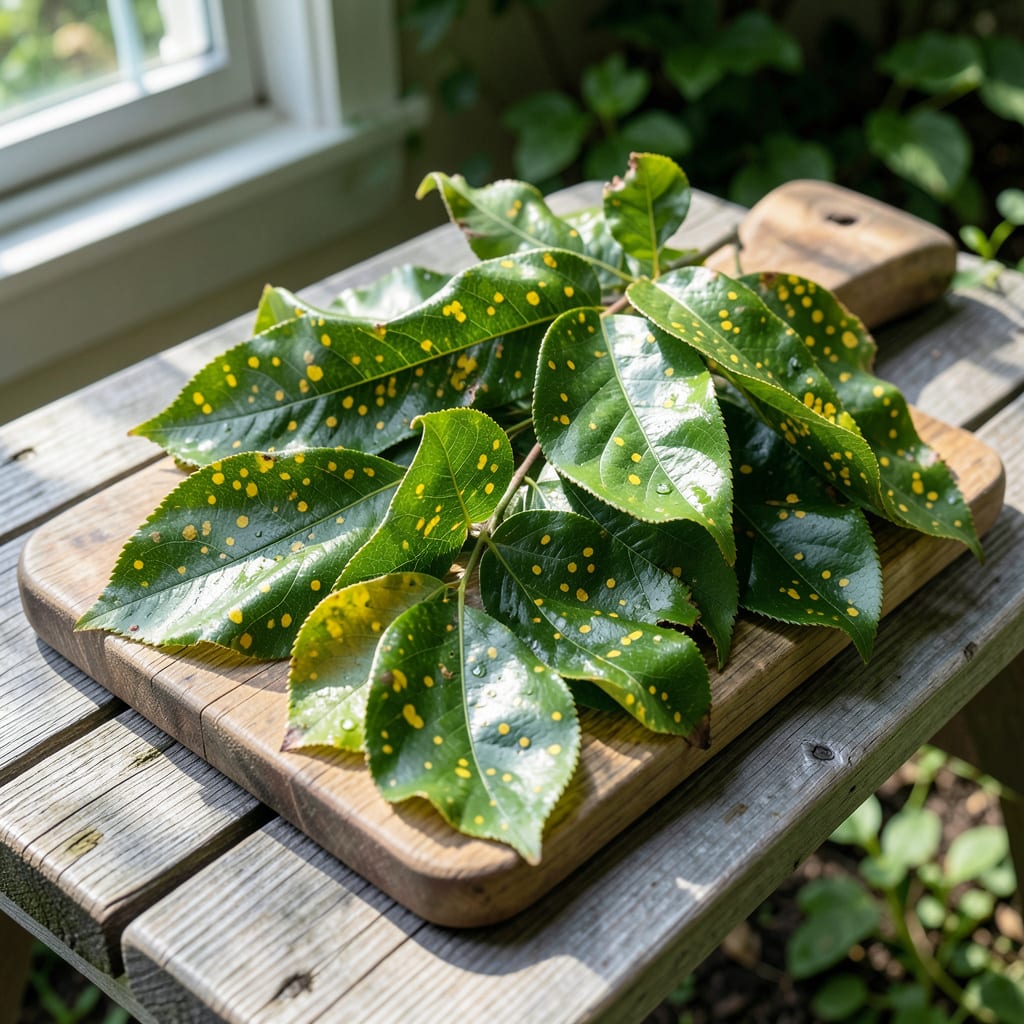
Yellow spots on your peach tree leaves aren’t just unsightly—they’re a warning. I first noticed them on my own tree after a wet spring, and ignoring them cost me half my harvest.
These spots often signal fungal infections like peach leaf curl or bacterial leaf spot. But nutrient deficiencies and pest damage can look similar, so proper diagnosis saves time and money. A quick inspection of the leaf pattern and tree health narrows it down fast.
Early treatment with copper fungicide or organic options like neem oil can stop the spread. Prevention is even simpler: clean up fallen leaves and improve air circulation around the tree.
With the right approach, your tree can recover and still produce a full harvest this season.
Yellow spots on peach tree leaves often signal underlying issues that disrupt the tree’s health. Below are the primary causes, each with a clear explanation to help you diagnose the problem.
Fungal pathogens like Venturia carpophila (peach scab) or Mycosphaerella spp. thrive in wet, humid conditions. These fungi produce toxins that damage leaf tissues, leading to yellow or brown spots. Spores spread via wind or rain, infecting new foliage. Action: Improve air circulation, avoid overhead watering, and apply fungicides like copper or sulfur preventatively.
Sap-sucking pests such as aphids, mites, or scale insects pierce leaf cells, causing yellow stippling or spots. Their feeding disrupts chlorophyll production, while honeydew (a sticky residue) promotes sooty mold growth, further stressing the tree. Action: Use horticultural oil or insecticidal soap to control pests, and encourage natural predators like ladybugs.
Lack of essential nutrients—particularly nitrogen, magnesium, or iron—can manifest as yellow spots or interveinal chlorosis. Nitrogen deficiency often yellows older leaves first, while iron deficiency affects younger growth. Action: Conduct a soil test and amend with balanced fertilizers or targeted supplements (e.g., chelated iron for alkaline soils).
Extreme temperatures, drought, or waterlogging can stress peach trees, triggering leaf discoloration. Heat scorch may cause marginal yellowing, while poor drainage leads to root asphyxiation and nutrient uptake issues. Action: Mulch to retain moisture, ensure proper drainage, and provide shade during heatwaves.
Bacterial leaf spot (Xanthomonas arboricola) creates small, water-soaked yellow spots that later turn brown and necrotic. Bacteria enter through wounds or stomata, spreading rapidly in warm, wet weather. Action: Prune infected branches, sanitize tools, and apply copper-based bactericides during dormancy.
Addressing yellow spots on peach tree leaves starts with identifying the cause. Below are targeted solutions for each common issue, along with prevention tips to keep your tree healthy.
Fix: Apply a copper-based fungicide at the first sign of spots, following label instructions. For severe cases, remove and destroy infected leaves to prevent spread. Prune the tree to improve airflow, as damp conditions worsen fungal growth.
Prevention: Spray dormant oil in late winter before buds swell, and reapply fungicide every 7–10 days during wet seasons. Clean up fallen leaves and debris around the tree yearly. 💡
Fix: Blast pests off leaves with a strong stream of water for minor infestations. For stubborn cases, use insecticidal soap or neem oil, applying in the early morning or late evening to avoid harming beneficial insects.
Prevention: Encourage natural predators like ladybugs by planting companion flowers (e.g., marigolds). Inspect leaves weekly for early signs of pests. ✨
Fix: Adjust your watering schedule—deeply water 1–2 times per week (more in extreme heat, less in cool weather). Ensure the soil drains well; if water pools, amend with compost or sand. For drought-stressed trees, mulch the base with 2–3 inches of organic mulch to retain moisture.
Prevention: Use a moisture meter to monitor soil levels, and avoid wetting the leaves during watering to reduce fungal risks. 🌡️
Fix: Test your soil to confirm deficiencies. For nitrogen, apply a balanced fertilizer (e.g., 10-10-10). For iron or magnesium, use chelated iron or Epsom salt (1 tablespoon per gallon of water) as a foliar spray.
Prevention: Fertilize in early spring and mid-summer, and enrich soil annually with compost or well-rotted manure. 🎯
Fungal spots often have irregular edges and may show dark rings. Pest damage appears as tiny dots or speckling, sometimes with sticky residue.
Apply copper fungicide at first sign of spots, then every 7-10 days during wet weather. Late winter dormant spray prevents spring infections.
Yes! Waterlogged roots can’t absorb nutrients, causing yellowing. Ensure soil drains well and water 1-2 times weekly only.
Early treatment often stops the spread. Remove infected leaves, improve airflow, and apply appropriate remedies. Most trees recover fully within 2-3 weeks.
