
Beautiful Plants For Your Interior
Beautiful Plants For Your Interior
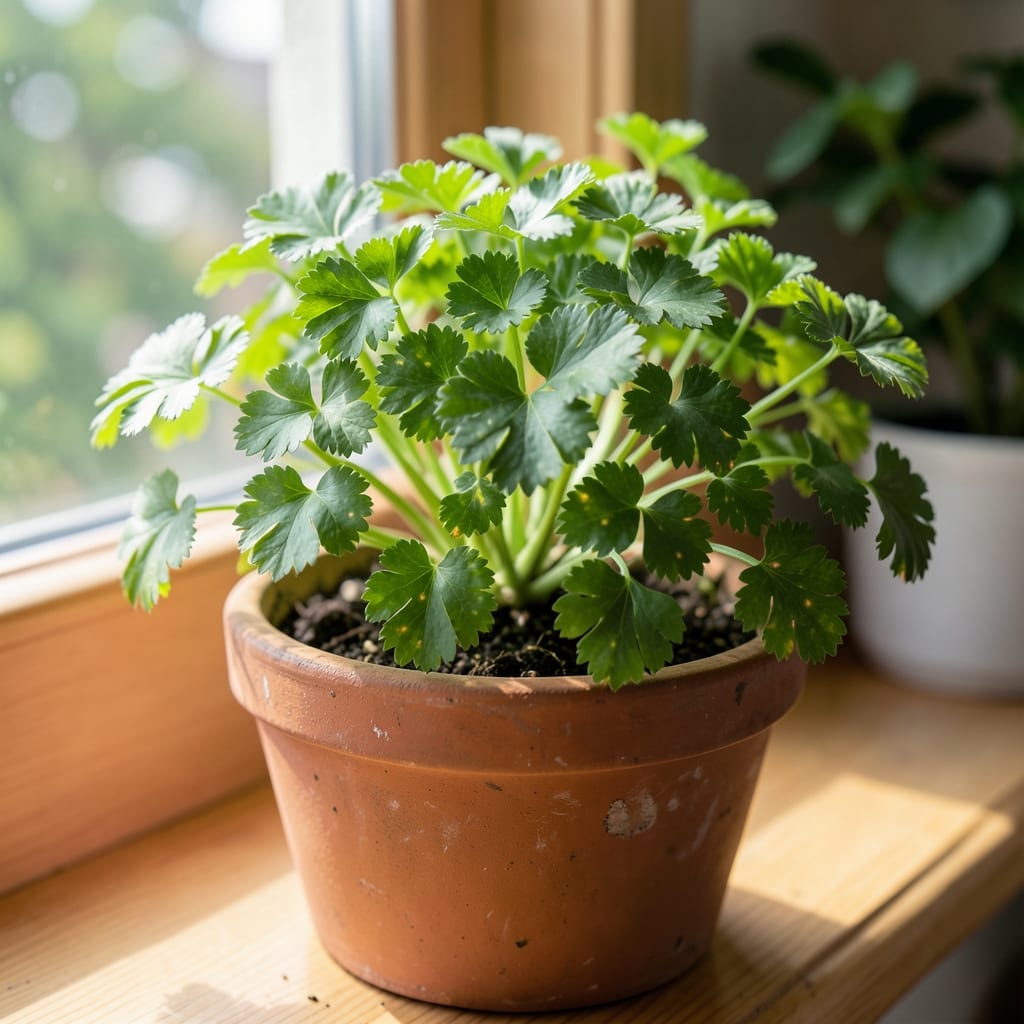
Yellow spots on parsley always feel like a personal betrayal. 🌿 I’ve seen this happen in my own garden when overwatering, pests, or soil issues sneak up on otherwise healthy plants.
The pattern tells the story: scattered spots often mean fungal trouble, while clustered damage usually points to insects. 3 common culprits—downy mildew, spider mites, and nutrient deficiencies—account for most cases I’ve encountered.
You can turn this around with targeted fixes: improve air circulation, adjust watering, or apply organic treatments. Most parsley bounces back within 2-3 weeks once conditions improve.
Prevention is simpler than cure: well-draining soil, proper spacing, and regular inspections keep your parsley vibrant green all season long.
Parsley leaves developing yellow spots often signal an underlying issue affecting the plant’s health. Below are the most common causes, each with actionable insights to address the problem.
Yellow spots on parsley can stem from a lack of essential nutrients, particularly nitrogen, magnesium, or iron. Nitrogen deficiency often causes uniform yellowing, while magnesium deficiency leads to interveinal chlorosis (yellowing between veins). Iron deficiency, common in alkaline soils, results in small yellow spots that expand over time. A soil test can pinpoint the exact deficiency. Amend the soil with organic matter like compost or use targeted fertilizers (e.g., Epsom salt for magnesium).
Excess moisture or poorly draining soil can suffocate parsley roots, leading to root rot and yellow spotting. Parsley prefers consistently moist but not waterlogged soil. If the soil feels soggy or emits a foul odor, reduce watering frequency and improve drainage by mixing in perlite or sand. Ensure pots have drainage holes to prevent water accumulation.
Pests like aphids, spider mites, or whiteflies sap nutrients from parsley leaves, causing yellow stippling or spots. Inspect the undersides of leaves for tiny insects or webbing. Treat infestations with a strong blast of water or neem oil spray (1 tbsp neem oil + 1 tsp dish soap per gallon of water). Introducing beneficial insects like ladybugs can also help control pest populations naturally.
Parsley is sensitive to extreme conditions. Too much direct sunlight can scorch leaves, creating yellow or brown patches, while insufficient light leads to weak, yellowing growth. Aim for 4–6 hours of morning sun and partial shade in hot afternoons. Additionally, sudden temperature drops or heatwaves can stress the plant, so consider using row covers for protection.
Pathogens like Septoria leaf spot or Pseudomonas bacteria cause circular yellow or brown spots with halos. These thrive in wet, humid conditions. Remove infected leaves immediately to prevent spread, and avoid overhead watering. Apply copper-based fungicides or a baking soda solution (1 tsp baking soda + 1 quart water + a drop of dish soap) as a preventive measure.
Tackling yellow spots on parsley starts with pinpointing the cause. Below are targeted fixes for the most common issues, along with prevention tips to keep your plants thriving.
If yellowing appears between leaf veins, your parsley likely lacks magnesium or iron. Add a balanced organic fertilizer or compost tea to replenish nutrients. For quick relief, spray leaves with a 1% Epsom salt solution (1 tablespoon per gallon of water) for magnesium. Prevention tip: 💡 Test soil annually and amend with compost before planting.
Soggy soil suffocates roots, causing yellow patches. Let the top inch of soil dry between waterings, and ensure pots have drainage holes. If root rot is suspected, trim affected roots and repot in fresh, well-draining soil. Prevention tip: 🌡️ Use a moisture meter to avoid guesswork—parsley prefers slightly dry conditions over soggy ones.
Aphids, spider mites, or whiteflies leave yellow stippling as they sap plant juices. Blast pests off with water, then apply neem oil spray (1 tablespoon oil + 1 tsp dish soap per gallon of water). Repeat every 3–5 days until gone. Prevention tip: ✨ Introduce beneficial insects like ladybugs or use reflective mulch to deter pests.
Intense sunlight can scorch leaves, creating bleached yellow spots. Move potted parsley to partial shade (4–6 hours of morning sun) or use shade cloth. For in-ground plants, mulch with straw to cool roots. Prevention tip: 🎯 Acclimate seedlings gradually to direct sun to avoid shock.
Spotted yellowing with brown edges often signals disease. Remove infected leaves and avoid overhead watering. Spray with baking soda solution (1 tsp baking soda + 1 quart water + a few drops of dish soap) or copper fungicide. Prevention tip: 🔥 Space plants 8–10 inches apart for airflow and rotate crops yearly.
Not always. They can signal overwatering, nutrient shortages, or even sunburn. Inspect the pattern and plant conditions to identify the true cause.
With proper care, most plants show improvement in 2-3 weeks. Remove damaged leaves and address the root cause for faster recovery.
Yes! A baking soda solution works for fungal issues, while neem oil spray handles pests. Always test on a small area first.
Only if the damage is severe or spreading rapidly. Minor spotting often resolves with treatment. Isolate affected plants to prevent contagion.