
Beautiful Plants For Your Interior
Beautiful Plants For Your Interior
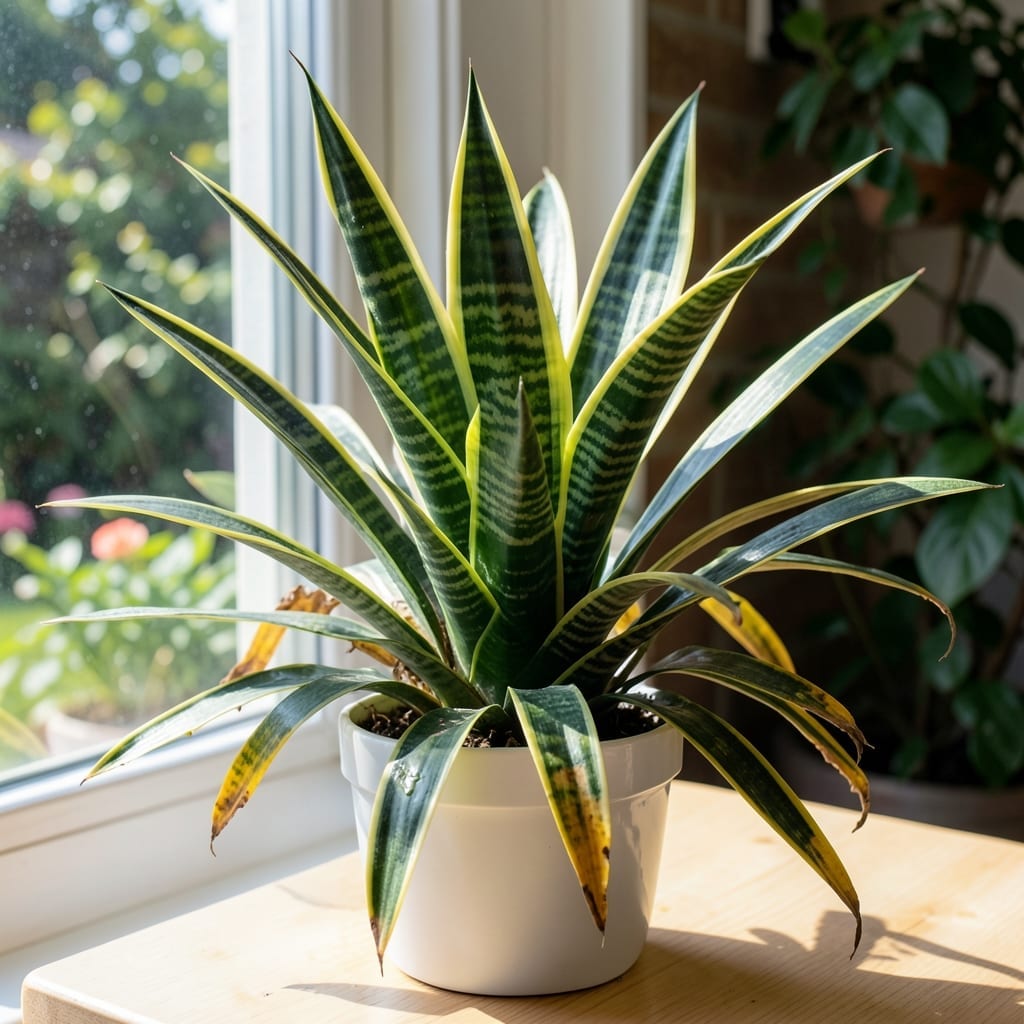
Yellow leaves and soggy soil spelled disaster for my rattlesnake plant last winter. Here’s the thing—overwatering looks like love but slowly kills the roots.
I learned the hard way that these plants need dry spells between waterings. The droopy, yellow leaves you’re seeing? Classic signs of too much water and not enough oxygen for the roots.
This rescue starts with checking the soil and roots, then adjusting your care routine. Most plants bounce back within 2-3 weeks if you catch it early.
Works for any rattlesnake plant owner ready to save their leafy friend. No fancy tools required.
Overwatering your Calathea lancifolia (rattlesnake plant) doesn’t just happen by accident—it’s usually the result of a few common missteps. Here’s why it occurs, broken down by cause:
Rattlesnake plants thrive in moist but not soggy soil. Their natural habitat is the tropical understory, where soil dries slightly between rain showers. When you water too often, the roots are deprived of oxygen, leading to root asphyxiation and eventual rot. A good rule: Wait until the top 1-2 inches of soil are dry before watering again.
Even if you water sparingly, compacted soil or missing drainage holes can trap moisture. Potting mixes with high peat content or dense garden soil retain too much water. Always use a well-draining mix (e.g., perlite or orchid bark) and pots with drainage holes to let excess water escape.
Larger pots hold more soil, which stays wet longer. Rattlesnake plants prefer snug root systems—too much space slows soil drying and increases rot risk. Choose a pot only 1-2 inches wider than the root ball to maintain balance.
In low light or cool conditions (below 60°F/15°C), the plant’s metabolism slows, reducing water uptake. If you don’t adjust your watering schedule, the soil stays damp. Reduce watering in winter or move the plant to brighter, warmer spots to match its needs.
If your rattlesnake plant is suffering from overwatering, act fast to save it. Here’s how to diagnose and treat each issue:
Trim away the yellow leaves with clean, sharp scissors to prevent further stress. Prevention tip 💡: Water only when the top 1-2 inches of soil are dry. Use your finger to test moisture levels before reaching for the watering can.
Gently remove the plant from its pot and inspect the roots. Healthy roots are firm and white; rotten roots are mushy and dark. Trim away the affected roots with sterilized scissors. Repot the plant in fresh, well-draining soil and a clean pot with drainage holes. Prevention tip ✨: Always use pots with drainage holes and a well-draining soil mix to avoid waterlogging.
If the plant is wilting due to overwatering, stop watering immediately and let the soil dry out. Move the plant to a spot with bright, indirect light to help it recover. Prevention tip 🎯: Ensure your pot has drainage holes, and empty the saucer after watering to prevent the plant from sitting in water.
If you notice mold on the soil surface or fungus on the leaves, remove the affected parts and repot the plant in fresh soil. Reduce humidity levels around the plant and improve air circulation. Prevention tip 🌡️: Avoid misting the leaves excessively and ensure good airflow around your plant.
With a little care and attention, your rattlesnake plant can bounce back from overwatering. Stay vigilant and adjust your care routine to keep it thriving!
Water when the top 1-2 inches of soil feel dry. Typically, this means watering every 7-10 days in warm weather. Always check soil moisture first to avoid overdoing it.
Yellowing leaves, especially lower ones, are the first red flag. You might also notice mushy stems or soil that stays soggy for days. Drooping leaves can appear too, even when soil is wet.
Yes, if caught early. Remove the plant from its pot, trim all mushy brown roots, and repot in fresh, dry soil. Withhold water for 5-7 days to let roots recover.
Roots suffocate in waterlogged soil, preventing water uptake. This causes wilting despite damp conditions. Stop watering and let soil dry out completely before resuming.