
Beautiful Plants For Your Interior
Beautiful Plants For Your Interior
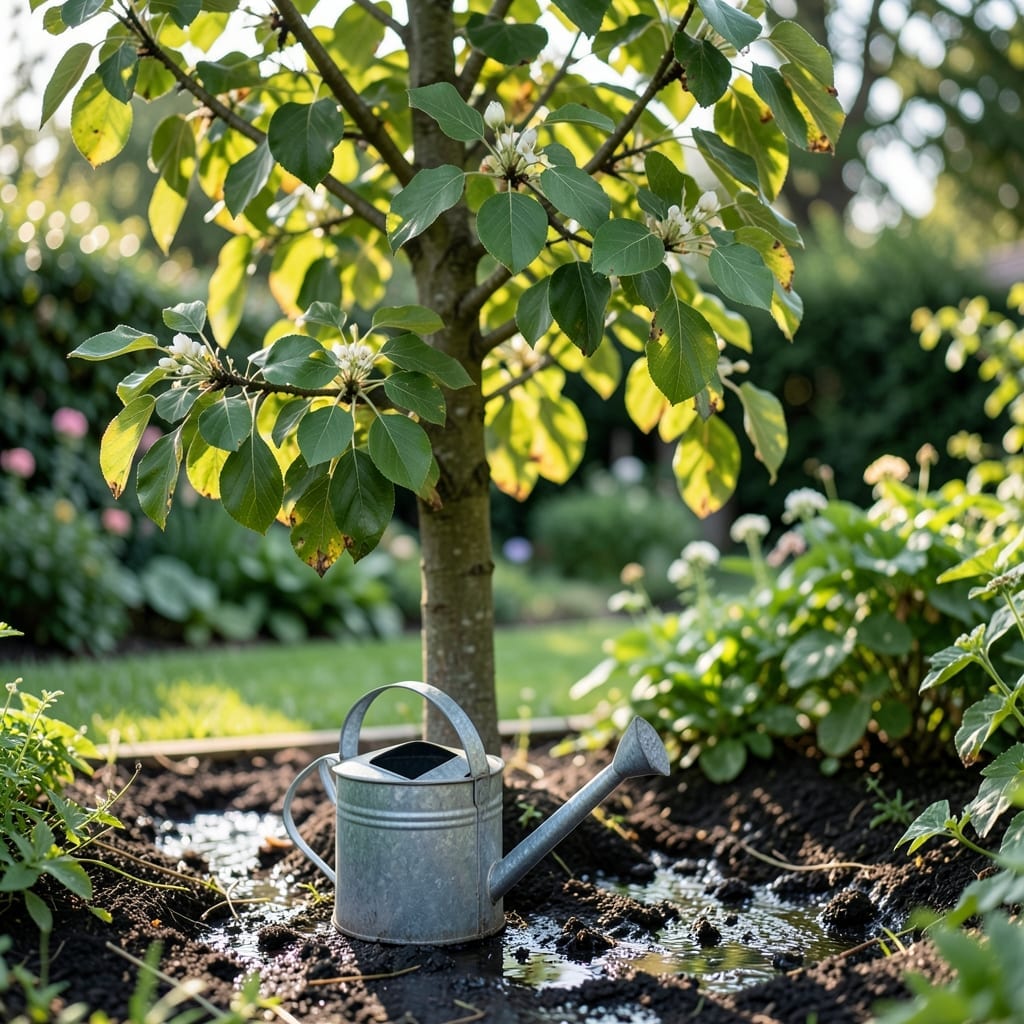
Yellow leaves and soggy soil spelled trouble for my pear tree. I caught it just in time with a few smart drainage fixes that brought it back from the brink.
Overwatering isn’t just about rain—it’s heavy clay soil, poor grading, or enthusiastic watering habits. The roots drown when they can’t breathe, but the solution starts with improving what’s under the surface.
Within 2-3 weeks of fixing drainage, new growth appears and leaves regain their vibrant green color. The tree strengthens and resists future stress with healthier roots.
Works for established trees and new plantings alike. Here’s how to diagnose and repair the damage.
Overwatering a pear tree often stems from well-meaning but misguided care. Understanding the root causes helps prevent this common issue and keeps your tree thriving. Below are the most frequent reasons why it happens.
Pear trees require deep but infrequent watering. Overzealous watering—especially daily light sprinkles—prevents roots from accessing oxygen. The soil becomes waterlogged, suffocating the roots and promoting fungal growth like Phytophthora, a common root rot pathogen in fruit trees. Pear trees typically need 1–2 inches of water per week, including rainfall, delivered in slow, deep soaks to encourage strong root development.
Heavy clay or compacted soils retain moisture for extended periods, creating a stagnant environment. Pear trees thrive in loamy, well-draining soil with a pH of 6.0–7.0. If your soil drains poorly, water pools around the roots, leading to oxygen deprivation. Conduct a simple percolation test: Dig a 12-inch hole, fill it with water, and see how long it takes to drain. If it’s slower than 1–2 hours, amending the soil with organic matter or installing drainage tiles can help.
Weather conditions play a huge role. Overwatering often occurs when gardeners stick to a rigid schedule regardless of rainfall, humidity, or temperature. For example, pear trees need less water during cool, rainy seasons and more during hot, dry spells. Always check soil moisture 2–3 inches deep—if it’s damp, hold off on watering. Using a moisture meter can take the guesswork out of the process.
Planting a pear tree too deep or in a container without drainage holes can trap excess water around the roots. The root flare (where the roots meet the trunk) should always be visible above the soil line. If buried, it increases the risk of rot. For potted pear trees, ensure containers have multiple drainage holes and use a well-draining potting mix to prevent water accumulation.
Reviving an overwatered pear tree starts with quick, targeted action. Below are practical fixes for common symptoms, along with prevention tips to keep your tree thriving. 🌱
Stop watering immediately if you notice yellow leaves or soggy soil. Let the top 2–3 inches of soil dry out before resuming. Use a moisture meter to check depth—water only when readings drop below 30%. Switch to deep, infrequent watering (1–2 times per week) instead of daily light sprinkles.
Prevention: Mulch with 2–3 inches of wood chips to retain moisture without waterlogging. 💡
If the soil stays soggy for days, aerate the root zone with a garden fork to break up compacted earth. For severe cases, create small trenches (6–12 inches deep) around the tree to redirect excess water. Consider amending heavy clay soil with compost or sand to boost drainage.
Prevention: Plant future trees in raised beds or slopes to avoid pooling. ✨
Fungus or mold on the trunk or roots? Prune affected areas with sterilized shears and apply a copper-based fungicide. Remove fallen leaves and debris to reduce moisture retention. Ensure good airflow by thinning nearby branches.
Prevention: Avoid overhead watering—use a drip irrigation system to target roots directly. 🎯
Wilting can signal root rot. Gently dig around the base to inspect roots—healthy ones are firm and white; rotten ones are mushy and dark. Trim damaged roots and repot in fresh, well-draining soil if potted. For in-ground trees, improve drainage as above.
Prevention: Test soil drainage before planting by digging a 1-foot hole, filling it with water, and timing how long it takes to empty (ideal: 1–4 hours). ⏰
Look for yellowing leaves, mushy stems, or soil that stays soggy for days. A simple check: if the top 2–3 inches of soil feels damp, hold off on watering.
Aerate compacted soil with a garden fork, or add organic matter like compost. For severe cases, dig small trenches around the tree to redirect water.
Yes! Trim damaged roots with sterilized tools and apply a copper fungicide. Repot potted trees in fresh soil, or amend in-ground soil for better drainage.