
Beautiful Plants For Your Interior
Beautiful Plants For Your Interior
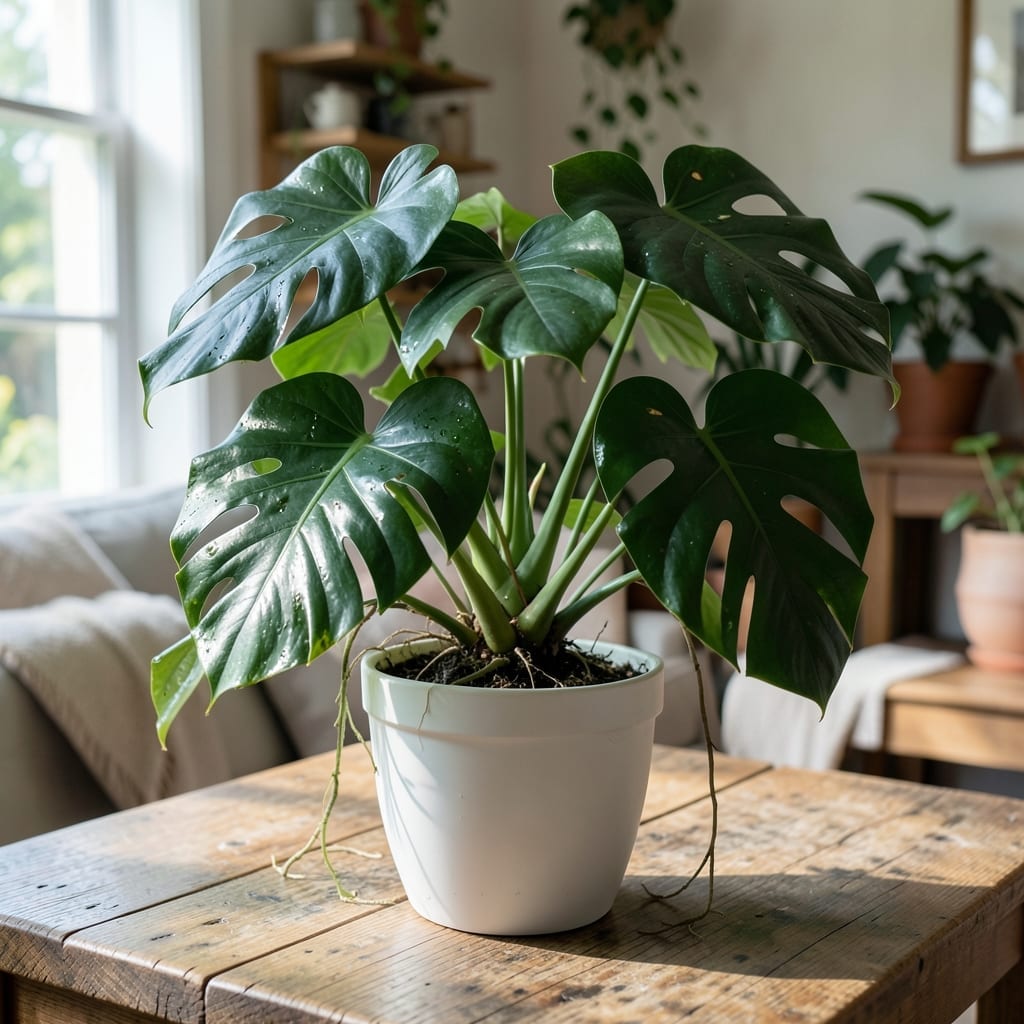
Yellow leaves on your Monstera aren’t just sad—they’re a cry for help. I’ve nursed back more of these tropical beauties than I can count, and the problem is almost always too much love in the watering can.
The first sign is usually droopy leaves that turn yellow, often with brown, mushy edges. Left unchecked, the roots drown and rot, cutting off the plant’s lifeline. Recovery is possible, but you’ll need to act fast and adjust your care routine.
With the right steps, your plant can bounce back in 4-6 weeks. New growth will emerge darker green and firmer, and those yellow leaves will eventually drop off. The key is patience and consistency.
Works for any Monstera, whether it’s a small cutting or a towering floor plant. Here’s how to fix it.
Overwatering your Monstera deliciosa isn’t just about giving it too much water—it’s about disrupting the delicate balance of moisture, oxygen, and microbial activity in the soil. Here’s why it happens:
Soil that retains too much water suffocates the roots. Monstera roots need oxygen to respire, and waterlogged soil blocks air pockets. If your pot lacks drainage holes or uses dense, compacted soil (like pure peat or clay), excess water has nowhere to go, leading to root asphyxiation and rot.
Monstera plants thrive on a “dry-out” cycle. Watering before the top 1–2 inches of soil dry out prevents the roots from absorbing oxygen. Many plant owners mistakenly water on a rigid schedule (e.g., “every Sunday”) rather than checking soil moisture. Pro tip: Stick your finger in the soil—if it’s damp, wait!
Larger pots hold more soil, which retains moisture longer. A Monstera in a pot too big for its root ball sits in soggy soil unnecessarily, increasing rot risk. Always choose a pot just 1–2 inches wider than the root system to encourage healthy water uptake.
In cooler or low-light conditions, Monstera deliciosa grows slower, reducing its water needs. Watering at the same rate as in summer can overwhelm the plant. Seasonal adjustments—less water in winter or dim settings—prevent excess moisture from lingering.
If your Monstera deliciosa is suffering from overwatering, don’t panic—here’s how to nurse it back to health. Address the issue quickly to prevent further damage and revive your plant. Below are targeted solutions for each common symptom, along with prevention tips to keep it thriving.
Yellowing leaves are a classic sign of overwatering. Stop watering immediately and let the top 1-2 inches of soil dry out completely before watering again. Use your finger to test soil moisture—if it feels damp, wait a few more days. Switch to a pot with drainage holes if yours lacks them, and empty the saucer after watering to prevent soggy roots.
Prevention tip: 🌱 Water only when the topsoil is dry, and use a moisture meter for accuracy.
If the roots are mushy, dark, or smelly, root rot has set in. Remove the plant from its pot and gently rinse the roots under lukewarm water. Trim away any black or soft roots with sterilized scissors. Repot in fresh, well-draining soil (a mix of potting soil, perlite, and orchid bark works well) and a clean pot. Avoid watering for a week to let the roots recover.
Prevention tip: 💡 Ensure your pot has drainage holes and use a chunky, airy soil mix to prevent waterlogging.
Drooping or wilting leaves can signal both overwatering and poor drainage. Check the soil—if it’s waterlogged, repot the plant in a mix with better drainage (add perlite or sand). Elevate the pot on a rack to allow excess water to drain freely. If the soil is compacted, loosen it gently with a fork to improve aeration.
Prevention tip: ✨ Use terracotta pots, which wick away moisture faster than plastic ones.
White mold or a foul smell on the soil surface means fungal growth. Remove the top layer of soil and replace it with fresh mix. Spray the remaining soil and plant with a natural fungicide (like neem oil or hydrogen peroxide solution). Reduce humidity around the plant and increase airflow with a small fan if indoors.
Prevention tip: 🎯 Avoid overcrowding plants and ensure good air circulation in your growing space.
Water only when the top 1-2 inches of soil are dry. This usually means every 1-2 weeks, but always check first. In winter or low light, you may need to water even less frequently.
Unfortunately no. Once leaves turn yellow from overwatering, they won’t recover. Focus on improving conditions for new growth, which will emerge in 4-6 weeks.
Use a chunky, well-draining mix with 50% potting soil, 30% perlite, and 20% orchid bark. This allows excess water to drain quickly while retaining enough moisture.
Avoid misting until the plant recovers. Extra moisture can worsen the problem. Instead, maintain 40-50% humidity and ensure good air circulation around the plant.