
Beautiful Plants For Your Interior
Beautiful Plants For Your Interior
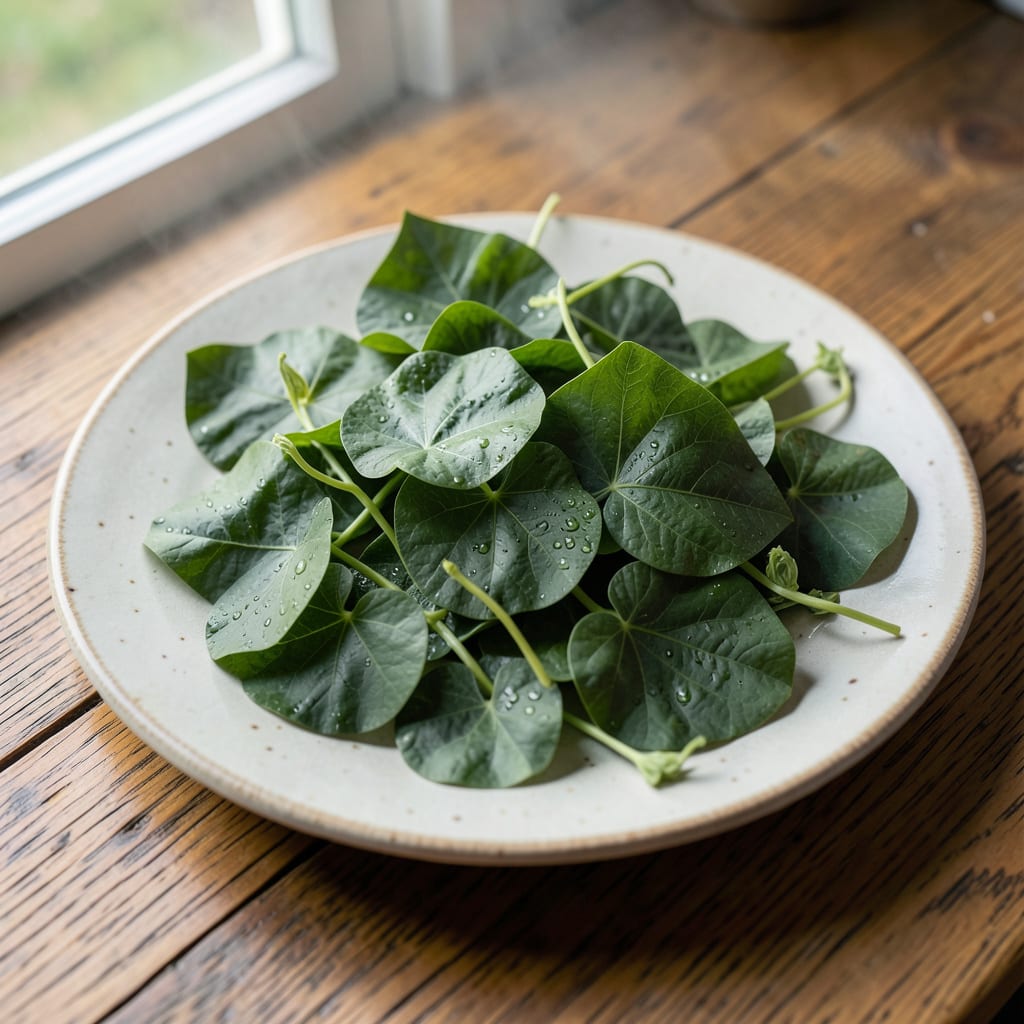
Watching morning glory leaves droop feels like a punch to the gut. 🌱 I’ve been there—one day they’re climbing strong, the next they’re sad and floppy. Don’t panic yet. Wilting often signals something fixable, not fatal.
Most times, it’s either too much water, not enough, or a pest throwing a party on the undersides. Check the soil first—if it’s soggy or bone-dry, you’ve found your culprit. 24 hours of adjustment can bring them back to life.
Look closer for aphids or spider mites if the soil feels fine. A blast of water or neem oil usually sends them packing. The leaves should perk up within a day or two once the issue’s resolved.
Prevention is simpler than cure: consistent watering and a weekly leaf inspection keep problems from starting. Your morning glories will reward you with vibrant blooms and strong vines.
Morning glory leaves wilting often stems from a few key environmental or biological stressors. Here’s a breakdown of the most common causes:
Excessive heat or drought can cause transpiration rates to outpace water uptake, leading to limp, wilted foliage. Morning glories thrive in consistent moisture, and underwatering—even for a day—can trigger visible stress. Conversely, overwatering suffocates roots, reducing their ability to absorb water and nutrients.
Pathogens like Fusarium or Verticillium wilt disrupt the plant’s vascular system, blocking water transport. Look for yellowing leaves or dark streaks in stems. Bacterial leaf spot can also cause wilting by damaging leaf tissue, often accompanied by water-soaked lesions.
Sap-sucking pests such as aphids, spider mites, or whiteflies drain vital fluids from leaves, causing them to curl or droop. Check the undersides of leaves for tiny insects or sticky residue (honeydew), a sign of infestation.
Compacted or nutrient-poor soil restricts root growth, limiting water and mineral absorption. Morning glories prefer well-draining, fertile soil with a pH of 6.0–6.8. A lack of essential nutrients like potassium or magnesium can also weaken the plant, making it more susceptible to wilting.
If your morning glories look sad and droopy, don’t panic—most causes are fixable with quick action. Below are targeted solutions for the most common issues, plus tips to keep your vines thriving long-term.
Give the soil a thorough drink until water runs out the drainage holes. For potted plants, submerge the container in a bucket of water for 10–15 minutes. Prevention tip: Check soil moisture daily in hot weather—stick your finger 1 inch deep; if it’s dry, it’s time to water.
Stop watering immediately and let the top 1–2 inches of soil dry out. If root rot is suspected, trim any black, mushy roots and repot in fresh, well-draining soil. Prevention tip: Use containers with drainage holes and a moisture meter to avoid guesswork.
Move potted plants to a spot with afternoon shade or add a sheer curtain to filter intense sunlight. Water deeply in the early morning to prep for the day’s heat. Prevention tip: Mulch the base with straw or bark to retain moisture and cool the roots.
Blast aphids or spider mites off leaves with a strong stream of water. For stubborn infestations, spray with neem oil or insecticidal soap, focusing on leaf undersides. Prevention tip: Inspect leaves weekly and introduce beneficial insects like ladybugs.
Use a balanced, water-soluble fertilizer (10-10-10) every 2–4 weeks during the growing season. Yellowing leaves may signal a nitrogen shortage—switch to a higher-nitrogen formula. Prevention tip: Avoid over-fertilizing, which can burn roots and worsen wilting.
💡 Pro tip: Morning glories bounce back fast! With the right fix, you’ll often see perked-up leaves within 24 hours.
Water when the top 1 inch of soil feels dry. In hot weather, this may mean daily watering. Ensure pots have drainage to prevent soggy roots.
Yes, if the cause is temporary like heat stress. Once temperatures drop or water is added, leaves often perk up within 24 hours. Severe cases may need intervention.
Look for tiny insects, sticky residue (honeydew), or curled leaves. Aphids and spider mites are common culprits. Treat with neem oil or insecticidal soap.
Yes, yellow leaves combined with soggy soil often indicate overwatering. Let the soil dry out and check for root rot. Adjust your watering schedule accordingly.
