
Beautiful Plants For Your Interior
Beautiful Plants For Your Interior
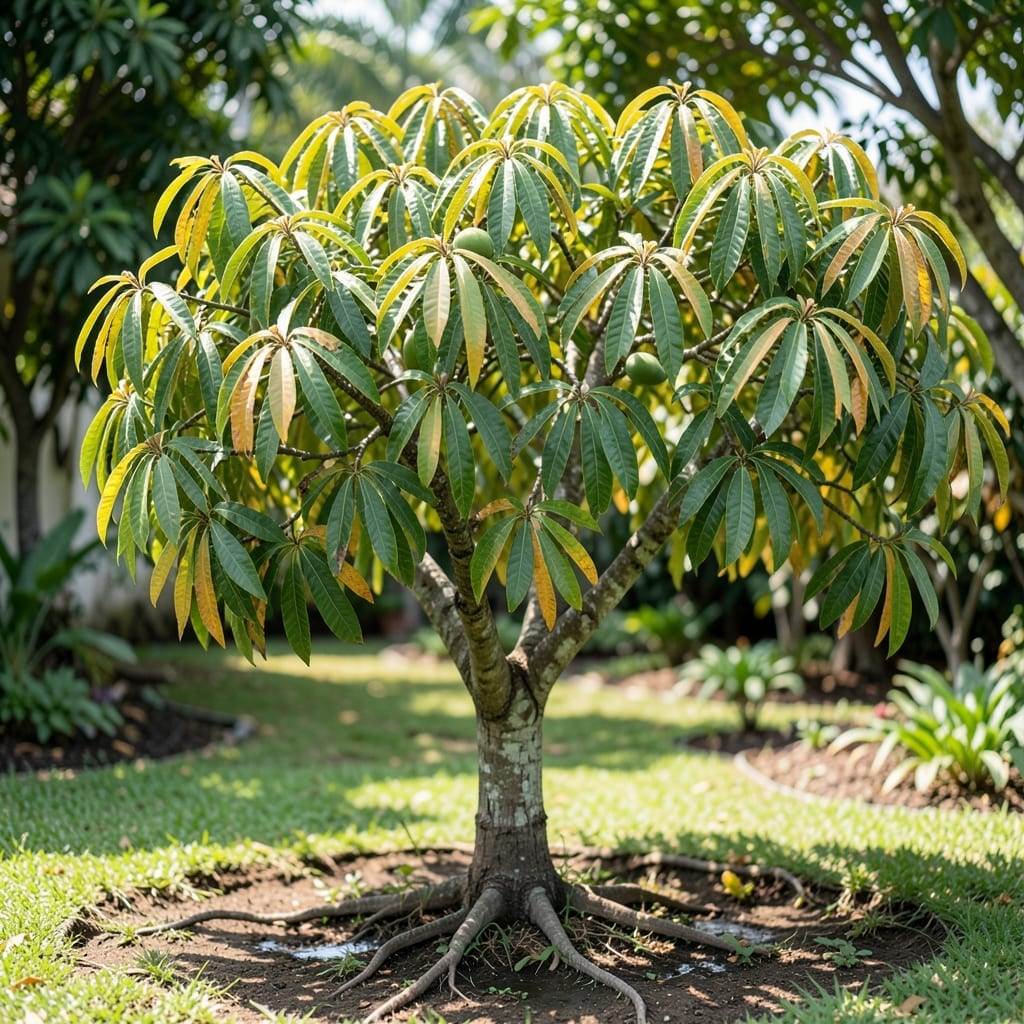
Yellowing leaves and soggy soil mean your mango tree is drowning. I’ve saved more than a few by catching this early—before root rot sets in and the damage becomes irreversible.
Most people don’t realize mango trees need well-draining soil and can handle drought better than wet feet. The fix starts with stopping water immediately and letting the top 2-3 inches of soil dry out completely.
You’ll know it’s working when new growth appears firm and green, not mushy or black. The recovery takes 2-4 weeks if you act fast and adjust your watering habits long-term.
Works for potted trees too—just tip the container to drain excess water and move it to a sunnier spot.
Understanding why overwatering happens is the first step to preventing it. Mango trees thrive in well-drained soil, and excessive moisture disrupts their natural balance. Below are the most common causes, explained with actionable insights.
Many gardeners assume mango trees need frequent watering, especially in hot climates. However, these trees are drought-tolerant once established. Watering more than 2-3 times per week (or daily in heavy soil) can saturate the root zone, reducing oxygen availability. Roots suffocate when soil pores are clogged with water, leading to root rot and nutrient uptake failure.
Mango trees require loamy, well-draining soil. Clay-heavy or compacted soils retain moisture for extended periods, creating a waterlogged environment. Even with moderate watering, poor drainage can mimic overwatering symptoms. Amend the soil with sand, perlite, or organic compost to improve aeration and water flow.
Unexpected heavy rainfall can overwhelm even the most disciplined watering routine. During monsoon seasons or prolonged wet spells, the soil may stay soggy for days. Installing a rain gauge and adjusting irrigation accordingly helps prevent accidental overwatering. Consider raised beds or slopes to facilitate runoff in flood-prone areas.
Potted mango trees are especially vulnerable if their containers lack drainage holes. Water accumulates at the bottom, creating a stagnant pool that drowns the roots. Always use pots with multiple drainage holes and elevate them to ensure excess water escapes freely.
Here’s how to nurse your mango tree back to health by addressing the most common overwatering issues. Act fast to prevent lasting damage!
If the soil feels soggy, stop watering immediately. Dig small trenches around the base to redirect excess water away from the roots. For potted trees, ensure the container has drainage holes. Prevention tip: Use well-draining soil mixes with perlite or sand to avoid future waterlogging. 💡
Yellow leaves often signal root stress from too much water. Let the top 2-3 inches of soil dry out before watering again. Stick your finger in the soil to test moisture—if it feels damp, wait another day. Prevention tip: Water deeply but infrequently, and always check soil moisture first. ✨
If roots appear brown and mushy, prune the affected areas with sterilized shears. Repot the tree in fresh, dry soil and add a fungicide like copper sulfate to prevent fungal spread. For in-ground trees, loosen the soil gently with a fork to improve aeration. Prevention tip: Avoid watering late in the day to reduce fungal growth risk. 🎯
Overwatering can suffocate roots, slowing growth. Apply a balanced fertilizer (10-10-10) to help the tree recover, but only after the soil has dried out. Add organic mulch to retain moisture without oversaturating. Prevention tip: Mulch should never touch the trunk—keep it 6 inches away. 🌱
Water established trees 2-3 times per week in dry conditions. Let the top 2-3 inches of soil dry out between waterings. Young trees need more frequent watering, but always check soil moisture first.
Watch for yellowing leaves, wilting despite wet soil, and leaf drop. The soil may stay soggy for days after watering. Early detection prevents root rot from developing.
Yes, if caught early. Prune affected roots, repot in fresh soil, and use a fungicide. Recovery takes 2-4 weeks with proper care and reduced watering.
Morning is ideal. It allows excess moisture to evaporate during the day. Evening watering can promote fungal growth due to prolonged dampness.