
Beautiful Plants For Your Interior
Beautiful Plants For Your Interior
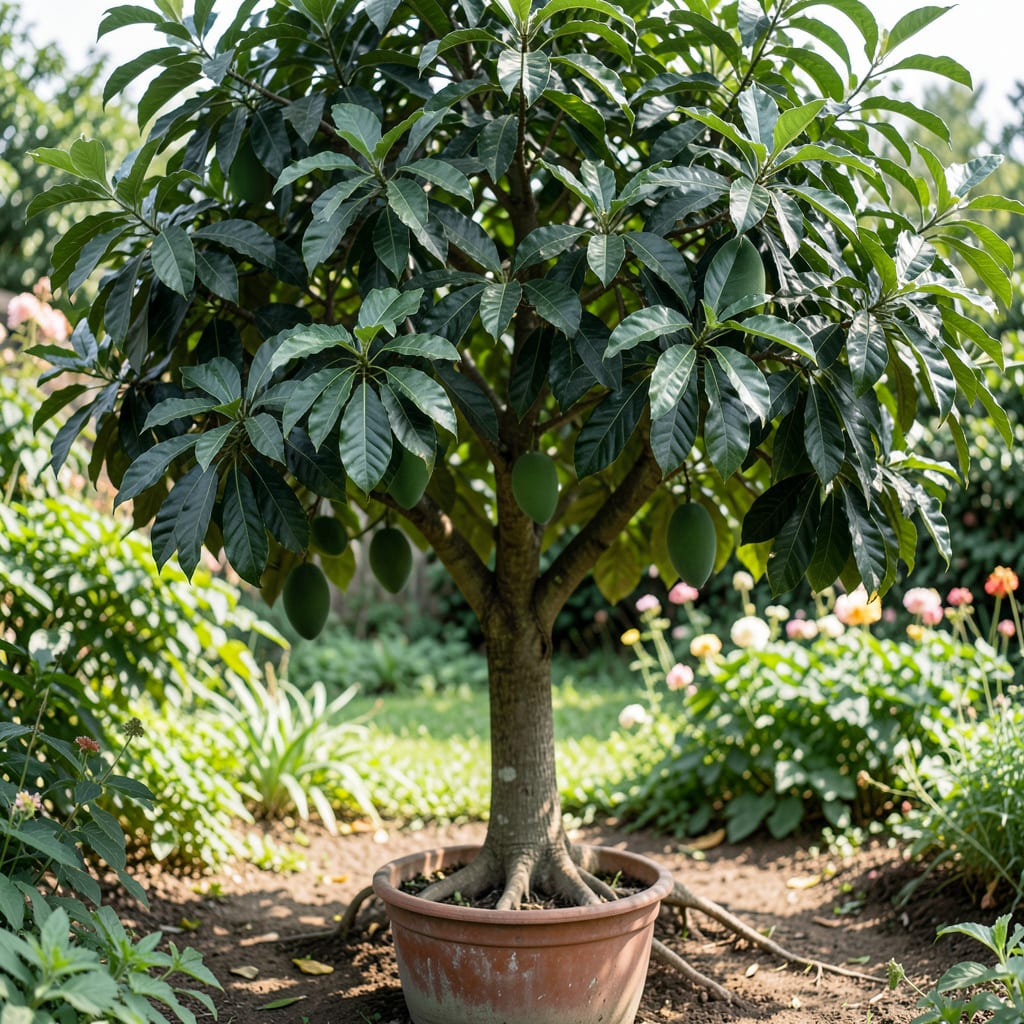
Growing a Mango Tree 🥭 can be a rewarding experience, but understanding its growth potential is crucial for proper cultivation. In ideal conditions, these trees can reach impressive heights, transforming any garden into a tropical paradise.
Whether you’re growing in USDA Zone 6 or a warmer climate, knowing what to expect in terms of height and growth rate will help you plan your garden effectively. Let’s explore the factors that influence the height of your Mango Tree and how to optimize its growth.


Mango trees are known for their impressive growth potential, but several factors influence how tall they can grow. Understanding these factors is crucial for gardeners looking to cultivate healthy and productive trees.
The variety of mango tree is a significant factor in determining its height. Dwarf varieties typically grow between 8-12 feet, while semi-dwarf trees can reach 12-20 feet. Standard mango trees, on the other hand, can grow much taller, often reaching heights of 30-40 feet or more in ideal conditions.
Climate plays a crucial role in mango tree growth. These trees thrive in tropical and subtropical regions with warm temperatures and ample sunlight. In areas with cooler climates, mango trees may not reach their full height potential due to limited growing seasons.
Soil quality is another important factor. Mango trees prefer well-draining soil with a pH between 5.5 and 7.5. Poor soil conditions can limit root development and, consequently, the tree’s overall height.
Proper maintenance practices, including pruning, fertilization, and pest management, are essential for optimizing mango tree height. Regular pruning helps maintain the tree’s structure and promotes healthy growth, while appropriate fertilization provides necessary nutrients for development.
The age of the mango tree also affects its height. Young trees typically experience rapid growth in their early years, with some varieties growing 1-2 feet per year. As the tree matures, its growth rate slows down, but it continues to develop its canopy and root system.
Understanding these factors can help gardeners make informed decisions about planting and caring for their mango trees. By selecting the right variety and providing optimal growing conditions, gardeners can encourage their mango trees to reach their full height potential.
Mango trees can live for decades, and their height continues to be influenced by environmental factors throughout their lifespan. Regular care and maintenance are key to ensuring these trees remain healthy and continue to grow.
In conclusion, the height of a mango tree is influenced by a combination of genetic, environmental, and maintenance factors. By understanding and managing these factors, gardeners can cultivate mango trees that are both productive and visually appealing in their gardens.
For those looking to maximize their mango tree’s height, focusing on proper care and optimal growing conditions is essential. This includes providing adequate sunlight, water, and nutrients, as well as regular pruning to maintain the tree’s structure and health.
Mango trees are known for their impressive growth potential, and with the right care, they can reach their maximum height. To achieve this, gardeners need to focus on proper pruning techniques, adequate fertilization, and optimal growing conditions. By understanding these key factors, you can help your mango tree grow strong and tall 🌳.
Pruning is a critical aspect of mango tree care. It helps maintain the tree’s structure, promotes healthy growth, and encourages fruiting. I recommend pruning your mango tree annually to remove any dead or damaged branches. This will not only improve the tree’s appearance but also prevent disease and pest issues 🔥.
For maximum height, prune your mango tree during the dormant season to minimize stress and promote vigorous growth in the next growing season.
Fertilization is another crucial factor in promoting healthy growth and maximizing height. Mango trees benefit from regular feeding during the growing season. Use a balanced fertilizer with a ratio of 6-6-6 NPK to provide essential nutrients. I recommend fertilizing every 6-8 weeks during the spring and summer months 🌿.
In addition to pruning and fertilization, maintaining optimal growing conditions is vital. Mango trees thrive in full sun and well-draining soil with a pH between 5.5 and 7.5. Ensuring your tree receives adequate sunlight and water will support its growth and development ☀️.
By combining these expert tips, you can help your mango tree reach its full height potential. Remember, patience and consistent care are key to growing a healthy and productive tree. With time and attention, your mango tree will flourish and become a beautiful addition to your garden 🌴.
Mango trees can live for decades, and their height continues to be influenced by environmental factors throughout their lifespan. Regular care and maintenance are essential for ensuring these trees remain healthy and continue to grow.
In conclusion, maximizing the height of your mango tree requires a combination of proper pruning, adequate fertilization, and optimal growing conditions. By following these expert gardening tips, you can help your mango tree reach its full potential and enjoy its beauty and fruit for years to come.
Managing the size of a mango tree is crucial for gardeners with limited space. By understanding how to control the tree’s height and shape, you can successfully grow a mango tree even in smaller gardens or containers.
For gardeners with very limited space, consider using dwarf varieties that are naturally more compact. These trees can thrive in containers and can be kept at a manageable size with regular pruning.
In addition to pruning and training, root pruning can be an effective method for controlling the size of a mango tree. This involves carefully pruning the roots to restrict the tree’s growth, making it more suitable for smaller spaces.
When growing a mango tree in a container, ensure that the container is large enough to accommodate the tree’s root system. A minimum container size of 20 gallons is recommended for dwarf varieties.
By implementing these strategies, you can effectively manage the size of your mango tree and enjoy its beauty and fruit even in limited garden spaces. Regular maintenance and careful planning are key to successful mango tree cultivation 🌴.
Remember that mango trees can be quite vigorous, so regular checks and adjustments to your pruning and training regimen will be necessary to maintain the desired size and shape.
In conclusion, managing mango tree size requires a combination of selecting the right variety, regular pruning, and proper training. With these techniques, you can enjoy a thriving mango tree in your garden, regardless of its size 🌟.
Mango trees can grow to varying heights depending on the variety. Standard mango trees can reach 30-40 feet, while dwarf varieties typically top out at 8-12 feet. Semi-dwarf trees fall somewhere in between, reaching heights of 12-20 feet. The tree’s growing conditions also play a significant role in determining its final height .
Mango trees are known for their rapid growth, especially when young. They can grow 1-2 feet per year during their early years. As the tree matures, its growth rate slows down, but it continues to develop its canopy and root system. Proper care, including regular watering and fertilization, can support healthy growth .
Yes, you can control the height of your mango tree through regular pruning and training. Pruning during the dormant season can help manage the tree’s size and promote a desired shape. For smaller spaces, consider growing dwarf or semi-dwarf varieties, which are naturally more compact. Container growing is another effective way to manage a mango tree’s size .
The time it takes for a mango tree to reach its full height depends on factors like the tree variety, growing conditions, and care practices. Generally, mango trees can take 10-20 years to reach their mature height. With proper care and optimal conditions, some trees may reach their full potential sooner. Regular maintenance is key to ensuring the tree remains healthy throughout its lifespan .
