
Beautiful Plants For Your Interior
Beautiful Plants For Your Interior
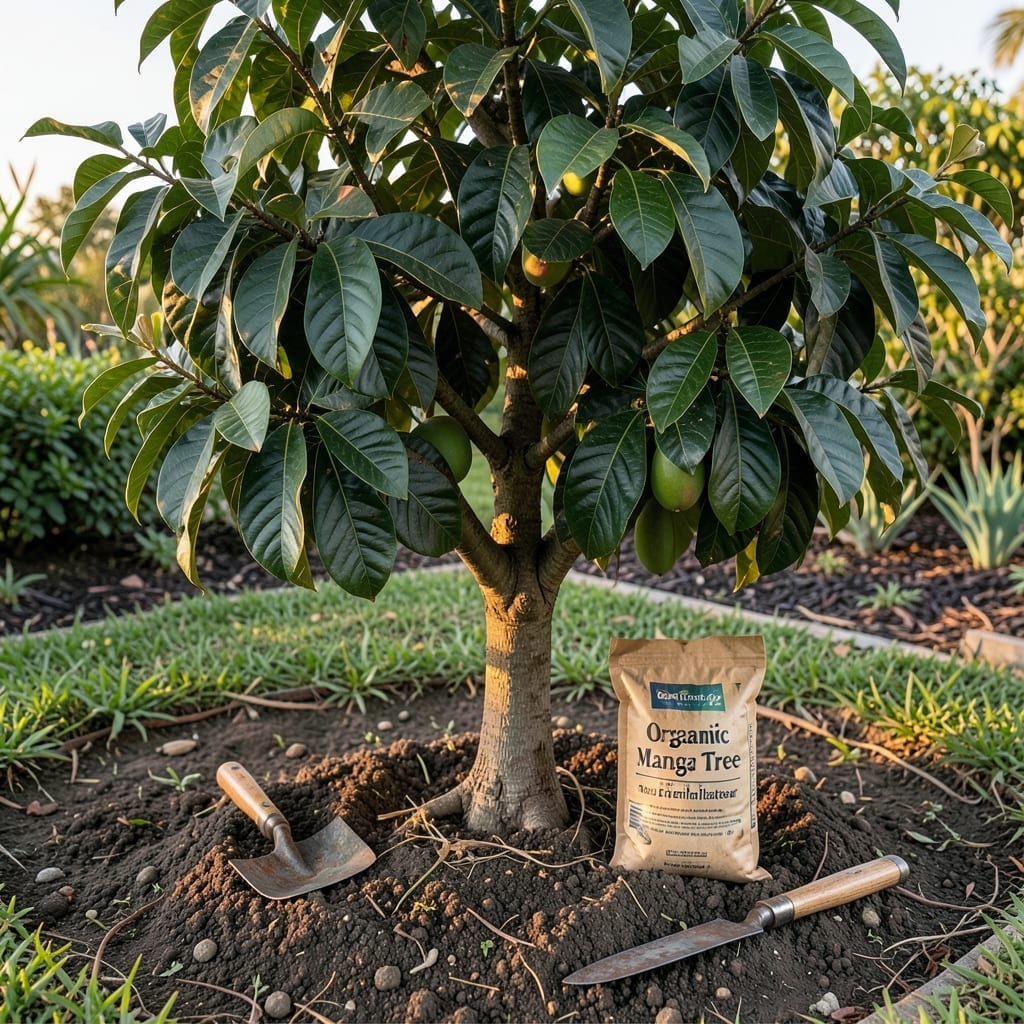
Timing your mango tree fertilization correctly can mean the difference between a mediocre harvest and bumper crops of sweet, juicy 🥭 fruit. Get the seasonal schedule wrong, and you risk wasting money or even harming your tree.
I’ve seen firsthand how a well-timed feeding schedule transforms a struggling mango tree into a thriving one. The key is aligning your efforts with the tree’s natural growth cycles.
Discover the best times to fertilize, what nutrients to prioritize, and how to avoid common pitfalls. Your mango tree will thank you with a bigger, tastier harvest.
Getting the timing right for fertilizing mango trees can drastically improve your harvest. I’ve learned that aligning fertilization with the tree’s growth stages is crucial for optimal fruit production and overall health.
Each season brings different needs. In spring, your tree is gearing up for growth, while summer demands maintenance, and fall is about preparing for the next cycle. Winter, however, is a time to rest.
| Season | Action | Nutrient Focus |
|---|---|---|
| Spring | FEED | Balanced NPK |
| Summer | Light Feed | High Potassium |
| Fall | FEED | Balanced NPK |
| Winter | Skip | None |
In spring, I recommend applying a balanced fertilizer like 6-6-6 or 8-3-9 to support new growth. This is when your mango tree is building leaves and preparing for flowering.
Once summer hits, switch to a light feeding schedule. Focus on potassium-rich fertilizers to help with fruit development. Avoid overdoing it, as too much can stress the tree during hot months.
In fall, another round of balanced fertilizer helps the tree recover from fruiting and build reserves for the next season. This is especially important for mature trees that have produced heavily.
Winter is the only time I skip fertilizing entirely. Mango trees enter a dormant phase, and adding fertilizer now can disrupt their natural cycle. Instead, focus on pruning and maintaining soil health.
For young trees, I start with half the recommended dose to avoid burning their developing roots. Gradually increase as the tree matures. Always water deeply after applying fertilizer to help it soak into the soil.
Monitor your tree for signs of nutrient deficiency, like yellowing leaves or stunted growth. These can indicate it’s time to adjust your fertilization schedule. Remember, consistency is key—stick to a routine for the best results.
Finally, always apply fertilizer in the early morning or late afternoon to prevent evaporation and ensure the nutrients reach the roots effectively.
I’ve found that mango trees often show clear signs when they need a nutrient boost. Look for yellowing leaves, stunted growth, or poor fruit production—these are red flags that your tree might be hungry.
Another sign is leaf drop outside of normal seasonal patterns. If your tree is shedding leaves when it shouldn’t, it might be crying out for balanced fertilization. Don’t ignore these warnings, as they can lead to long-term damage. 🌿
⚠️ Warning: Over-fertilizing can burn roots and harm your tree. Always follow recommended application rates and avoid fertilizing during dormant periods.
One of the biggest mistakes I see is using the wrong NPK ratio. Mango trees thrive on balanced fertilizers like 6-6-6, but during fruiting, switch to high-potassium options to support fruit development.
Another common error is fertilizing at the wrong time. Apply fertilizer in early morning or late afternoon to prevent evaporation. Avoid midday applications, as the heat can stress the tree and waste nutrients.
Also, never fertilize a drought-stressed tree. Always water deeply before and after applying fertilizer to help it absorb nutrients effectively. This simple step can make a huge difference in your tree’s health.
Finally, test your soil before assuming what your tree needs. A soil test can reveal deficiencies in nitrogen, phosphorus, or potassium, allowing you to tailor your approach. This proactive step ensures you’re providing exactly what your mango tree requires. 🌱