
Beautiful Plants For Your Interior
Beautiful Plants For Your Interior
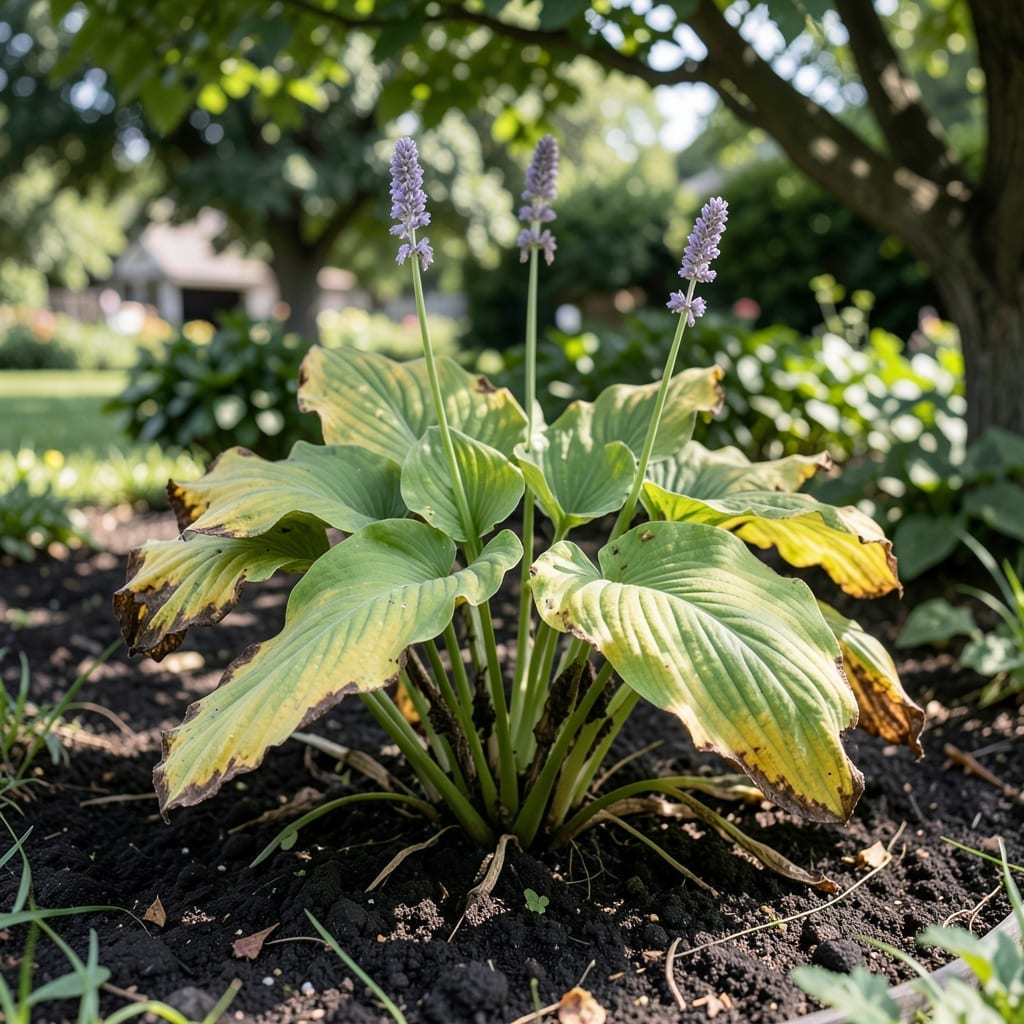
Yellowing leaves and mushy stems screamed trouble the first time I saw my hostas drowning. I learned the hard way that too much water does more damage than too little.
Overwatering suffocates the roots, turning your lush green plants into wilting messes. The soil stays soggy for days, and the leaves turn yellow or brown at the edges.
Here’s the thing—this is fixable. Stop watering immediately, check the drainage, and let the soil dry out. Most hostas bounce back within 2-3 weeks.
Prevention is simpler than you think: water only when the top inch of soil feels dry. Your hostas will thank you with vibrant green growth all season.
Hostas thrive in moist but well-draining conditions, and overwatering disrupts this balance, leading to root suffocation and disease. Here’s why it happens:
Many gardeners assume hostas need constant moisture, but overzealous watering fills soil pores, pushing out oxygen. Roots require aeration to absorb nutrients and respire. Without it, they drown, turning mushy and brown. Stick to 1–1.5 inches of water per week, including rainfall, and always check soil moisture 2 inches deep before watering again.
Heavy clay or compacted soil retains water like a sponge, creating a waterlogged environment. Hostas prefer loamy, well-draining soil with organic matter (like compost) to improve structure. If your soil drains poorly, amending it with perlite or coarse sand can prevent water from pooling around roots.
Potted hostas are especially vulnerable. Oversized containers hold excessive moisture, while shallow ones lack space for proper drainage. Always use pots with drainage holes and a soil mix designed for moisture control (e.g., 50% potting soil, 30% perlite, 20% compost).
Extended periods of rain or high humidity slow evaporation, keeping soil soggy. In such climates, reduce supplementary watering and ensure hostas are planted in raised beds or slopes to encourage runoff. Mulching with bark or straw can help, but avoid piling it against the stem.
Here’s how to nurse your hosta back to health, step by step. Address the root causes first, then adjust your care routine to prevent a repeat.
If the soil stays waterlogged, stop watering immediately. Gently loosen the top 2–3 inches of soil with a fork to help it dry faster. For potted hostas, tilt the container to drain excess water and move it to a shady, breezy spot. Prevention tip: 💡 Mix in perlite or coarse sand to improve soil drainage before planting.
Check the roots—if they’re mushy and dark, root rot has set in. Trim away affected roots with clean shears, then repot the plant in fresh, well-draining soil. Use a container with drainage holes if it’s potted. Prevention tip: 🌡️ Water only when the top inch of soil feels dry to the touch.
Yellow leaves often signal overwatering. Let the soil dry out slightly between waterings. If the hosta is in a low spot, consider relocating it to higher ground where water won’t pool. Prevention tip: ✨ Use a moisture meter to avoid guesswork—hostas prefer consistently moist (not soggy) soil.
If your hosta is in a pot without drainage holes, transfer it to one that does. Terra cotta pots are ideal because they wick away excess moisture. Elevate the pot on feet or a stand to ensure water flows out freely. Prevention tip: 🎯 Always choose pots with drainage, and empty saucers after watering.
Water when the top 1 inch of soil feels dry. In most climates, this means 1-1.5 inches per week, including rain. Always check soil moisture before adding more.
Once leaves turn yellow from overwatering, they won’t recover. Focus on fixing the soil conditions and new growth will emerge healthy. Remove damaged leaves to redirect energy.
Use well-draining loamy soil amended with perlite or coarse sand. For containers, mix 50% potting soil, 30% perlite, and 20% compost for ideal moisture control.
Yes, relocate to higher ground or a raised bed if water pools around the roots. Ensure the new spot has good drainage and partial shade for best results.