
Beautiful Plants For Your Interior
Beautiful Plants For Your Interior
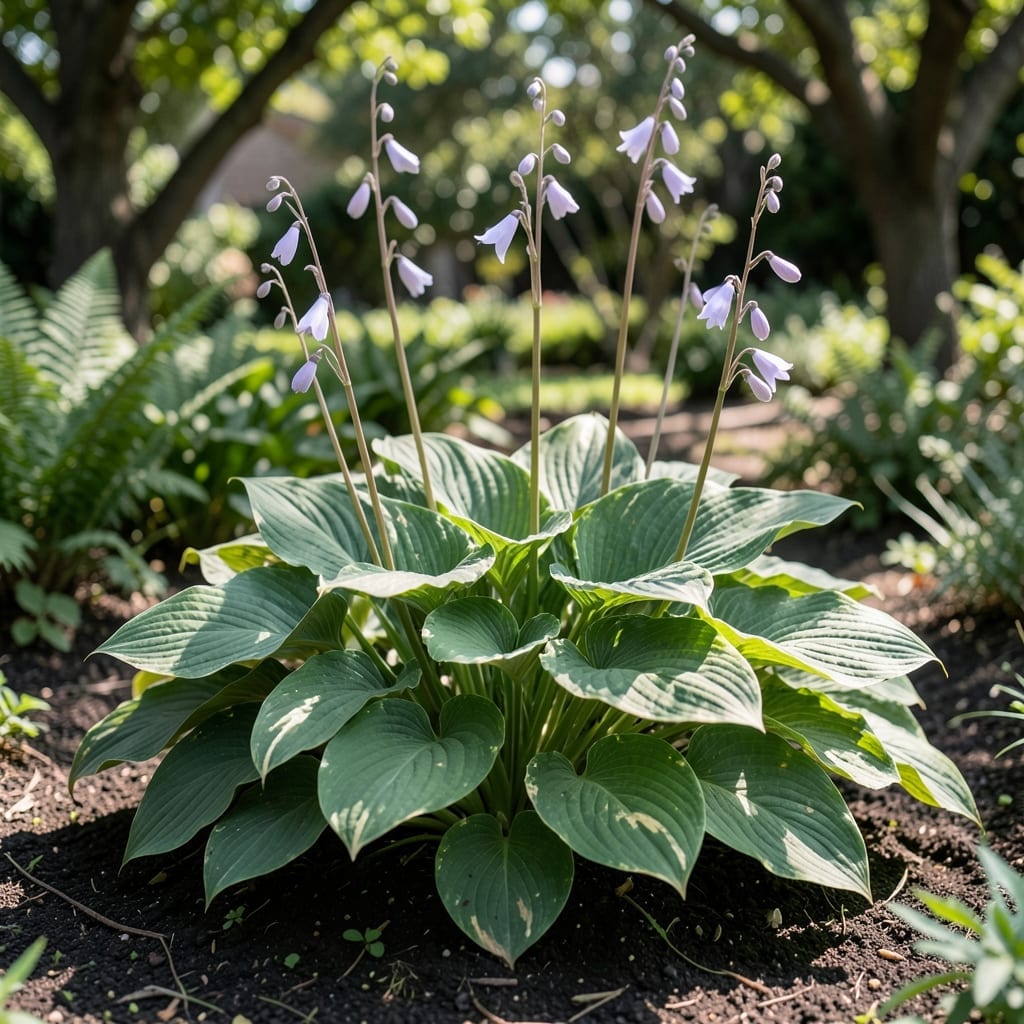
If you’ve ever struggled to keep your garden looking vibrant, you’re not alone. The truth is, many plants have very specific needs when it comes to light, and getting it wrong can lead to lackluster results.
Hostas 🌿 are a prime example. These popular perennials are known for their stunning foliage, but their light preferences can be confusing. Too much sun can scorch their leaves, while too much shade might leave them looking dull.
I’ve spent years perfecting my approach, and I’m here to share what works. Whether you’re a seasoned gardener or just starting out, understanding these basics will set you up for success.
Discover how to create the ideal environment for your Hostas to thrive, no matter your garden layout.
 Best Window Placement
If you’ve ever wondered do hostas prefer sun or shade, the answer is clear: they’re shade-loving plants at heart. In their natural woodland habitat, hostas thrive under tree canopies where sunlight is filtered.
This preference makes them perfect for shady garden spots where other plants struggle. Their large leaves are adapted to low light, using chlorophyll efficiently to produce energy.
| Light Condition | Effect on Hostas |
| Full Shade | Lush, vibrant foliage color |
| Partial Shade | Balanced growth and size |
| Filtered Sun | Healthy with morning sun |
| Full Sun | Risk of leaf scorch |
I’ve found that full shade produces the most vibrant leaf colors, especially in blue and green varieties. The lack of direct sun prevents leaf bleaching and keeps foliage looking rich.
In partial shade (about 4-6 hours of dappled light), hostas grow more compact with slightly smaller leaves. This is ideal for garden borders or under deciduous trees.
Filtered sunlight works well too, particularly morning sun which is gentler. This mimics their forest floor origins and encourages healthy growth without stress.
However, full sun exposure is risky. Hostas in direct afternoon sun often develop brown edges or scorched leaves. Their thin leaves aren’t built for intense UV rays.
For best results, I plant hostas where they get morning light but are protected by shade in the hottest part of the day. This balance keeps them thriving year after year.
The soil moisture also plays a role. In shadier spots, soil stays damp longer, which hostas love. Just ensure the soil drains well to prevent root rot.
If you must place them in sunnier areas, choose sun-tolerant varieties like ‘Sun Power’ or ‘August Moon’. These have thicker leaves that handle light better.
🌿
While hostas thrive in shade, some varieties can handle morning sun with proper care. I’ve found that blue hostas and golden varieties often tolerate more light than green types.
However, too much sun can scorch their leaves, causing brown edges or bleached centers. If you want to try sun exposure, start with dappled shade and monitor closely.
For sun-tolerant hostas, I recommend ‘Sun Power’ or ‘Guacamole’ varieties. These can handle 4-6 hours of morning sun when planted in moist, rich soil.
To protect hostas in sun, I always use 2-3 inches of mulch to retain moisture. Water deeply in the morning, and consider shade cloth during peak afternoon heat.
If you notice wilting or yellowing, it’s a sign your hosta needs less sun or more water. Move it to a shadier spot gradually over 1-2 weeks.
Remember, even sun-tolerant hostas prefer filtered light over direct, harsh sun. The key is observation and adjustment based on your garden’s conditions. 🌿