
Beautiful Plants For Your Interior
Beautiful Plants For Your Interior
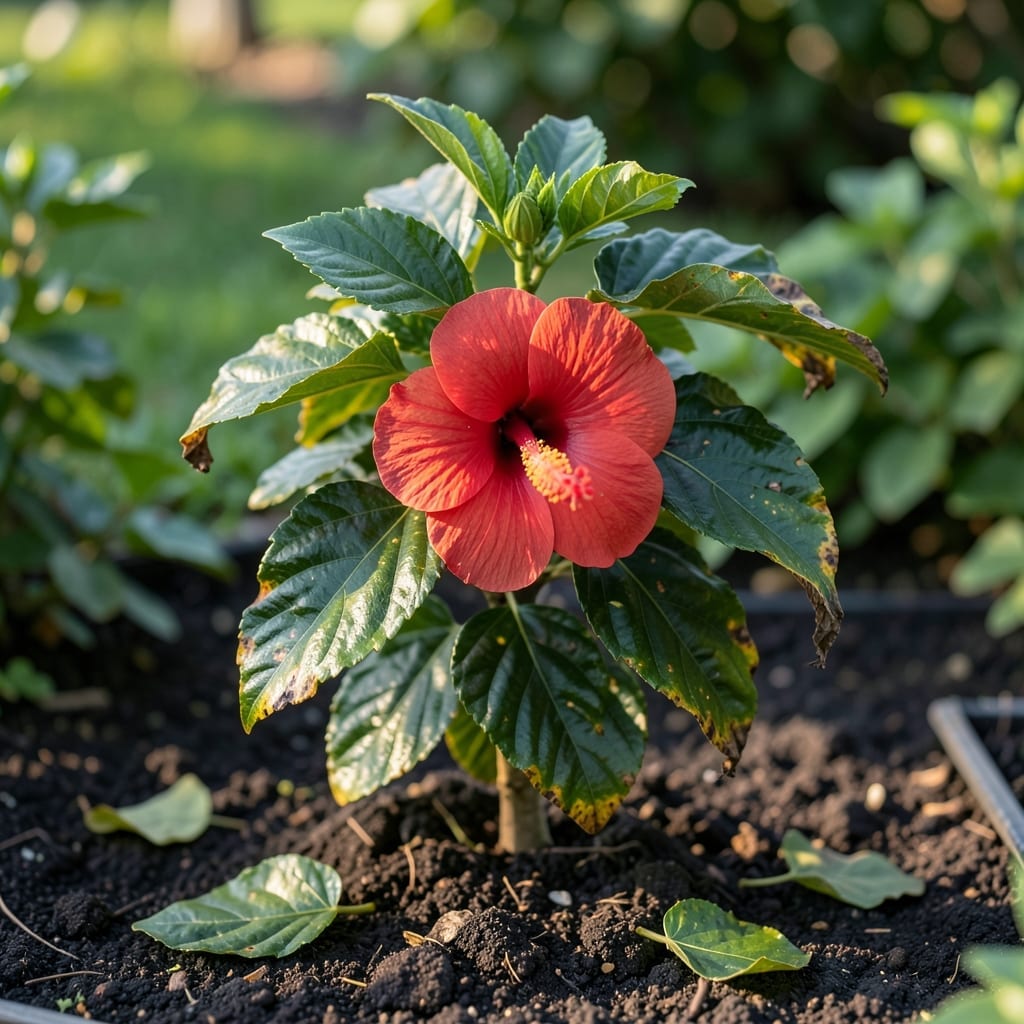
My hibiscus looked like it was giving up last summer. Drooping leaves, yellow blooms falling off before opening—classic signs of too much love from the watering can.
Here’s the thing—hibiscus plants drown just as easily as they thirst. The roots need air pockets in the soil, and constant moisture suffocates them. I learned this after killing two plants with kindness.
You’ll know it’s overwatering when the leaves turn yellow but stay soft, not crispy. The soil stays soggy days after watering, and the plant just looks sad. Recovery starts with one simple step.
Works for potted plants and garden beds alike. Let’s fix this before the damage becomes permanent.
Overwatering hibiscus plants is often the result of well-meaning but misguided care. Understanding the root causes can help you adjust your routine and revive your plant. Below are the most common reasons why hibiscus succumbs to overwatering.
Hibiscus roots thrive in well-aerated soil. When pots lack drainage holes or soil retains too much moisture (e.g., clay-heavy mixes), roots suffocate. Saturated soil blocks oxygen uptake, leading to root rot—a primary cause of wilting and yellowing. Always use containers with drainage and a lightweight, perlite-rich potting mix.
Many gardeners water on a fixed schedule (e.g., daily) rather than checking soil moisture. Hibiscus prefers the top 1–2 inches of soil to dry out between waterings. Overwatering disrupts the plant’s natural osmosis, causing cells to burst and leaves to turn yellow or drop. Test soil with your finger—if it’s damp, wait!
Cooler temperatures or low light slow evaporation, leaving soil soggy longer. Hibiscus in shaded areas or during cloudy seasons needs less frequent watering. Similarly, high humidity (common in greenhouses) reduces transpiration, so adjust watering accordingly to prevent waterlogged roots.
Large containers hold excess moisture, increasing the risk of root rot. Hibiscus roots can’t absorb all the water in an oversized pot, leading to stagnation. Choose pots only 1–2 inches wider than the root ball to ensure proper moisture balance.
Reviving an overwatered hibiscus starts with quick, targeted action. Below are practical fixes mapped to common symptoms, along with tips to keep your plant thriving long-term.
If leaves turn yellow, stop watering immediately and let the soil dry out. Check moisture by sticking your finger 1-2 inches into the soil—if it feels damp, wait. Resume watering only when the top inch is dry. Use a pot with drainage holes to prevent waterlogging.
Prevention tip: 💡 Water deeply but less frequently—once a week is often enough for established hibiscus in warm climates.
Wilting despite wet soil usually means roots are suffocating. Repot the plant in fresh, well-draining potting mix (add perlite or sand for aeration). Trim any black, mushy roots with clean scissors before repotting. Avoid heavy garden soil, which retains too much moisture.
Prevention tip: ✨ Elevate pots on feet or a stand to ensure excess water drains away from roots.
For severe cases with foul-smelling, dark roots, act fast. Remove the plant, prune affected roots, and soak the remaining healthy roots in a fungicide solution (or diluted hydrogen peroxide) for 10 minutes. Repot in clean soil and a sterilized container.
Prevention tip: 🎯 Use terracotta pots—they wick away moisture better than plastic.
If leaves are falling, reduce humidity around the plant and move it to a spot with gentle airflow. Avoid misting until the plant recovers. Ensure it gets 6+ hours of sunlight daily to help evaporate excess moisture.
Prevention tip: 🌡️ Group plants loosely to allow air circulation and prevent fungal issues.
With these steps, your hibiscus can bounce back in 2–4 weeks. Stay consistent, and adjust care based on your plant’s response!
Look for yellowing leaves that stay soft, not crispy. The soil will feel soggy days after watering, and the plant may droop despite the wet conditions. A simple finger test in the soil will confirm excess moisture.
No, daily watering is usually too much. Hibiscus prefers the top 1–2 inches of soil to dry out between waterings. In warm climates, once a week is often sufficient for established plants.
Yes, but act quickly. Remove the plant, trim black mushy roots, and soak healthy roots in a fungicide or diluted hydrogen peroxide for 10 minutes. Repot in fresh, well-draining soil.
Use terracotta pots with drainage holes. They wick away moisture better than plastic. Ensure the pot is only 1–2 inches wider than the root ball to avoid excess soil moisture.