
Beautiful Plants For Your Interior
Beautiful Plants For Your Interior
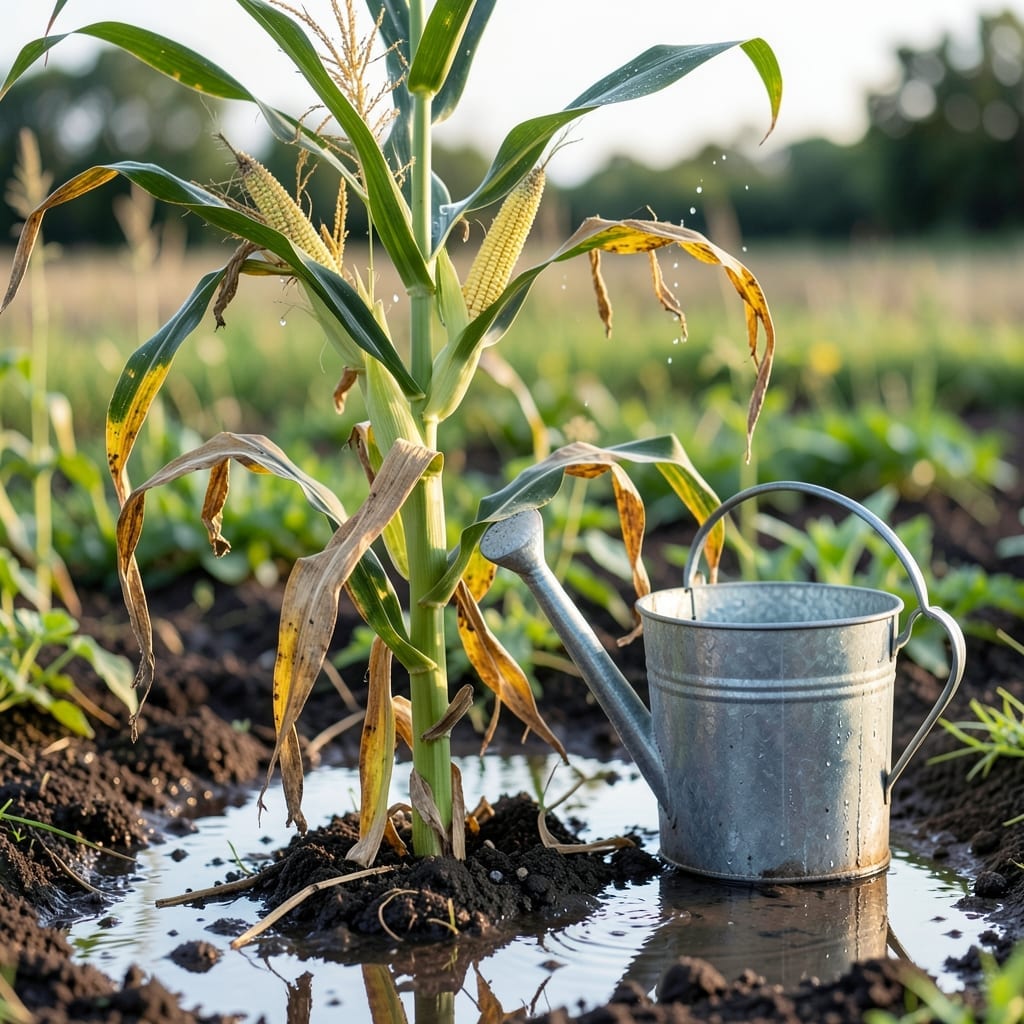
Yellowing leaves and soggy soil spell trouble for your corn plant. I’ve rescued more than a few from the brink by catching the early signs—soft stems, black roots, and that telltale musty smell.
Overwatering suffocates roots before you even see the damage above ground. The fix starts with stopping the water and letting the soil dry out completely. Then, it’s about trimming the rot and giving the plant a fresh start.
Within 2-3 weeks, you’ll see new growth if the core roots survived. The key is patience and resisting the urge to water again too soon.
Works for potted plants in any indoor space. Here’s how to bring it back to life.
Understanding why overwatering happens is the first step to preventing it. Corn plants, like most houseplants, thrive on a balance of moisture and oxygen in the soil. When that balance tips, problems arise. Below are the most common causes, explained with actionable insights.
Many plant owners assume corn plants need frequent watering, but their roots require aeration as much as hydration. Watering too often—especially before the top 1-2 inches of soil dry out—drowns the roots. The soil becomes waterlogged, reducing oxygen availability and promoting anaerobic conditions, which suffocate root cells.
Pots without drainage holes or those with compacted soil trap excess water. Even if you water correctly, stagnant water at the bottom of the pot creates a breeding ground for Pythium and Phytophthora—fungi that cause root rot. Always use containers with drainage and a well-draining potting mix (e.g., perlite or sand amended soil).
Planting a corn plant in a pot too large for its root system leads to overwatering indirectly. The excess soil retains moisture longer than the roots can absorb, increasing the risk of waterlogging. Choose a pot only 1-2 inches wider than the root ball to maintain proper moisture balance.
Corn plants in low-light or cool environments (below 60°F/15°C) use water more slowly. If you water on the same schedule as in warmer, brighter conditions, the soil stays soggy. Adjust your watering routine seasonally—less in winter, more in summer—and match it to the plant’s light exposure.
If your corn plant is showing signs of overwatering, act quickly to revive it. Here’s how to tackle the most common issues:
Stop watering immediately and let the soil dry out. Stick your finger 2 inches into the soil—if it feels damp, wait a few days before watering again. Use a moisture meter for precision. Prevention tip: Water only when the top 1-2 inches of soil are dry. 💡
If the pot lacks drainage holes, repot your corn plant into a container with proper drainage. Use a well-draining potting mix (e.g., cactus or succulent mix) to prevent waterlogging. Elevate the pot to avoid standing water. Prevention tip: Always use pots with drainage holes. ✨
Gently remove the plant from its pot and inspect the roots. Trim away any black, mushy roots with clean scissors. Repot in fresh, dry soil and avoid watering for a week. Prevention tip: Ensure the pot isn’t too large—excess soil retains moisture. 🎯
Move the plant to a spot with bright, indirect light and moderate humidity. Avoid cold drafts or direct sunlight, which can stress an already weakened plant. Prevention tip: Group plants together to raise humidity naturally. 🌡️
With these fixes, your corn plant should bounce back in no time! Stick to a consistent care routine to keep it thriving.
Water only when the top 1-2 inches of soil are dry. In most homes, this means every 7-10 days. Always check soil moisture first to avoid overwatering.
Look for yellowing leaves, soft stems, or a musty smell from the soil. Drooping leaves and black, mushy roots are later symptoms of root rot. Act quickly if you notice these.
Yes! Trim all black, mushy roots with clean scissors. Repot in fresh, dry soil and avoid watering for 1 week. This gives healthy roots time to recover.
Oversized pots hold excess soil that stays wet too long. Use a container just 1-2 inches wider than the root ball for best results.