
Beautiful Plants For Your Interior
Beautiful Plants For Your Interior
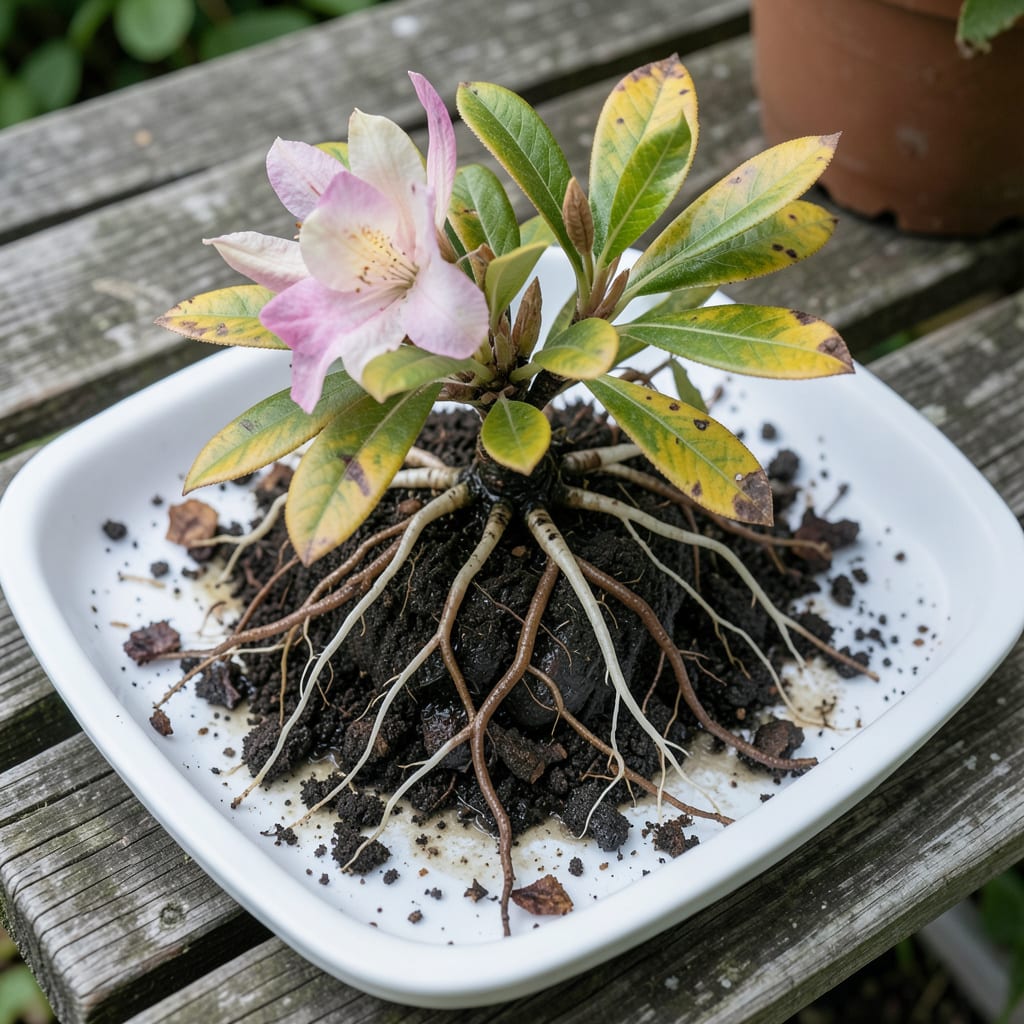
Your azaleas aren’t just wilting—they’re sending an SOS. I’ve lost count of how many shrubs I’ve seen decline from root rot, often misdiagnosed as drought stress or winter burn until it was too late.
Yellowing leaves, stunted growth, and soft brown roots are the tell-tale signs this fungus has taken hold. The problem starts underground where you can’t see it, but the symptoms above ground are impossible to ignore once you know what to look for.
Here’s the thing—root rot thrives in soggy soil, and azaleas hate wet feet. The fix involves improving drainage, adjusting watering habits, and sometimes removing affected plants to save the rest. Recovery is possible with the right approach.
Catching it early makes all the difference between a full comeback and a dead shrub.
Azalea root rot doesn’t happen by chance—it’s usually the result of specific environmental or cultural conditions that favor Phytophthora and other soil-borne pathogens. Here’s a breakdown of the most common causes:
Azaleas thrive in moist but well-drained soil. When roots sit in waterlogged soil, oxygen levels drop, stressing the plant and creating the perfect breeding ground for Phytophthora cinnamomi, the primary fungus-like organism responsible for root rot. Compacted or clay-heavy soils exacerbate this by trapping water around the roots.
Reusing soil or potting mix from previously infected plants is a direct transmission route. Pathogens like Phytophthora can survive in soil for years, especially in shaded, damp areas. Even new potting mixes may harbor spores if not sterilized. Always use fresh, pasteurized mix for azaleas.
Azaleas planted in dense, poorly ventilated areas (e.g., under thick mulch or in crowded beds) retain excessive moisture around their roots. High humidity slows evaporation, keeping the root zone damp. Prune nearby vegetation and ensure proper spacing (3–5 feet apart) to improve airflow.
Phytophthora thrives in temperatures between 60–85°F (15–29°C) with consistent moisture. Heavy rainfall or frequent irrigation during these conditions accelerates spore germination and root infection. Monitor weather forecasts and adjust watering schedules during warm, wet periods.
Damaged roots—from rough transplanting, mechanical injury, or chemical burns (e.g., over-fertilization)—are more susceptible to infection. Stress weakens the plant’s natural defenses, allowing pathogens to invade. Handle azaleas gently during repotting and avoid high-nitrogen fertilizers near the root zone.
Root rot in azaleas can be reversed if you act quickly. Below are targeted solutions for each major cause, paired with practical prevention tips to keep your plants thriving.
If soggy soil is the culprit, stop watering immediately and let the top 2–3 inches of soil dry out before watering again. Use a moisture meter or the finger test: stick your finger in the soil—if it feels damp, hold off. Water deeply but infrequently, aiming for 1 inch per week (including rain).
Prevention: Plant azaleas in well-draining, acidic soil (pH 4.5–6.0) and use mulch to retain moisture without waterlogging.
For Phytophthora or Pythium infections, remove severely affected roots (dark, mushy) with sterilized pruners. Treat the remaining roots and soil with a copper-based fungicide or Bacillus subtilis (a beneficial bacteria). Follow label instructions for dosage and reapplication.
Prevention: Avoid overhead watering to keep foliage dry, and rotate fungicides to prevent resistance. Sterilize tools between uses with rubbing alcohol.
If your azalea sits in a low spot or heavy clay, amend the soil with compost, pine bark fines, or perlite to boost drainage. For potted azaleas, ensure containers have drainage holes and use a soilless mix (e.g., peat + perlite).
Prevention: Raise garden beds or plant azaleas on slight mounds to prevent water pooling. Test drainage by digging a 1-foot hole—if it doesn’t empty in 12 hours, improve the soil.
Look for yellowing leaves, wilting despite moist soil, and stunted growth. The most telling sign is soft, brown or black roots instead of firm white ones when you gently check the root system.
Overwatering, poor drainage, and contaminated soil are the main culprits. Phytophthora fungus thrives in soggy conditions, so heavy clay soil or lack of airflow can quickly create the perfect environment for infection.
Yes, if caught early! Remove affected roots, improve drainage, and treat with fungicide. Be patient—recovery takes 4-8 weeks of consistent care and proper watering habits.
Use well-draining, acidic soil (pH 4.5-6.0) amended with compost or pine bark. For containers, choose a soilless mix with perlite to ensure excess water can escape easily.
