
Beautiful Plants For Your Interior
Beautiful Plants For Your Interior
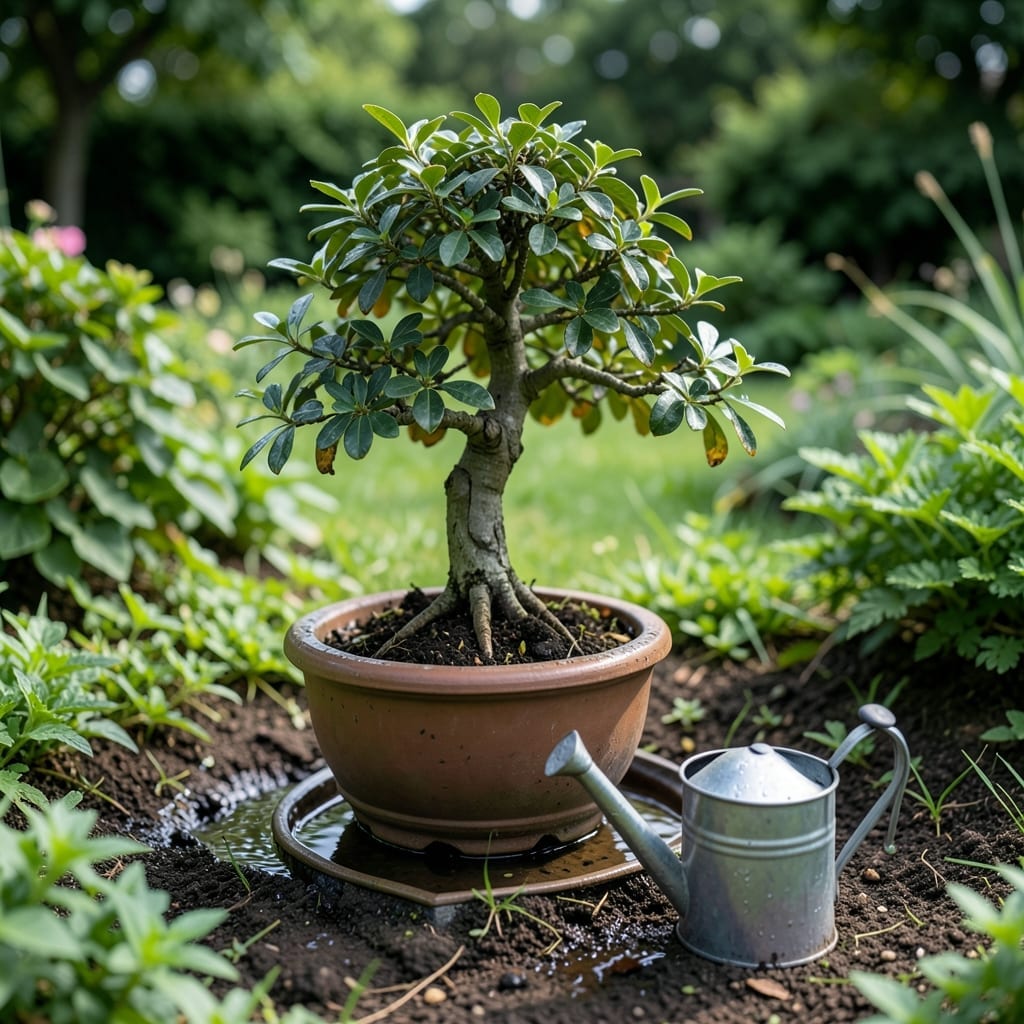
Yellow leaves and soggy soil spelled disaster for my first bonsai. I nearly lost it to overwatering before learning the warning signs—drooping foliage, black stems, and that telltale sour smell from the pot.
Here’s the thing—bonsai hate wet feet. The fix starts with stopping all water immediately, then checking the roots. Healthy ones are firm and white; mushy brown ones need trimming right away.
After pruning, repot in fresh, fast-draining soil. A well-ventilated spot with indirect light helps recovery. Most bounce back within 2-3 weeks if caught early.
Prevention is simpler than rescue: water only when the top inch of soil feels dry. No exceptions.
Overwatering a bonsai tree is often the result of well-meaning but misguided care. Understanding the root causes (pun intended 🌱) helps you avoid this common issue. Here’s why it happens:
Bonsai trees, like all plants, need water—but too much, too often suffocates the roots. Unlike larger trees, bonsai live in small pots with limited drainage. Frequent watering prevents the soil from drying out between sessions, leading to oxygen deprivation. Roots require both water and air to function; without it, they rot.
A pot without adequate drainage holes traps water at the bottom, creating a stagnant, anaerobic environment. Even if the topsoil appears dry, the roots may sit in a waterlogged zone. Use pots with multiple drainage holes and a well-draining soil mix (e.g., akadama, pumice, or lava rock) to prevent this.
Standard potting soil retains too much moisture for bonsai. These trees thrive in fast-draining, aerated mixes that mimic their natural habitats. Dense, organic-heavy soils (like peat moss) hold water for extended periods, increasing the risk of overwatering. Opt for inorganic components to improve airflow.
Seasonal changes and microclimates affect watering needs. In cool, humid conditions, soil stays moist longer, while hot, dry climates may require more frequent watering. Ignoring these factors leads to overwatering. Always check soil moisture with your finger—water only when the top layer feels slightly dry.
New bonsai owners often overwater to “help” the tree grow faster. However, overwatering stunts growth by damaging roots and reducing nutrient uptake. Bonsai thrive on consistency, not excess. Stick to a schedule based on the tree’s species, pot size, and environment.
Don’t panic if you’ve overwatered your bonsai—there’s still hope! 🌱 Here’s how to fix the problem based on the symptoms you’re seeing.
Stop watering immediately and move your bonsai to a bright, airy spot away from direct sunlight. Remove the tree from its pot and inspect the roots—trim any mushy, black, or foul-smelling ones with sterilized scissors. Repot in fresh, well-draining soil (like akadama or pumice mixes) and wait until the top inch of soil is completely dry before watering again.
Prevention tip: 💡 Stick your finger in the soil—only water when the top layer feels dry to the touch.
If your bonsai is wilting despite wet soil, the roots are likely suffocating. Elevate the pot to ensure water drains freely, and check for clogged drainage holes. Switch to a pot with multiple drainage holes and use a coarse, inorganic soil mix to prevent waterlogging. Avoid saucers that trap excess water.
Prevention tip: 🌡️ Use a moisture meter to monitor soil hydration—aim for 30-40% moisture for most bonsai species.
White mold or a sour smell means fungal growth. Remove all affected soil and roots, then soak the remaining healthy roots in a 1:10 hydrogen peroxide-to-water solution for 10 minutes to disinfect. Repot in sterilized soil and a clean pot. Reduce humidity around the tree by improving airflow with a small fan (on low).
Prevention tip: ✨ Avoid misting your bonsai excessively—overhead watering can promote fungal growth.
If your bonsai isn’t growing, it might be recovering from overwatering. Hold off on fertilizer (it can burn stressed roots) and water only when the soil is dry. Gradually reintroduce a balanced, diluted fertilizer once new growth appears.
Prevention tip: 🎯 Follow a seasonal watering schedule—bonsai need less water in winter and more in summer.
Yellow leaves, soft black stems, and a sour smell from the soil are classic signs. Also check for soggy soil that stays wet for days or mold growing on the surface.
Stop watering immediately and move it to a bright, airy spot. Remove the tree from its pot to inspect roots—trim any mushy, dark ones before repotting in fresh, fast-draining soil.
Yes, if caught early. Prune affected roots, disinfect healthy ones with 1:10 hydrogen peroxide solution, and repot. Recovery takes 2-3 weeks with proper care.
Wait until the top 1 inch of soil feels dry. This may mean watering less frequently than before. Always check soil moisture with your finger first.