
Beautiful Plants For Your Interior
Beautiful Plants For Your Interior
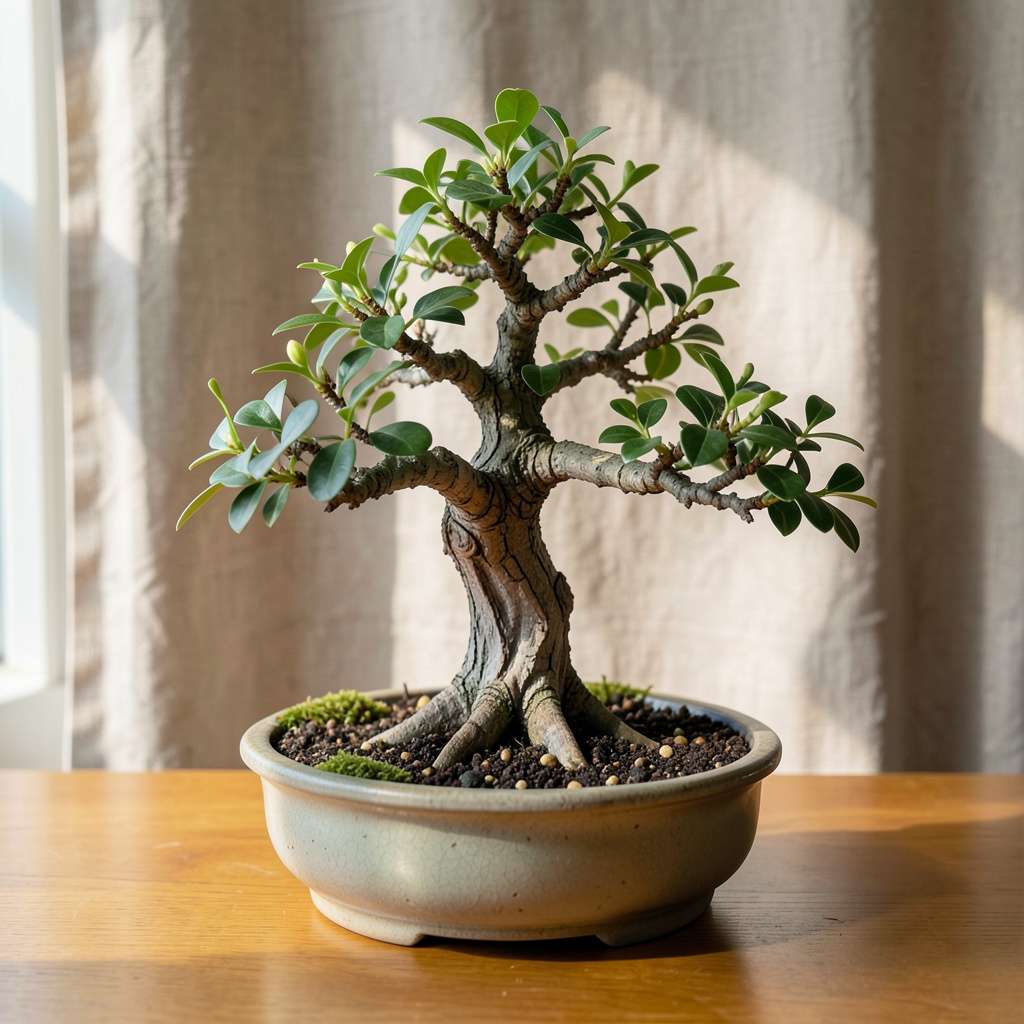
Bonsai trees stay small through regular pruning of roots and foliage, controlled pot size to restrict growth, and careful watering/fertilizing to limit development while maintaining health. Genetic dwarfing isn’t used—it’s all about cultivation techniques.
This art form transforms ordinary trees into living sculptures through deliberate stress management. 🌳 I’ve found that the magic happens in the balance—trimming roots every 2-3 years forces the tree to focus energy on what remains, while strategic leaf pruning creates that signature dense branching. The shallow containers aren’t just for show; they physically limit root expansion while making water and nutrient absorption a controlled challenge. What fascinates me most is how these techniques mimic harsh natural conditions, tricking the tree into staying perpetually youthful without ever stunting its vitality.
💡 In This Article
At the heart of bonsai miniaturization lies hormonal manipulation through precise pruning. When you trim roots every 2-3 years, you’re disrupting the auxin production in root tips—this hormone normally signals upward growth. The remaining roots respond by producing more cytokinins, which promote lateral branching instead of vertical expansion.
I’ve observed that removing just 30-50% of the root mass during repotting creates enough stress to maintain miniature proportions while keeping the tree vigorous.
Leaf pruning works through a different mechanism called “apical dominance.” By selectively removing new shoots and leaves (particularly the terminal buds), you force the tree to redirect its energy to secondary buds. This creates that signature dense, twiggy appearance.
🌿 For deciduous species like maples, I recommend removing 2-4 leaves per branch during the growing season—enough to stimulate back-budding without weakening the tree. The timing matters: spring pruning capitalizes on the tree’s natural growth surge.
The pot’s physical constraints play a crucial role in nutrient limitation. A shallow container (typically 2-6 inches deep) restricts root spread and reduces the soil volume available for water and nutrient storage. This creates controlled stress that mimics drought conditions in nature.
What’s fascinating is how the tree adapts by developing finer root hairs to maximize absorption efficiency—similar to how desert plants survive with minimal resources. The pot’s drainage holes also prevent waterlogging, which would otherwise stimulate excessive growth.
Water management becomes a powerful growth regulator. By allowing the soil to dry slightly between waterings (but never completely), you induce mild water stress that slows cellular expansion. I use the “finger test”—watering only when the top ½ inch of soil feels dry.
This technique, combined with reduced fertilizer strength (half the recommended dose), maintains health while preventing the rapid growth seen in garden trees. The result is smaller leaves and shorter internodes—the hallmarks of mature bonsai.
Seasonal adjustments fine-tune this balance. During active growth periods (spring through early summer), I increase watering frequency slightly and apply balanced fertilizer every 2-3 weeks. But as autumn approaches, I gradually reduce both to prepare the tree for dormancy.
This cyclical stress pattern prevents the tree from ever achieving its genetic potential size while maintaining its miniature proportions indefinitely. The art lies in keeping the tree perpetually in a “controlled stress” state that’s severe enough to limit growth but gentle enough to sustain health.
Structural pruning happens every 1-2 years during early spring, while maintenance pruning occurs throughout the growing season. For most species, I recommend pinching back new growth every 4-6 weeks during active growth periods.
Root pruning is less frequent—typically every 2-5 years depending on the species and pot size. Always check root health before cutting; healthy roots should be firm and light-colored.
Virtually any woody plant can become bonsai, but some species adapt better than others. Conifers like pine and juniper are classic choices, while tropicals like ficus tolerate indoor conditions well. The key is selecting species with naturally small leaves or needles.
Avoid trees with aggressive growth habits or large leaves (like oak or maple) unless you’re prepared for constant pruning. Start with beginner-friendly species like Chinese elm or jade for best results.
Without regular pruning, your bonsai will gradually revert to its natural growth pattern. Branches will elongate, leaves will enlarge, and the tree will outgrow its container. This process can happen surprisingly quickly—some species show noticeable growth in just one season.
The artistic shape will also be lost as branches grow unevenly. Root-bound trees may suffer from nutrient deficiencies, showing yellowing leaves or stunted growth despite their increasing size.
Small leaves result from consistent defoliation techniques. For deciduous trees, partially defoliate by removing 2-4 leaves per branch during the growing season. This forces the tree to produce smaller replacement leaves with shorter internodes.
Proper light exposure is equally important—too little light causes “leggy” growth with larger leaves. Maintain consistent moisture and fertilizer levels to support healthy but controlled foliage development.
Wiring isn’t mandatory but helps create dramatic shapes and movement. Some species with naturally interesting growth patterns (like certain junipers) may need minimal wiring, while others require careful shaping to achieve the desired silhouette.
Always use aluminum or copper wire at a 45-degree angle and remove it before it cuts into the bark. For informal upright styles, wiring is essential to establish the primary curve of the trunk.
