
Beautiful Plants For Your Interior
Beautiful Plants For Your Interior
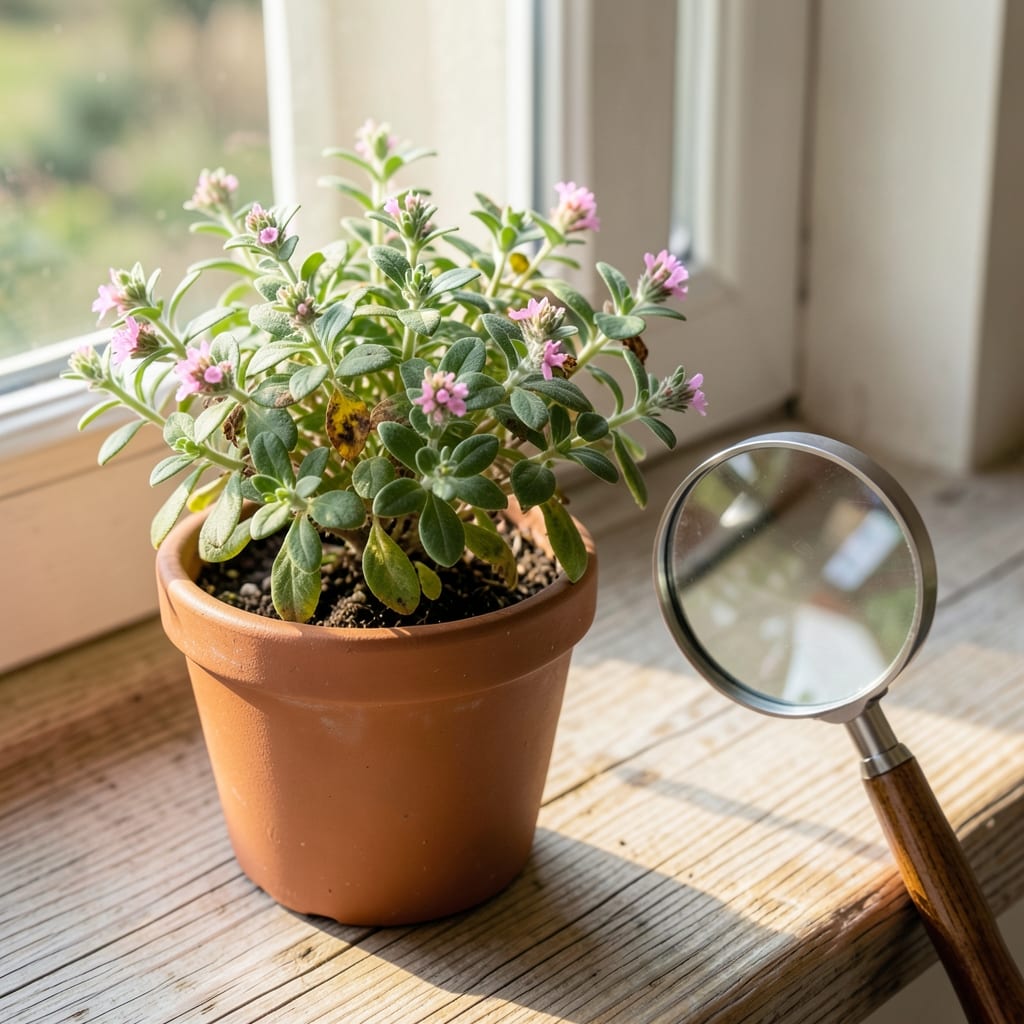
Yellowing leaves and wilting stems on your oregano can signal trouble. I’ve seen healthy patches turn overnight, and it usually comes down to just a few common culprits that thrive in wet, crowded conditions.
Most problems start with too much moisture or poor air flow. Once you recognize the early signs—spots, mold, or stunted growth—you can act before the whole plant suffers. Prevention beats cure every time with these.
With the right approach, your oregano can bounce back within weeks. The key is catching issues early and adjusting your care routine to keep plants strong and resistant.
Works for container plants, garden beds, or any setup where oregano grows. Here’s how to spot and stop the damage.
Oregano is a hardy herb, but even it can fall victim to diseases when conditions aren’t ideal. Understanding the root causes helps you prevent problems before they start. Here’s a breakdown of the most common triggers:
Fungal diseases like root rot and powdery mildew thrive in soggy soil. Oregano prefers well-draining, slightly dry conditions. Overwatering or poorly draining pots create a breeding ground for pathogens such as Phytophthora and Fusarium, which attack the roots and stems.
Stagnant, humid air encourages foliar diseases like leaf spot and downy mildew. Oregano needs good air circulation to keep its leaves dry. Crowded plantings or dense canopies trap moisture, allowing spores from fungi such as Alternaria or Peronospora to germinate and spread.
Oregano grows best in nutrient-rich, slightly alkaline soil. Compacted or nutrient-poor soil weakens the plant, making it more susceptible to infections. A lack of organic matter can also reduce beneficial microbial activity, leaving the plant vulnerable to soil-borne diseases like Verticillium wilt.
Insects like aphids and spider mites don’t just damage leaves—they also create entry points for viral and bacterial diseases. For example, aphids can transmit Oregano mosaic virus, while their feeding wounds invite secondary infections.
Extreme temperatures, sudden frosts, or prolonged drought can stress oregano, lowering its natural defenses. Stressed plants are more likely to succumb to opportunistic pathogens, including bacterial leaf blight (Pseudomonas syringae) or fungal rust.
When your oregano shows signs of trouble, quick and targeted action can save it. Below are practical fixes for common issues, paired with prevention tips to keep your plants thriving.
If leaves turn yellow, overwatering or poor drainage is often the culprit. Repot the plant in well-draining soil mixed with perlite or sand. Ensure the pot has drainage holes. Prevention: Water only when the top inch of soil is dry, and avoid soggy conditions. 💡 Pro tip: Terracotta pots help wick away excess moisture.
Tiny webs or speckled leaves? Spider mites thrive in dry conditions. Blast them off with a strong stream of water, then apply neem oil or insecticidal soap weekly. Isolate infested plants to prevent spread. Prevention: Mist leaves regularly to raise humidity and deter mites. 🌡️ Keep airflow steady but gentle.
Dark or fuzzy spots on leaves signal fungal diseases like leaf spot. Remove infected foliage immediately and discard it (don’t compost!). Apply a copper-based fungicide or a baking soda spray (1 tsp baking soda + 1 quart water + a drop of dish soap). Prevention: Space plants for airflow, and water at the base to keep leaves dry. ✨ Morning watering helps leaves dry faster.
Sudden wilting can mean underwatering, root rot, or too much sun. Check soil moisture—if bone-dry, water deeply. If soggy, let it dry out and trim black roots. Move plants to partial shade if leaves look scorched. Prevention: Mulch to retain moisture, and monitor sunlight exposure (4–6 hours daily is ideal).
Brown spots often signal leaf spot disease, usually fungal. Remove affected leaves immediately and avoid overhead watering. Treat with copper fungicide or a baking soda solution.
Ensure good airflow and water at the base, not the leaves. Thin crowded plants and avoid evening watering. Neem oil spray works as a natural preventive.
If caught early, yes. Stop watering, trim black roots, and repot in fresh, well-draining soil. Terracotta pots help prevent future issues.