
Beautiful Plants For Your Interior
Beautiful Plants For Your Interior
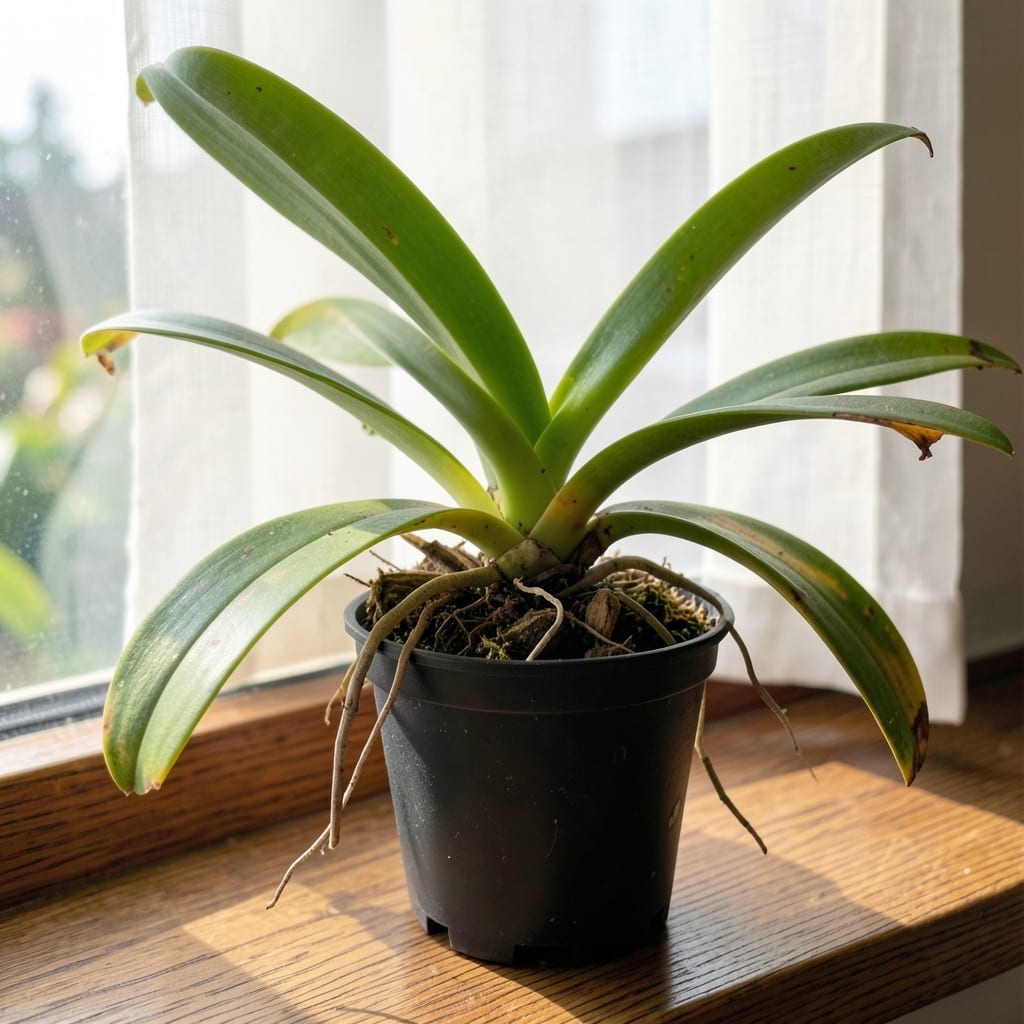
Yellow leaves on your orchid aren’t a death sentence. 🌿 I’ve saved countless orchids from this exact issue, and the fix is often simpler than you think—just requires knowing where to look.
The culprit is usually one of three things: too much water, not enough light, or a nutrient imbalance. Most people overwater, assuming more is better, when orchids actually thrive on a bit of neglect between drinks.
You’ll see results within 1-2 weeks once you adjust the care routine. The key is consistency—orchids bounce back fast when conditions are right, but they’ll yellow again just as quickly if you slip up.
Works for phalaenopsis, dendrobium, and most common house orchids. Here’s how to diagnose and fix it for good.
Orchid leaves turn yellow for a variety of reasons, most of which stem from stress or suboptimal growing conditions. Below are the most common causes, explained with actionable insights.
Excess water suffocates orchid roots, preventing oxygen uptake and leading to root rot. When roots decay, they can’t absorb nutrients, causing leaves to yellow. Phalaenopsis and Cattleya orchids are especially sensitive. Use a well-draining mix (e.g., bark, sphagnum moss) and water only when the top inch of the medium is dry.
Orchids thrive in bright, indirect light. Direct sunlight scalds leaves, breaking down chlorophyll (the green pigment) and turning them yellow or brown. Move your orchid to an east-facing window or use a sheer curtain to diffuse light.
Orchids prefer stable temperatures between 65–80°F (18–27°C) during the day. Sudden drops below 50°F (10°C) or exposure to heat sources (e.g., vents, radiators) can trigger leaf yellowing. Avoid drafts and maintain consistent conditions.
A lack of nitrogen, magnesium, or iron disrupts chlorophyll production. Yellowing often starts in older leaves as the plant redistributes nutrients. Use a balanced orchid fertilizer (e.g., 20-20-20) diluted to half-strength every 2–4 weeks during active growth.
Sap-sucking pests like spider mites, mealybugs, or scale weaken orchids by draining nutrients. Check leaf undersides for webbing, sticky residue, or tiny insects. Treat with neem oil or insecticidal soap at the first sign of trouble.
Lower leaves naturally yellow and drop as orchids mature. This is normal if only 1–2 leaves are affected and new growth appears healthy. Simply trim the yellowed leaves at the base with sterilized scissors.
Addressing yellowing orchid leaves starts with identifying the root cause. Below are practical fixes for the most common issues, along with prevention tips to keep your plant thriving.
If soggy soil or root rot is the culprit, stop watering immediately and let the potting mix dry out completely. Repot the orchid in fresh, well-draining bark-based mix if the roots are mushy or black. Water only when the top inch of the mix feels dry. Prevention tip: 💡 Use a clear pot with drainage holes and water in the morning to allow excess moisture to evaporate.
Move your orchid to a spot with bright, indirect light, like an east-facing window. If leaves appear sunburnt (yellow with brown patches), use a sheer curtain to filter harsh rays. Prevention tip: 🌡️ Rotate the plant weekly for even light exposure and avoid direct afternoon sun.
Yellow leaves from insufficient light mean your orchid needs more. Place it near a south- or west-facing window (but not in direct sun) or supplement with a grow light for 12–14 hours daily. Prevention tip: ✨ Monitor leaf color—healthy orchids have vibrant green leaves, not pale or yellowing ones.
Use a balanced, water-soluble orchid fertilizer (20-20-20) diluted to half strength. Feed every 2–4 weeks during active growth (spring/summer) and reduce to monthly in fall/winter. Prevention tip: 🎯 Flush the potting mix with water every few months to prevent salt buildup from fertilizers.
For spider mites, mealybugs, or scale, isolate the plant and wipe leaves with a cotton ball dipped in rubbing alcohol (70%). For severe cases, use neem oil or insecticidal soap, following label instructions. Prevention tip: 🔍 Inspect leaves weekly and keep humidity levels between 40–70% to deter pests.
If lower leaves yellow as part of the natural lifecycle, simply trim them off with sterilized scissors. Focus on maintaining healthy roots and new growth. Prevention tip: 🌿 Ensure consistent care to support new leaf growth and replace older ones.
Water only when the top 1 inch of potting mix feels dry, typically every 7-10 days. Overwatering is the most common cause of yellow leaves, so err on the side of underwatering.
No, once leaves turn yellow they won’t recover. However, adjusting care will prevent new leaves from yellowing. Remove damaged leaves with sterilized scissors to redirect energy to healthy growth.
Bright, indirect light is ideal. East-facing windows are perfect, while south/west windows need a sheer curtain. Leaves should be vibrant green, not pale or sunburnt.
Natural yellowing affects only 1-2 lower leaves at a time, with new growth staying green. If multiple leaves yellow rapidly, it’s likely a care issue, not aging.